
List of Education Projects
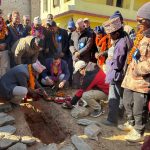
Shree Kalika Secondary School
Shree Kalika Secondary School is located in Bagchaur Municipality in Salyan District and is the only secondary school serving the surrounding communities. The school provides education to 290 children from nearby villages and plays a vital role in ensuring access to learning in this rural area. It is named after the historic Kalika Temple located close to the village, an...[ read more ]
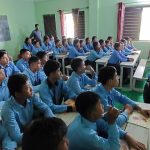
Digital Education in Madhesh Province
Chay Ya Nepal is implementing the Digital Education in Madhesh Province project in collaboration with the Ministry of Education and Culture, Madhesh Province, to improve the quality of education in public schools through the integration of digital technology. The project is being implemented in 19 public schools across Jaleshwor, Mithila, and Chandrapur Municipalities, where limited access to modern learning tools...[ read more ]
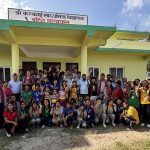
Deaf Hostel Extension – Shree Kankai Secondary School
Surunga is a growing commercial center in Jhapa District, located in Koshi Province in southeastern Nepal. The town is home to Shree Kankai Secondary School, which provides education for both hearing and hearing-impaired children, along with a residential hostel for deaf and hard-of-hearing students. At the beginning of the project, the hostel accommodated 80 students aged 8 to 16 years...[ read more ]
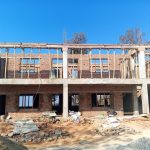
Shree Thulochaur Secondary School
In the rural community of Jwalamukhi in Bagmati province, there is only one government school, the Shree Thulochaur Secondary School, the oldest school in the village with little light and an outdated building structure. The severe earthquake in 2015 also destroyed or damaged classrooms in Jwalamukhi, and lessons had to be held under the roof of a CGI slab in...[ read more ]
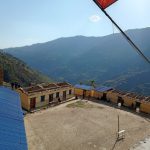
Shree Nepal Rastriya Secondary School
Shree Nepal Rastriya Secondary School in Kuse, Jajarkot, suffered considerable structural damage as a result of the earthquake in November 2023. The current buildings are unusable for teaching, as some of them are no longer safe and could collapse at any moment. More than 300 students are enrolled at the school. The damage therefore affects the educational opportunities of a...[ read more ]
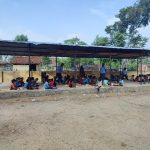
Shree Shankar Basic School
Bhediyahi village is home to approximately 919 households, with a total population of nearly 5,000 residents. According to the municipality’s records, the population is comprised of approximately 20 % Brahmin and Muslim communities, 60 % Dalit (the so-called untouchables), and 20 % Janajati groups. A significant portion of these communities have historically faced social and economic marginalization. Shree Shankar Basic...[ read more ]
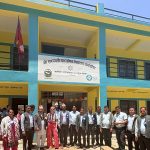
Shree Saraswati Secondary School
There is only one secondary school in the village of Armadanda, the Shree Saraswati Secondary School. It was originally run from kindergarten (ECD = Early Childhood Development) to year 12 in five buildings (one RCC building and four other buildings made of drywall), which only offered limited space for the students. However, after the severe earthquake of magnitude 6.4 on...[ read more ]
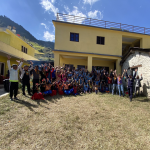
Shree Nepal Rastriya Inclusive School
Together with many supporters, we built a blind hostel for children with visual impairments on the grounds of the Shree Nepal Rastriya Inclusive School. Since spring 2022, 20 children have been living there and are attending the school. The Basic School comprises the grades from kindergarten to 6th grade (i.e. 7 grades in total) and is attended by about 90...[ read more ]
Carnevali Technical School
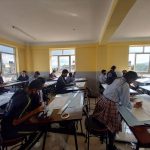
Carnevali Technical School is located on the top floor of Dhrubatara Secondary School. Four classrooms were specially built and equipped to prepare 40 high school students from grades 9-12 for technical professions. Thus, there is a chemistry lab, a physics lab, a computer lab and a drawing room, which have been equipped with furniture, projectors and digital boards. This allows...[ read more ]
Shree Secondary School, Kalakhola Dang
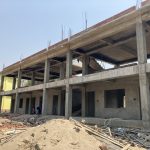
The Shree Secondary School (SSSK) in Kalakhola consists of several buildings with a total of 26 classrooms. There are currently 926 students attending the school, from kindergarten to grade 11. They are between 3 and 25 years old (some students started education late or had to take a break and are therefore older). The SSSK is located on the same...[ read more ]
List of Health Projects
Mahadev Health Post And Birthing Station
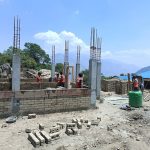
At the inauguration of Shree Mahadev Basic School, we were struck by how small and weak many of the children appeared. And no wonder, as statistically 47.8 % of children under the age of five in Karnali district are stunted and 37.4 % are underweight! In addition, the lack of accessible and adequate health facilities (6 hours by jeep, 12...[ read more ]
Dagmara Community Health Unit
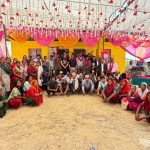
Rajpur borders India to the south and Banke District to the west. The Rapti river forms the northern border of the municipality. A high percentage (45 %) of Dalit (the so-called untouchables) live here. Although there already was a Community Health Unit in Dagmara, it was very small and didn’t have any rooms to admit inpatients. Therefore, severe cases couldn’t...[ read more ]
Nepal TeleHealth Connect
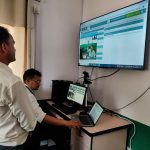
In the remote province of Karnali, one of the least developed regions of Nepal, there is an urgent need for better medical care. With a high poverty rate, limited educational opportunities and poor health services, the province faces major challenges. Despite the efforts of the government and NGOs, the difficult terrain and inadequate transportation infrastructure continue to hinder progress. Chay...[ read more ]
Kalaiya Blood Bank
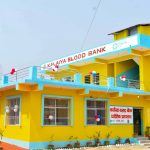
Kalaiya Provincial Hospital is the oldest hospital in Kalaiya Sub-metropolitan city. It is equipped to provide orthopedics, general surgery, prenatal and postnatal care etc. All together 6 MD (Master) doctors and 11 MBBS (Bachelor) doctors are available to serve patients of all age groups. Approximately 250 patients visit the hospital per day. The hospital is run by the government, and...[ read more ]
Basic Health Service Center
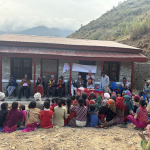
Mugu District is one of the most remote and economically disadvantaged areas in Nepal, located in the northwestern part of the country. Within Mugu District, Soru Rural Municipality stands as a significant administrative unit, playing a crucial role in addressing the needs of its residents. One of the pressing issues faced by women in this region was limited access to...[ read more ]
Limi Health Post And Birthing Station
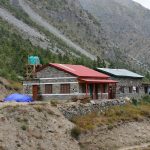
The region of Namkha, where Limi Valley is located, does not have a working health facility. There is one single state health post which is never occupied. Long distances and a lack of alternatives make it impossible for the local population to seek professional medical assistance for medical check-ups, emergency situations and births. Therefore, Chay Ya, in cooperation with the...[ read more ]
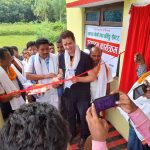
Health Post And Maternity Ward
In Birti Prastoka, located in Rautahat, one of the poorest districts of Nepal, there is hardly any medical care for the population. Currently, a small cottage, formerly used to care for animals, serves as a drop-in center for people from the region. There is a shortage of medical equipment and medication and the nearest hospital is 30km away. Through the...[ read more ]
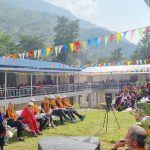
Dharche Community Health Center
In the northern region of Gorkha there is a serious shortage of hospitals, which means that people in the rural communities of Dharche and Tsum Nubri have difficulty accessing health services. Emergencies, women’s health problems, infant mortality, old age and health problems of people with disabilities are a major challenge for these regions and often cannot be adequately treated. The...[ read more ]
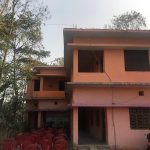
Basantapatti Health Post
The health situation in Rautahat is generally very poor. In Basantapatti, over 60% of the inhabitants are from marginalized communities (such as Dalits and Muslims) who did not have access to appropriate health facilities. The mother-child mortality rate was very high due to the lack of adequate health care. Therefore, Chay Ya, together with the Paroha community, decided to expand...[ read more ]
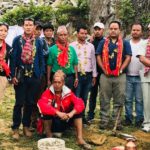
Patlekharka Outreach Clinic
Patlekharka is a five-hour walk from the government health post in Manbu. Patients – especially mothers, children, disabled people, and emergency patients – had difficulties receiving adequate health care in emergency situations due to the remoteness. Patlekharka Outreach Clinic provides free essential medical services, awareness for personal hygiene, changes individual approaches to preventive health care, and helps reduce negative stereotypes...[ read more ]
List of Environment Projects
Waste Segregation And Recycling Center
Urbanization in Nepal has been increasing rapidly, albeit from a low level, especially in the Terai region, where more than half of Nepal´s population live. With an increasing population and changing consumption patterns, waste production is higher than in the past. This requires a modern waste management system with the implementation of strategies for waste prevention, waste treatment and recycling....[ read more ]
Palungtar Solid Waste Management Project
The solid waste treatment, disposal and recycling project is specifically designed to improve waste management in the small town of Palungtar. The current waste system consists of collecting waste from domestic, commercial or institutional facilities and subsequently “disposing” it in pits or landfills. This way, more and more land is polluted by the increasing population and the amount of steadily...[ read more ]
Smriti Brichhya Project
“Smriti Brichhya” is the commemorative tree which is planted in the memory of loved ones or on the special occasion. This concept aims to make people responsible towards conservation of plant by attaching human sentiments with nature. It is the initiatives of youth that aims to promote greenery and combat global climate change.
List of Livelihood Improvement Projects
Organic Model Farm (Lamahi, Dang)
“Seeds of Change: Empowering women and promoting climate resilience in Lamahi, Nepal” is a project that empowers women in the rural community of Lamahi to actively shape the future of their families and their region. In a country where many women have limited opportunities due to traditional role models, this is precisely where we come in. Our project aims to...[ read more ]
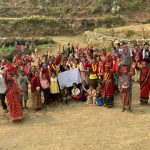
Organic Model Farm (Mulkot, Dang)
Located in the south-west of Nepal at an altitude of only 1,400 m, Mulkot offers the best climatic conditions for a model farm for vegetable cultivation. Many thanks to the Schöck-Familien-Stiftung gGmbH, who are supporting this project. Most of the inhabitants of Mulkot belong to the Magar ethnic group and are characterized by poverty. They survive primarily on subsistence farming,...[ read more ]
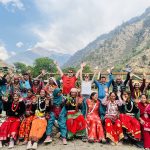
Organic Model Farm (Chhaila, Mugu)
Our largest women’s project so far, in the form of another organic model farm, has begun! It will be established in Mugu, the least developed and most remote district of Nepal. . Educational and medical infrastructure is almost non-existent, about 63 % of the population can neither read nor write, of the women only 9% are fully literate. Child marriage,...[ read more ]
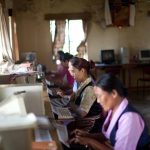
Knowledge for the World
The Asian Legacy Library (ALL) aims to find philosophical, religious and cultural manuscripts in Sanskrit, Tibetan, Pali and Chinese, catalogue them, preserve them and put them online free of charge. Some of the texts are over 2,500 years old and contain the cultural heritage of the great cultures of the East. For this purpose, ALL has created a database where...[ read more ]
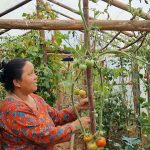
Organic Model Farm (Ghunsa, Solukhumbu)
Together with our partner organisation Roots for Life, we are building a model farm for organic vegetable cultivation in Ghunsa, Solukhumbu, with your donations and the support of the Vorarlberg state government. Here, under the guidance of experts, old things are to be preserved and new things tried out in order to improve the supply situation of the families and...[ read more ]
List of Water, Sanitation and Hygiene Projects
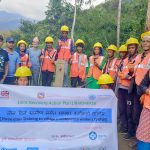
WASH RECOVERY AFTER THE EARTHQUAKE, Jajarkot
Jajarkot District is home to a variety of ethnic groups, including Brahmins, Chhetris, Magars, and Tharus, each contributing to the rich cultural tapestry of the area. It is situated at altitudes ranging from approximately 1,000 to 3,000 meters above sea level and is known for its stunning natural landscapes, traditional agriculture, and reliance on local resources for livelihoods. The community’s...[ read more ]
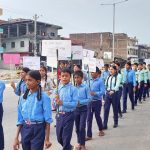
IMPROVEMENT OF WASH-SERVICES, Madhesh Province
Sustainable Development Goal (SDG) #6 prioritizes Water, Sanitation and Hygiene (WASH) through its targets 6.1 and 6.2: visualizing universal, sustainable, and equitable access to safe drinking water, sanitation and hygiene by 2030. SDG #3.8 pictures universal health access to safe, quality and affordable essential WASH services in healthcare facilities. Additionally, SDG #4.a.1 encourages WASH in the school sector through the...[ read more ]
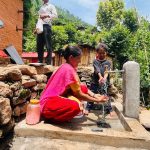
CLIMATE-RESILIENT WASH, Karnali Province
The districts in the North-West of Nepal are some of the least developed in the country. Poor road conditions and inadequate infrastructure hinder the delivery of vital services and humanitarian aid. Additionally, the region is prone to climate-related disasters that disrupt livelihoods and essential services further. On November 3, 2023, an earthquake of the magnitude of 6.4 struck Karnali Province...[ read more ]
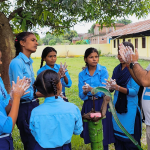
WASH IN SCHOOLS, Madhesh Province
The target of this project were 22 schools of Madhesh Province: eight schools from Baragadhi Rural Municipality, four schools from Jeetpursimara Sub-Metropolitan City (both in District Bara), five schools from Chandrapur and five from Yamunamai Rural Municipality (in District Rautahat). Out of the 22 schools, nine are secondary and 13 basic level schools. During a baseline survey of the schools,...[ read more ]
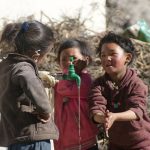
Chharka Bhot, Dolpa DRINKING WATER SUPPLY
Chharka Bhot is an isolated village in the northeastern part of the Dolpo region in Nepal, on the border with Tibet. It is located at 4,300 m, surrounded by a barren landscape. The population lives as semi-nomads and cultivates the fields around the village. Thanks in part to the support of Chay Ya Switzerland, Shree Chharka Bhot Basic School, a...[ read more ]
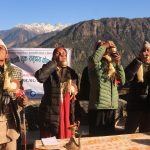
ASSISTANCE FOR DISABILITY-INCLUSIVE WASH IN SCHOOLS
The School Sector Development Plan (SSDP) 2016-2023 highlighted that the lack of disability-friendly WASH facilities is one of the major barriers for children with disabilities to enroll and remain in school. Likewise, the Model School Development and Implementation Directory 2074 of Nepal includes WASH as a key indicator for inclusive schools. School WASH facilities should be child, gender and environment...[ read more ]
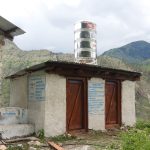
Humla, Mugu & Dolpa TOTAL SANITATION PROMOTION
Humla, Mugu and Dolpa are the northern-most and therefore also most remote districts of Karnali province. The federal structure includes four palikas in Mugu, eight palikas in Dolpa and seven in Humla. All districts of Karnali Province have already declared themselves as ODF (Open Defecation Free) zones, while in a few palikas a full sanitation promotion has been initiated on...[ read more ]
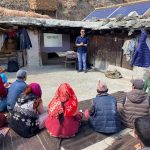
Humla & Dolpa DEVELOPMENT OF A WASH-PLAN
In order to fulfil the obligations enshrined in Nepal’s new constitution to guarantee citizens’ access to clean water and sanitation, and to meet the SDGs (Sustainable Development Goals) and the Sectoral Development Plan, a systematic, long-term plan is required in every Palika. The implementation of WASH services to meet the WASH goals can be based on a WASH plan that...[ read more ]
Municipal Development Plan, Kharpunath Humla
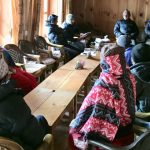
Development plans are a very important prerequisite for all higher and lower local governments in Nepal. The local government must develop comprehensive and integrated development plans and profiles. These are a basic instrument for the implementation of decentralized development programs and services by state and non-state actors at the local level. Chay Ya Nepal worked with the rural community of...[ read more ]
Hygiene Training
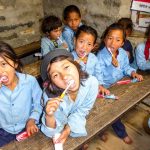
Many of the diseases that occur especially in rural Nepal, such as diarrhea, scabies, or skin infections, are due to the very poor hygienic conditions. Chay Ya has therefore made it its business to offer hygiene training at the same time as health projects. The most important point here is toilets – mothers and fathers of children with diarrhea are...[ read more ]
List of Humanitarian Relief Projects
Flood Relief 2025
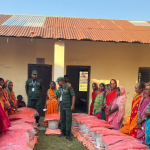
In October 2025, continuous heavy rainfall caused severe flooding across Garuda, Durgabhagwati, and Rajdevi Municipalities in Rautahat District of Madhesh Province. Overflowing rivers and drainage channels submerged homes and farmland, disrupted transportation, and placed significant strain on essential services. Hundreds of families were displaced, and health facilities—particularly those providing maternal and newborn care—faced major disruptions. In response, Chay Ya Nepal...[ read more ]
Rebuilding And Knowledge Transfer
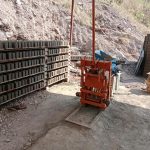
Nepal is one of the world’s most disaster-prone countries. In the last decade, earthquakes and floods have destroyed more than a million homes. This project will focus on west Nepal where 79,000 families are in urgent need of safe houses after the recent earthquake in November 2023. The situation is very challenging. The location is remote, transportation is difficult and...[ read more ]
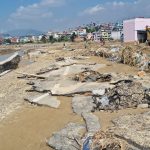
Flood Relief 2024
Summer is monsoon season in Nepal – from June to September, 70 – 80 % of the annual rainfall occurs. Floods and landslides are therefore not uncommon during this time. However, such unrelentless downpours drowning two thirds of the country at the same time is extreme. From 27/09 – 29/09/2024, torrential rains hit Nepal so hard that some areas were...[ read more ]
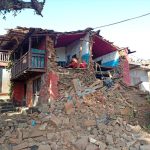
Earthquake Relief, Jajarkot Rukum
On the night of November 3 to 4, 2023, the earth shook in the province of Karnali (magnitude 6.4). Over 150 people died in the districts of Jajarkot and Rukum. Over 8,000 houses were destroyed and thousands of families were left with nothing from one moment to the next. In addition, winter is approaching and the nights are already freezing...[ read more ]
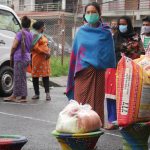
COVID-19 Relief
The year 2020 will be marked by the worldwide spread of the new SARS-CoV-2 virus and the subsequent severe lung disease COVID-19. What originated in China at the turn of 2019/20 spread from Asia to Europe, then to North and South America, Africa, the Arab world and back to the South Asian countries. Already on 11 March 2020 the WHO...[ read more ]
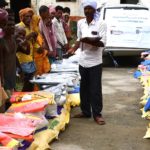
Flood Relief Support 2019
Heavy rainfall in mid July 2019 caused landslides and flooding in 32 Districts across Nepal. Flooding was most severe in 11 Terai districts of Provinces 1 and 2. A large loss of life and damages to assets, housing, water and sanitation infrastructure, food stocks, crop and livestock all have a significant impact on food security in the region. An estimated...[ read more ]
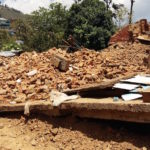
Earthquake Relief
A 7.8 magnitude earthquake triggered on 25 April 2015, followed by many aftershocks caused devastation in mid hills and mountain of Nepal. Almost 9,000 people have been killed, with more than 22,000 people injured. Nearly 800,000 houses have been destroyed or damaged, along with 30,000 classrooms, government offices and heritage sites. Chay Ya operated relief distribution after this devastating earthquake...[ read more ]
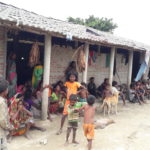
Flood Relief
The incessant rainfall from 11 to 14 August in 2017 caused terrible floods and huge landslides in 31 districts of Nepal. Among them 19 districts were severely affected. As of As of 20 September, there were 160 reported deaths, along with 43,400 destroyed homes and 191,700 others partially damaged. Nearly 21,000 households were still displaced.