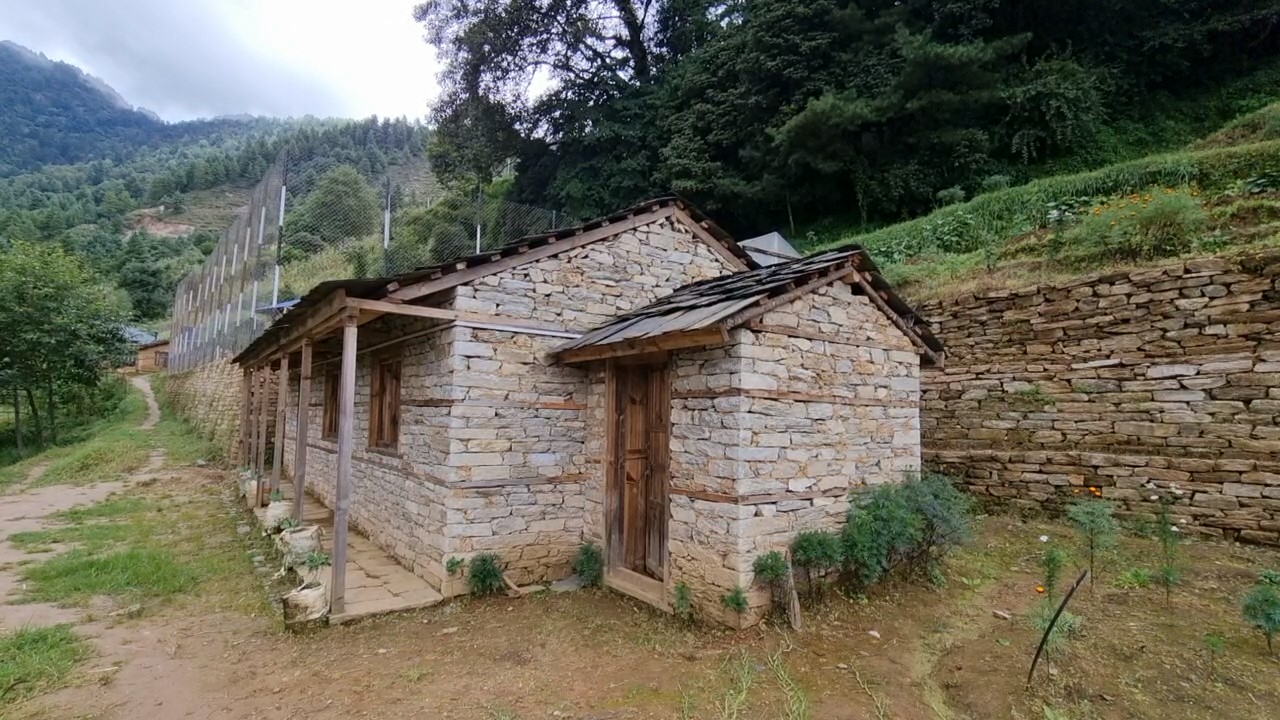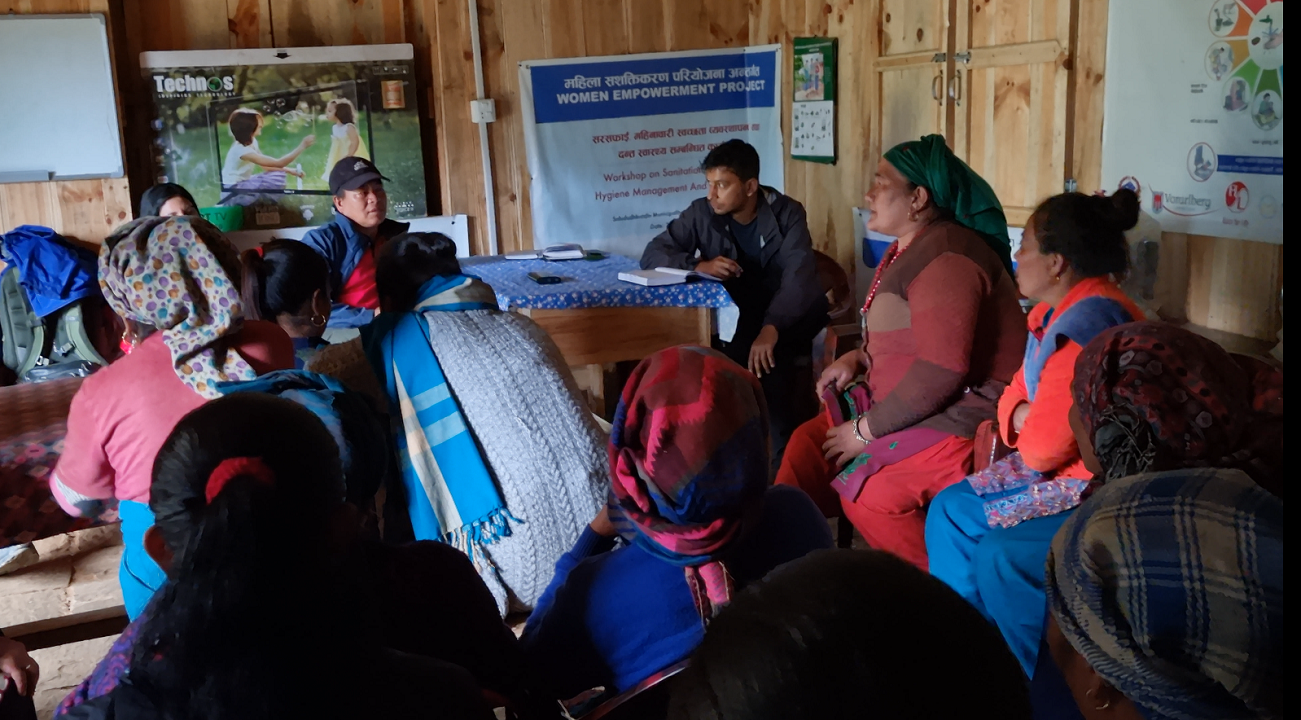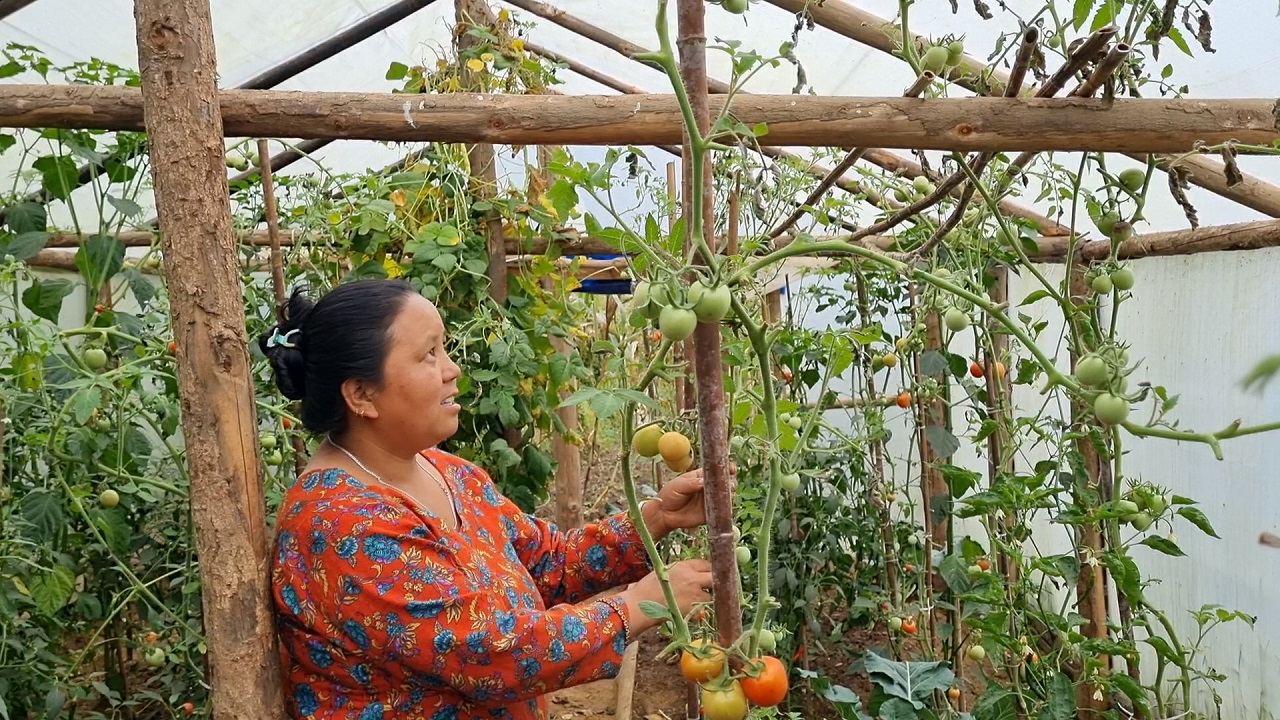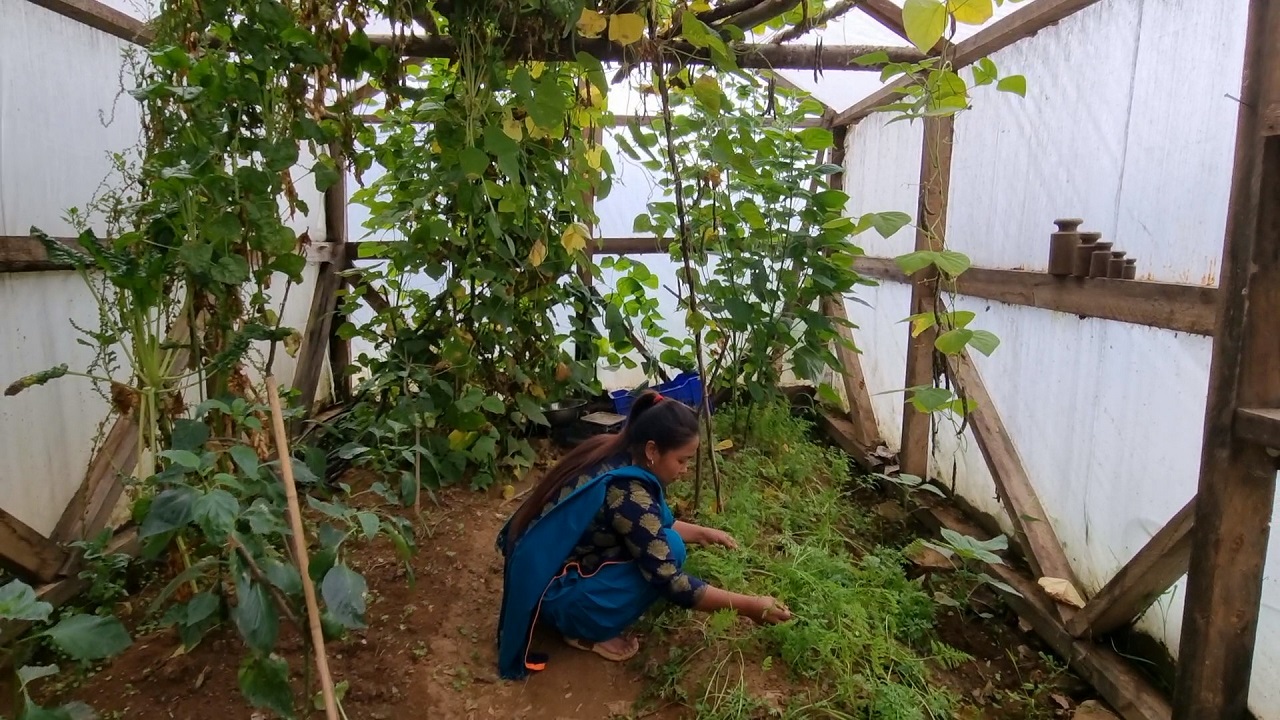
| Project | : | Organic Model Farm (Ghunsa, Solukhumbu) |
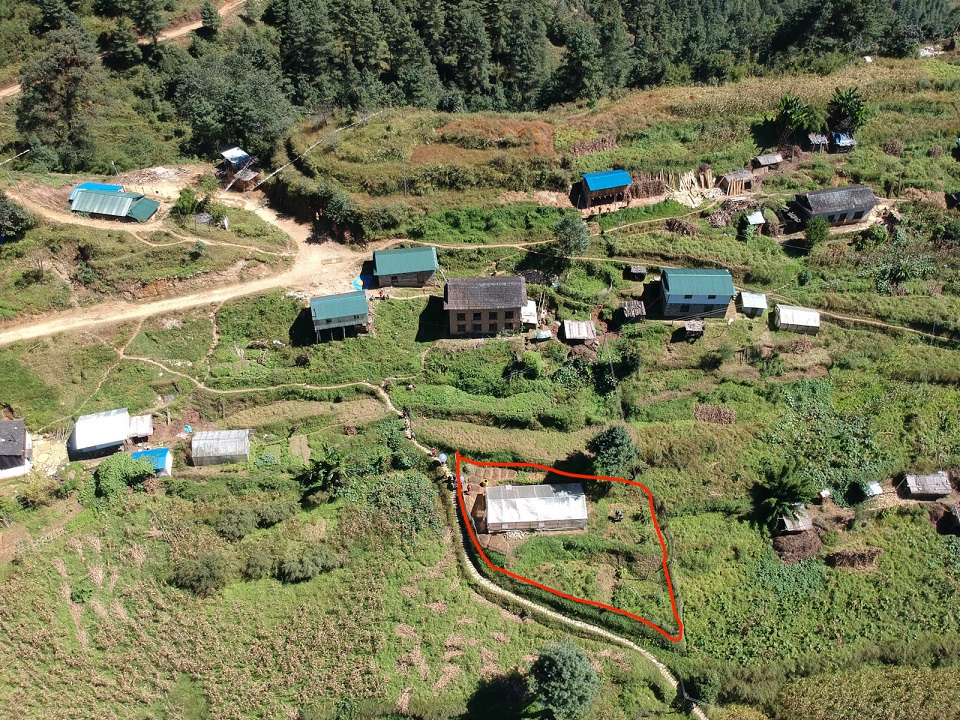
| Location | : | Solu Dhudhkunda Municiplity- ward 5, Ghunsa, Solukhumbu |
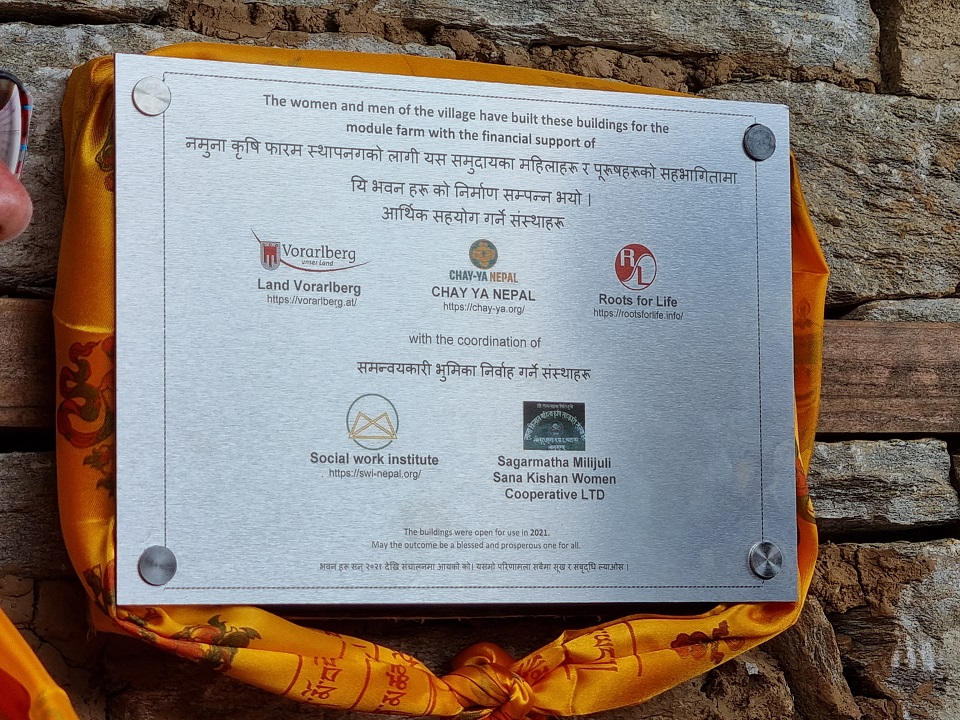
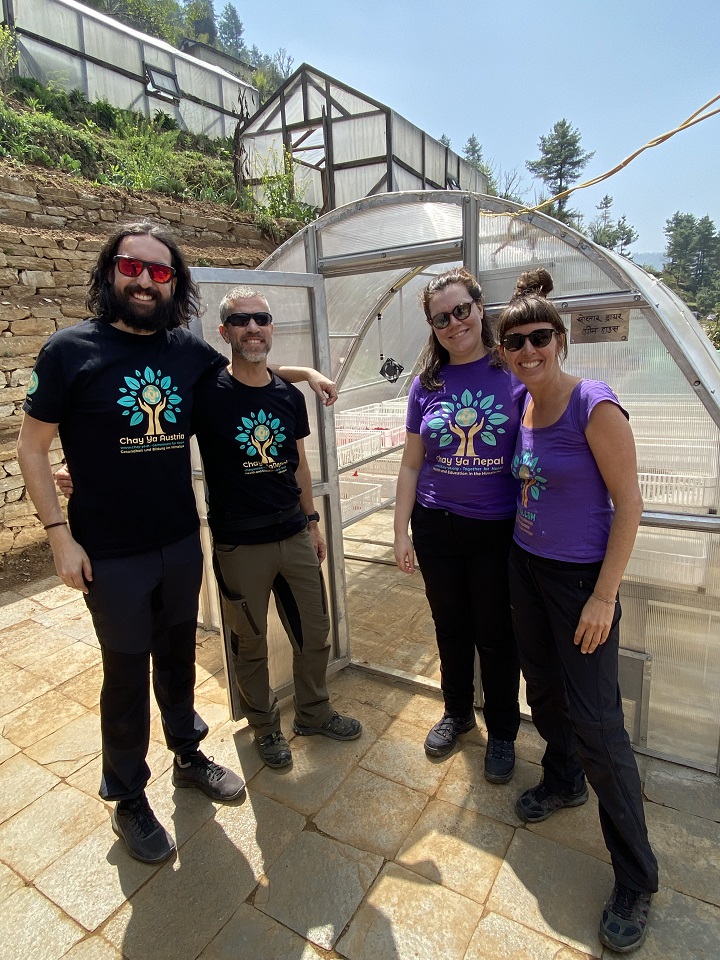
| Project Partners | : | Land Vorarlberg, Roots for Life, Chay Ya Austria |
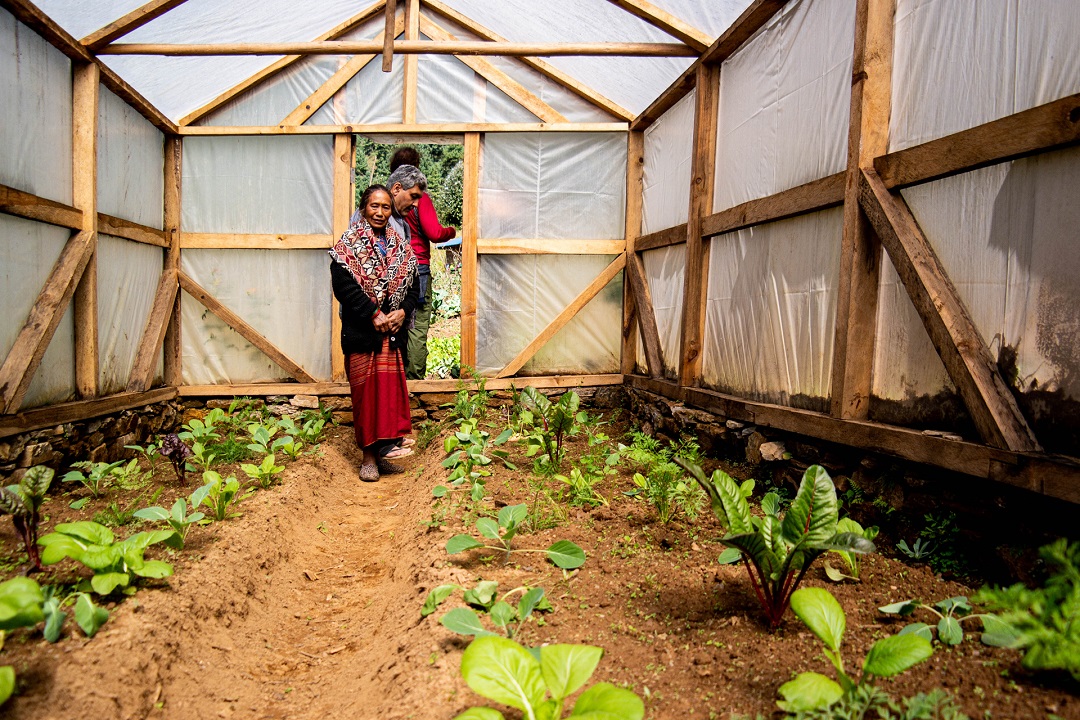
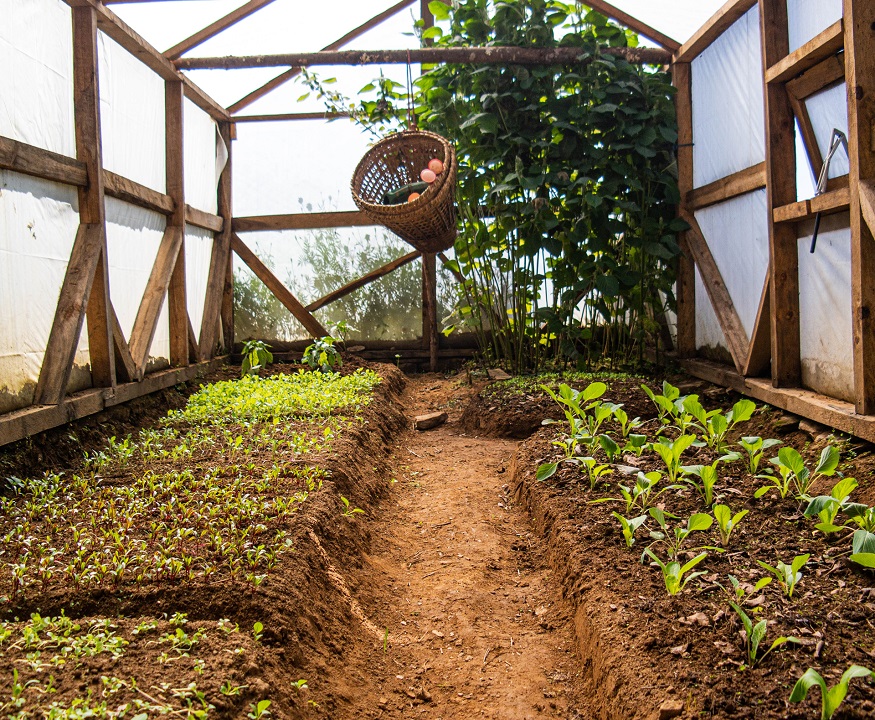
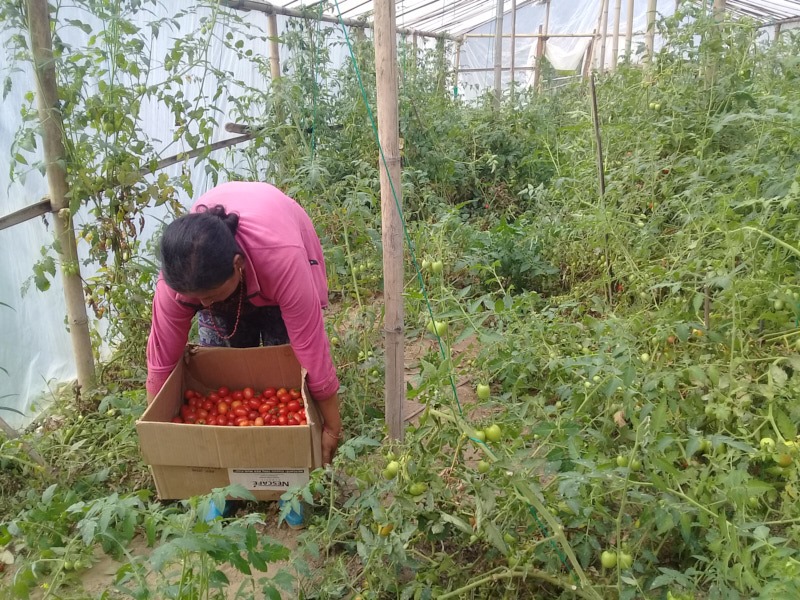
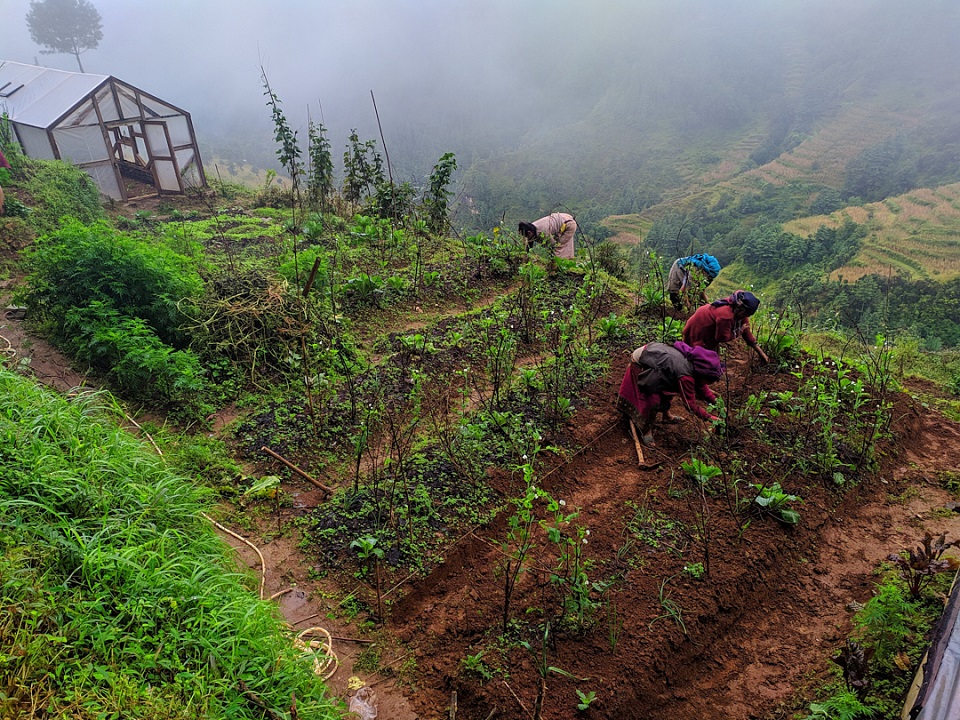
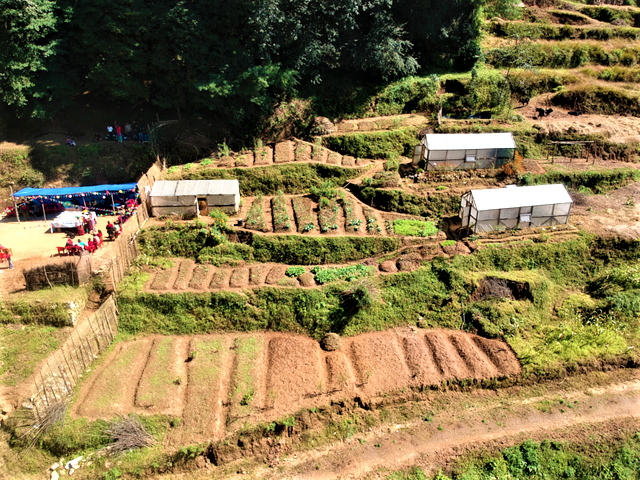
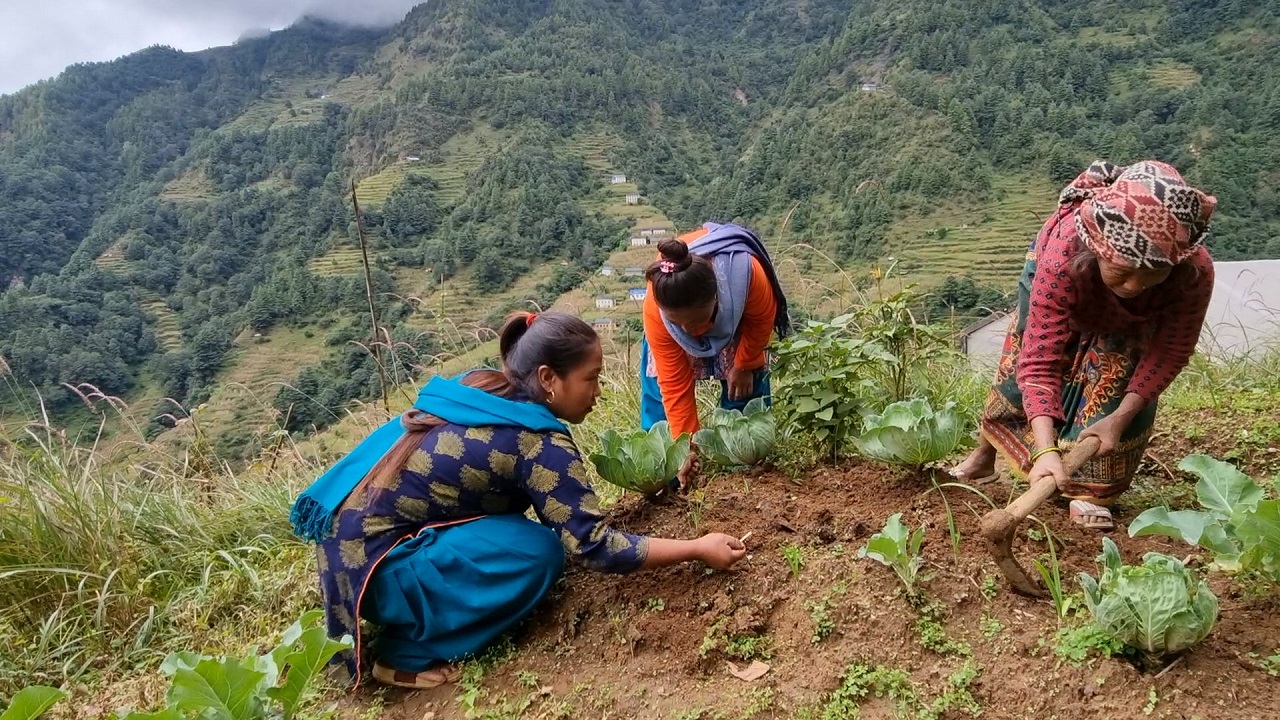
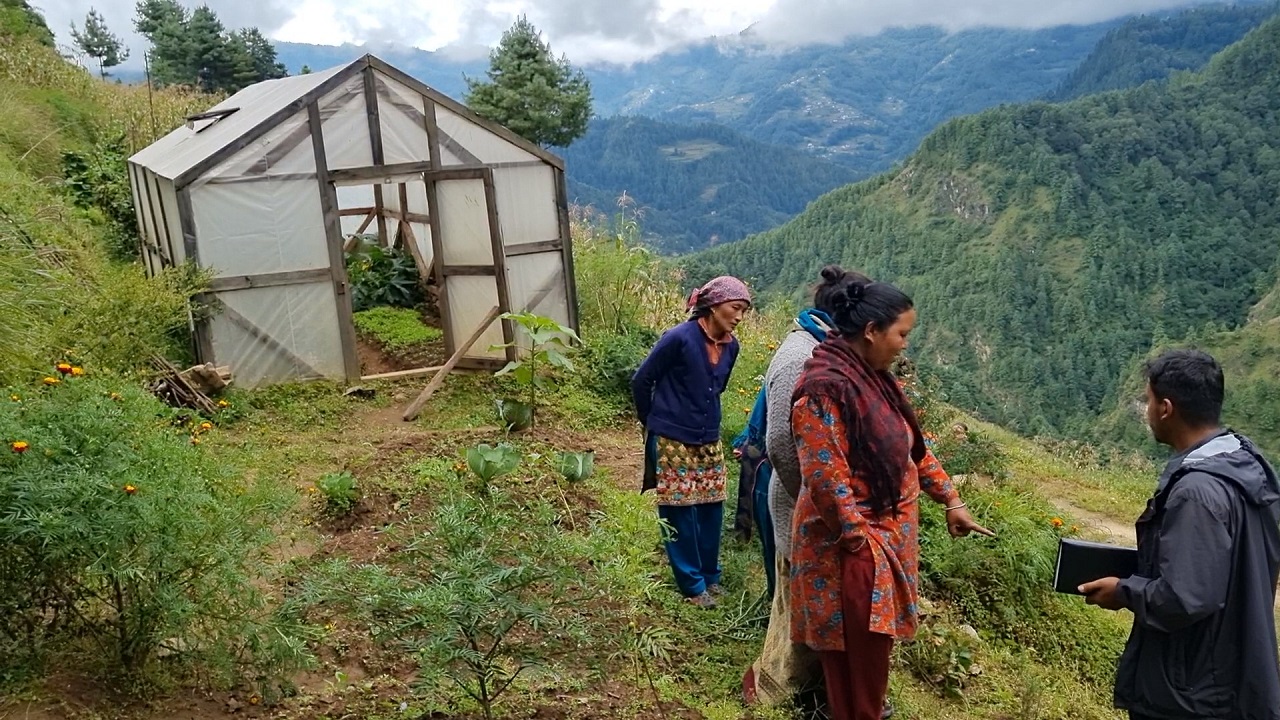
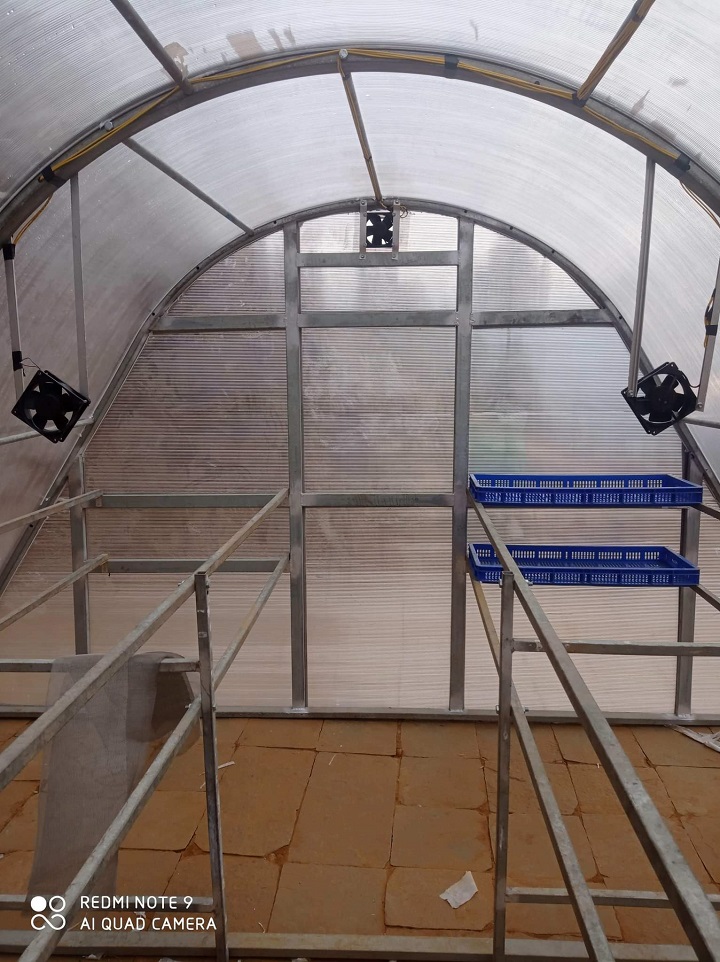
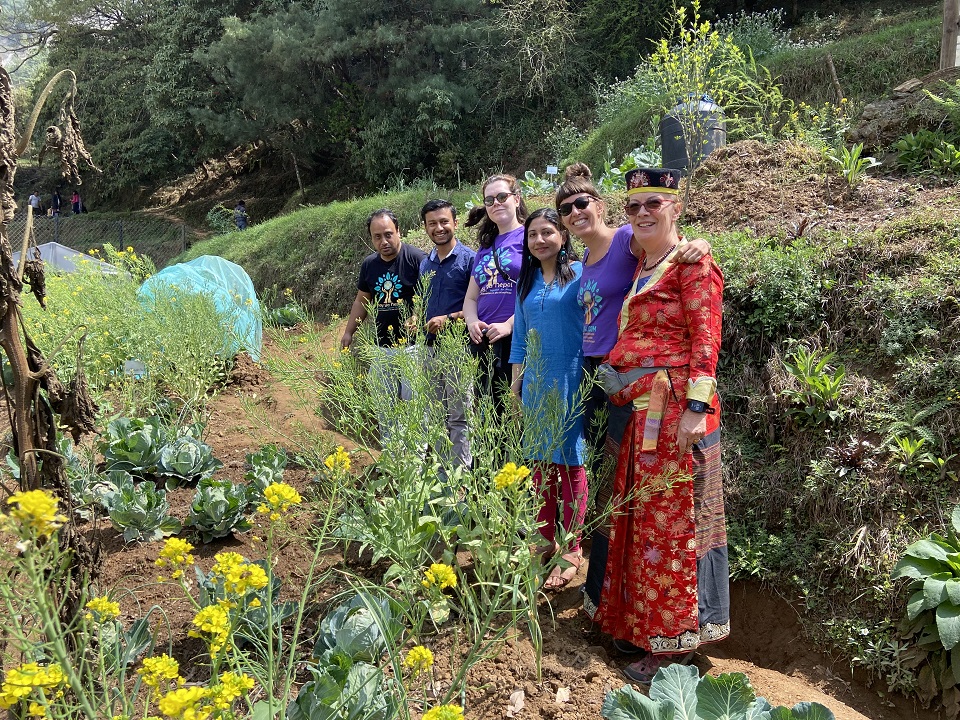
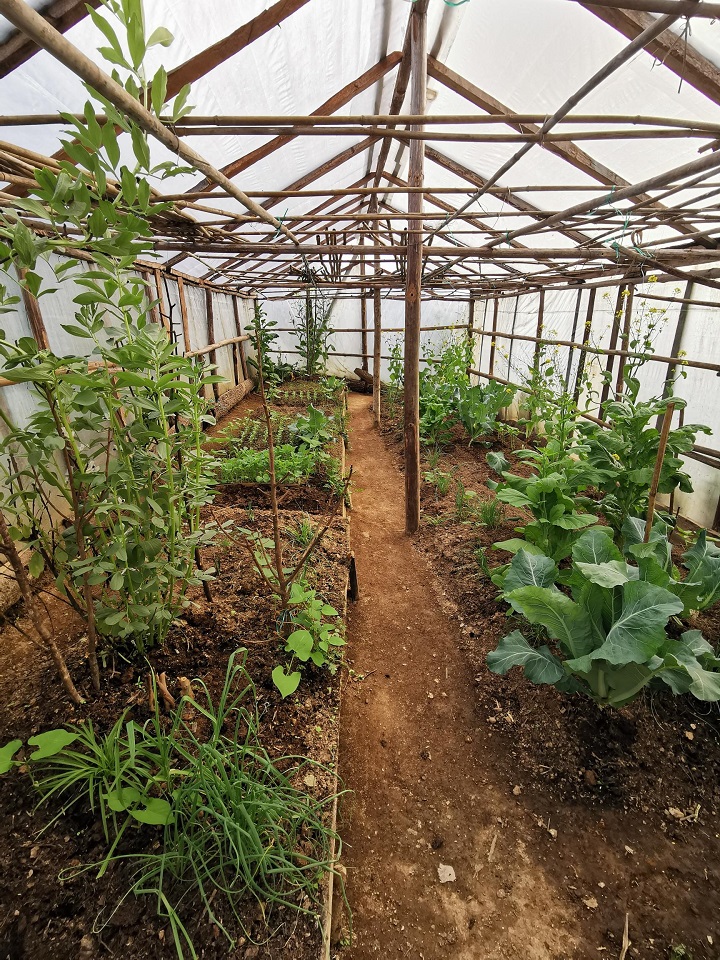
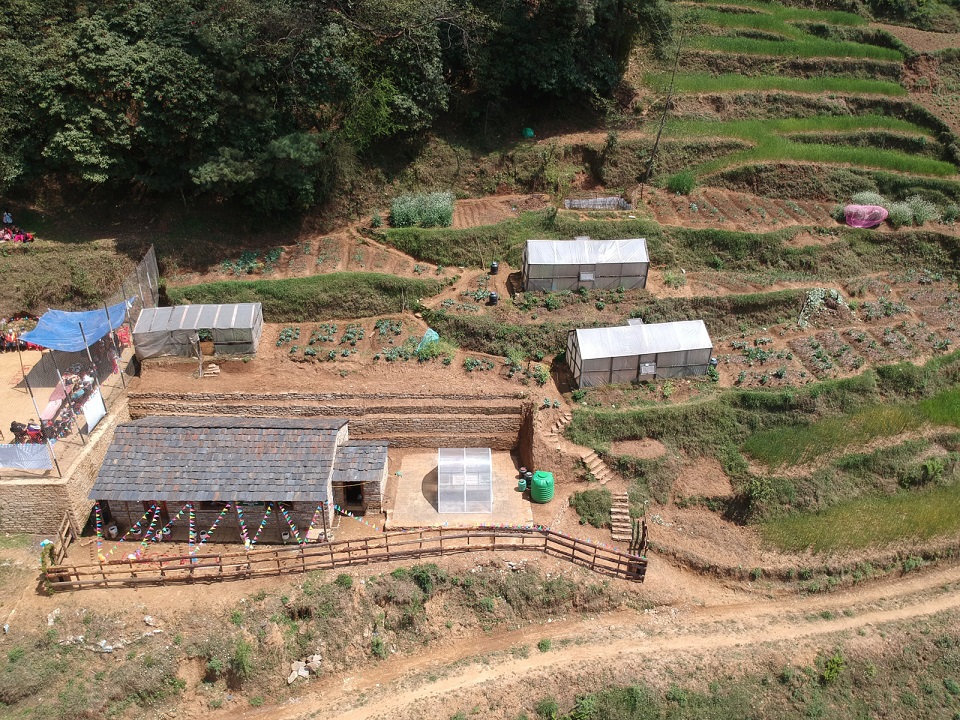
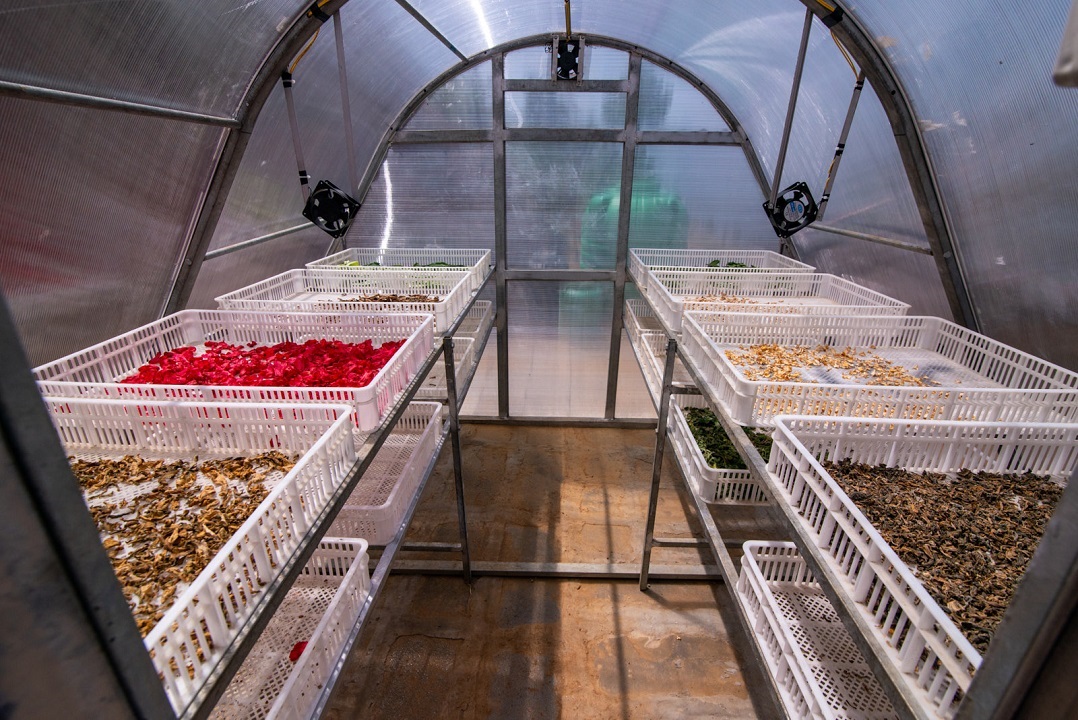
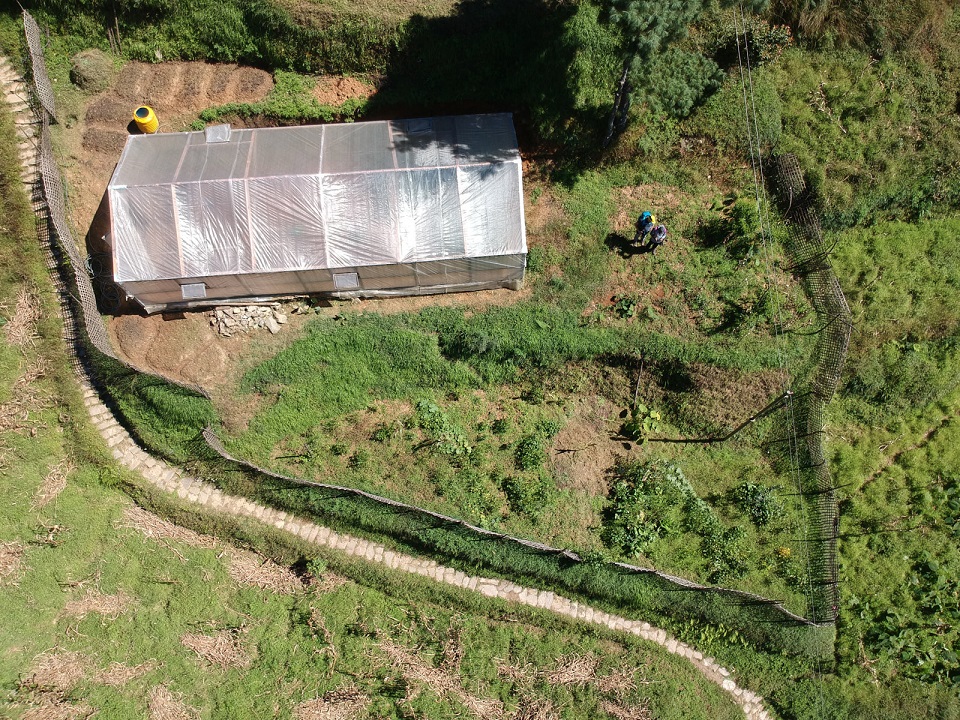
| Project Features | : | The aim of this project is establishment and sustainable operation of a model farm in Ghunsa, which functions as a regional experimental and training laboratory for organic farming, small animal breeding, processing, marketing of organic fruit and vegetables. |
| Construction Modality | : | |
| Support Period | : | 2019 to 2022 |
| Current Status | : | Handed over to the cooperative |
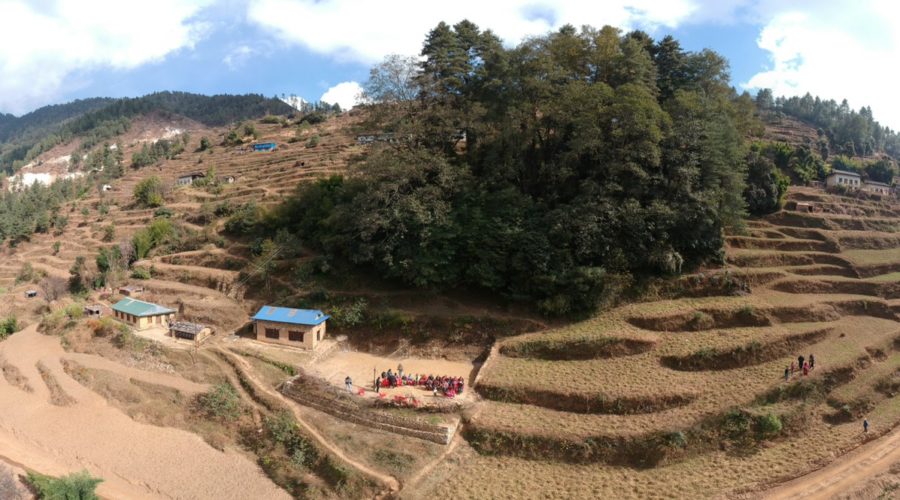
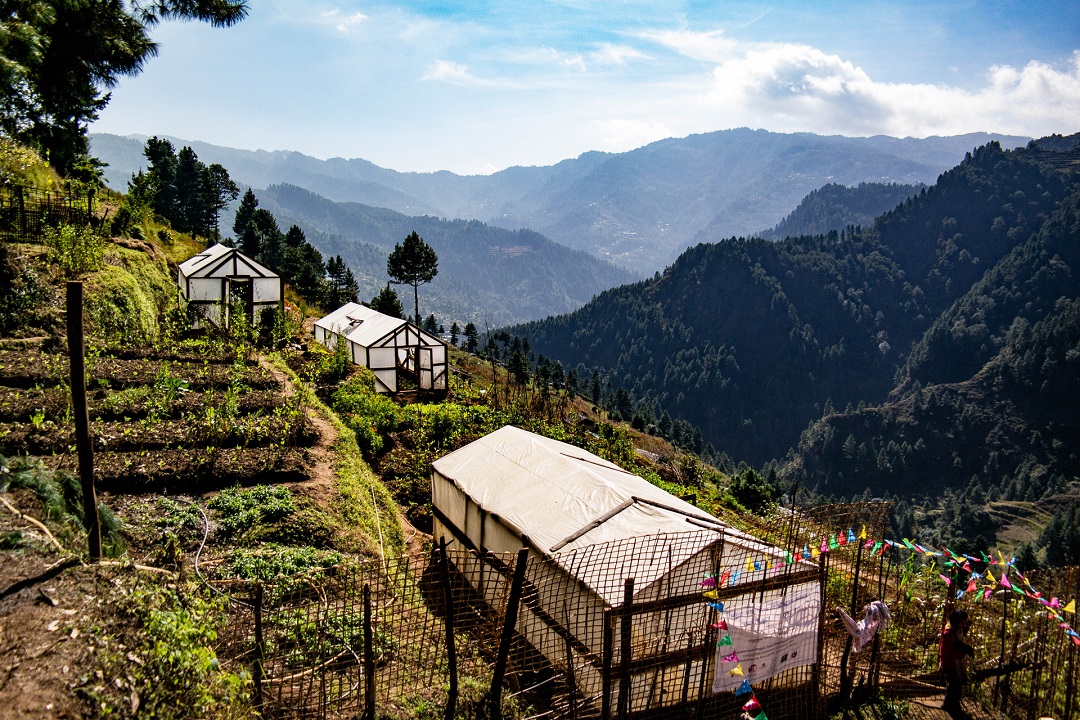
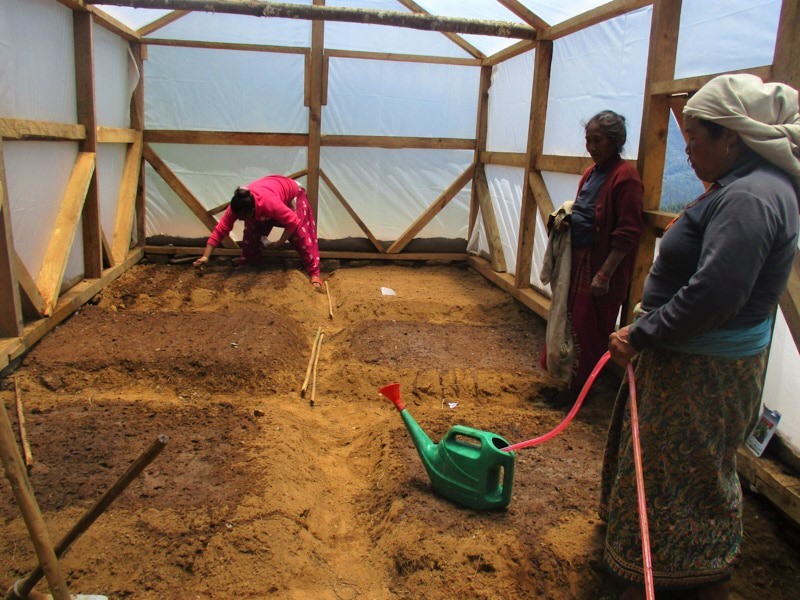
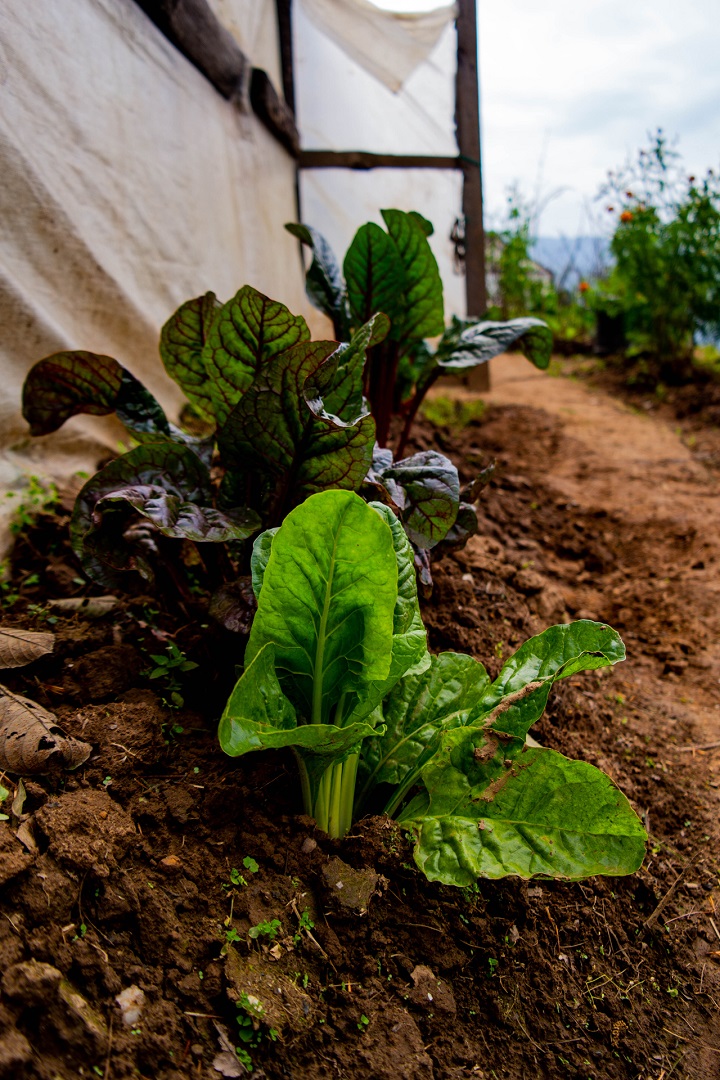
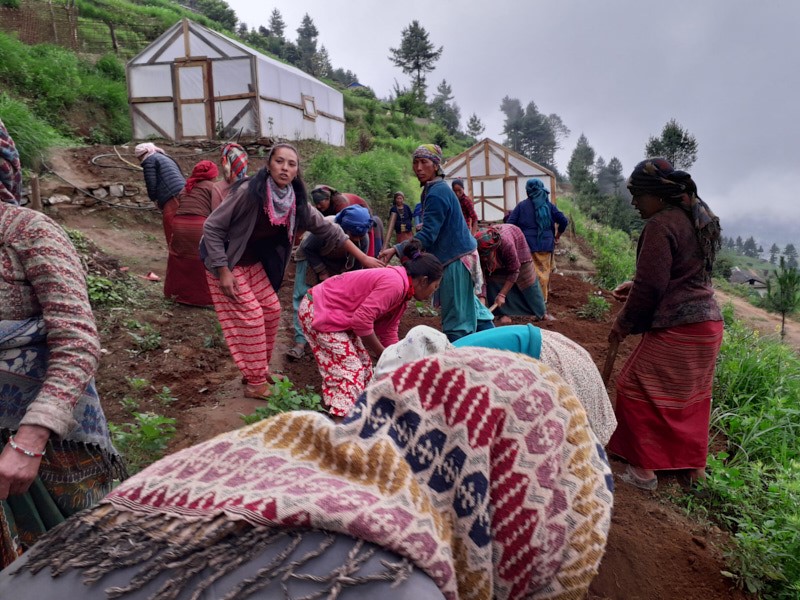
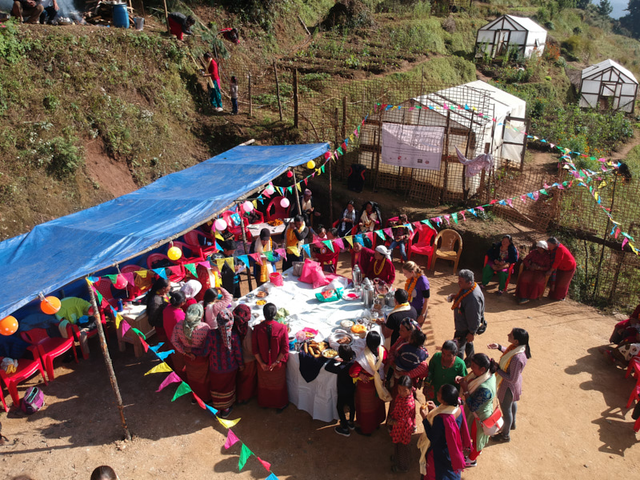
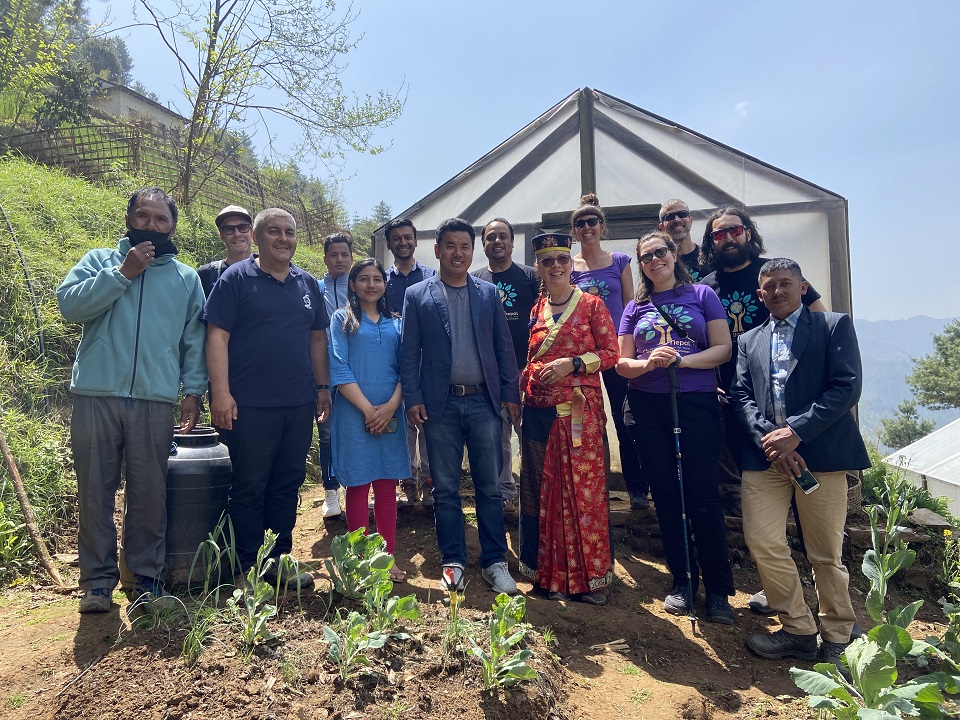
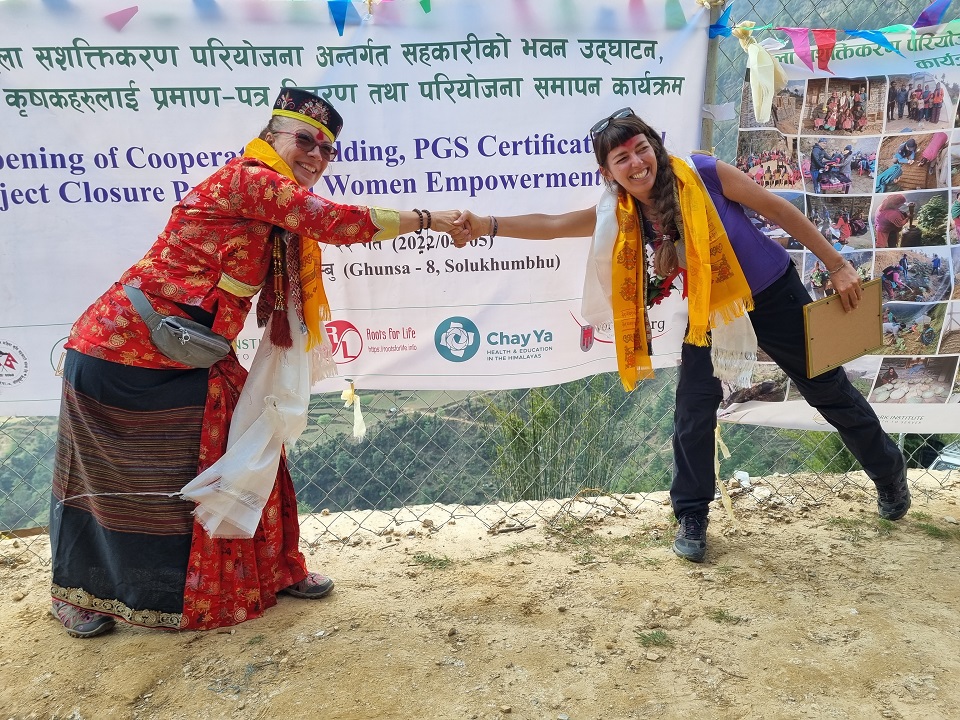
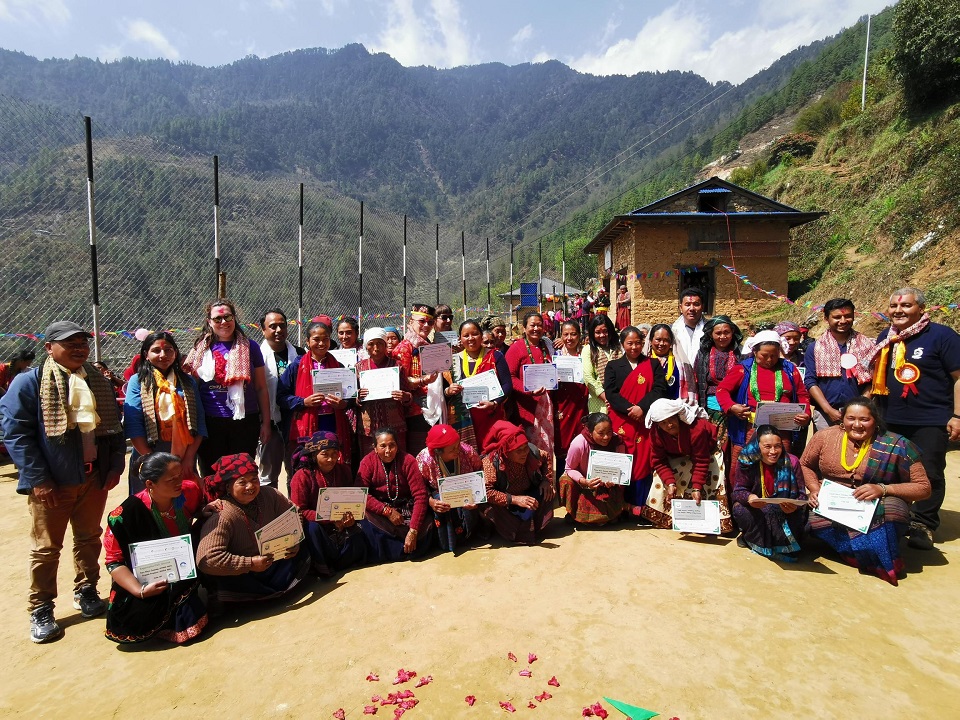
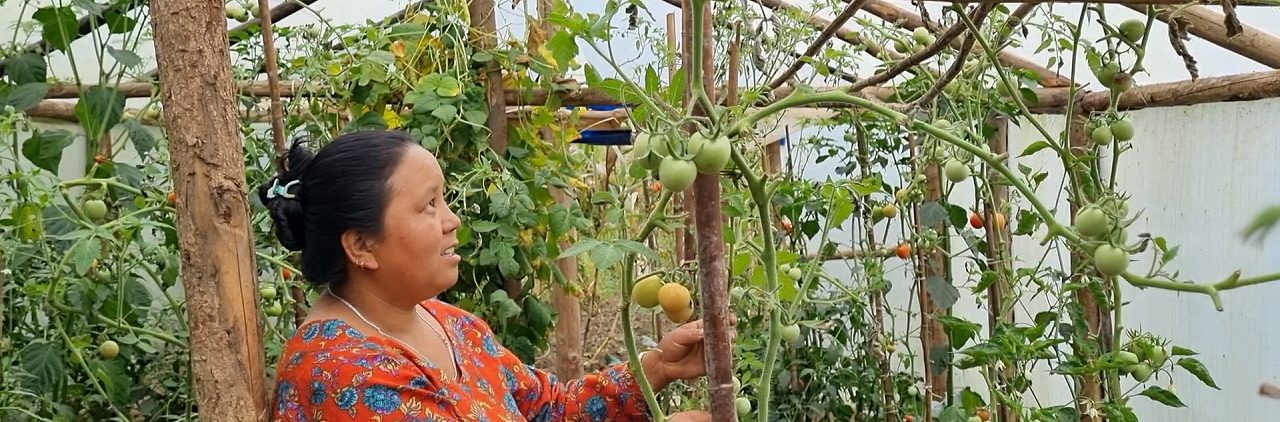
Together with our partner organisation Roots for Life, we are building a model farm for organic vegetable cultivation in Ghunsa, Solukhumbu, with your donations and the support of the Vorarlberg state government. Here, under the guidance of experts, old things are to be preserved and new things tried out in order to improve the supply situation of the families and create new sources of income in the future.
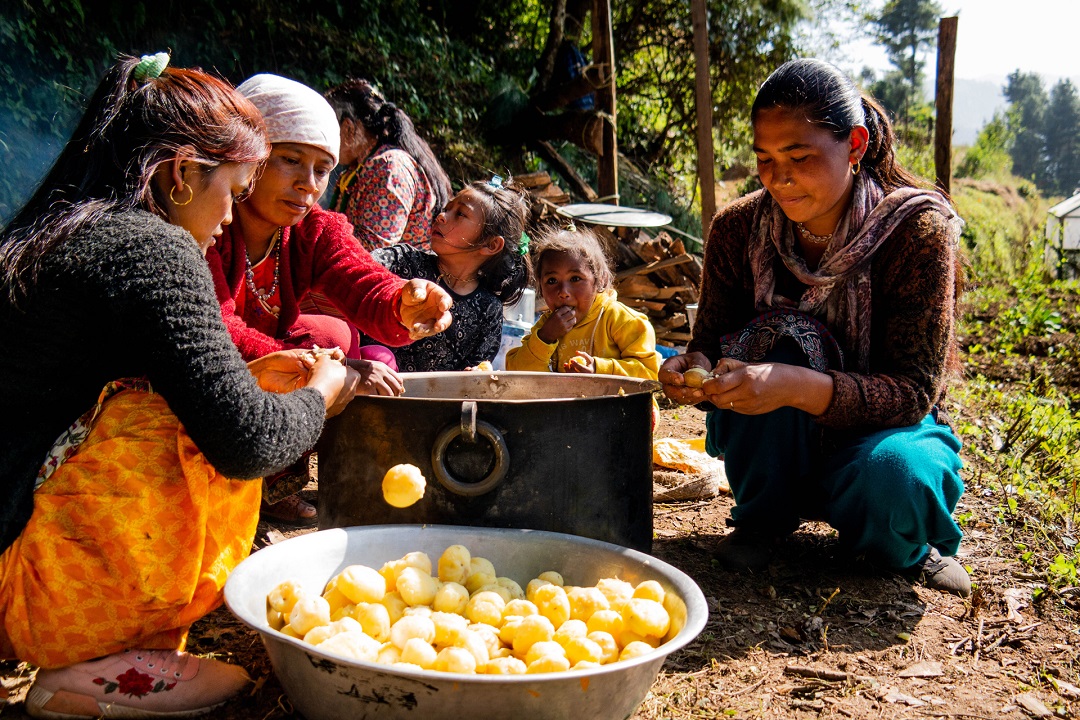
The villages in Solukhumbu (Ghunsa and surrounding villages) suffered considerable damage during the severe earthquakes of 2015. The already precarious food situation was vehemently exacerbated by the emergency situation, and the villagers are still struggling with the consequences. In the traditional patriarchal system in Nepal, women have a lower social status than men, which makes their access to education, medicine, food and income much more difficult. Plus, men are increasingly migrating to the cities or the Gulf states to try to earn money there, while full responsibility for subsistence farming and childcare lies on the shoulders of women.
Our approach: Based on the success story of Chyangsar, we want to build this project on the same principles and use existing synergies in close cooperation with RfL.
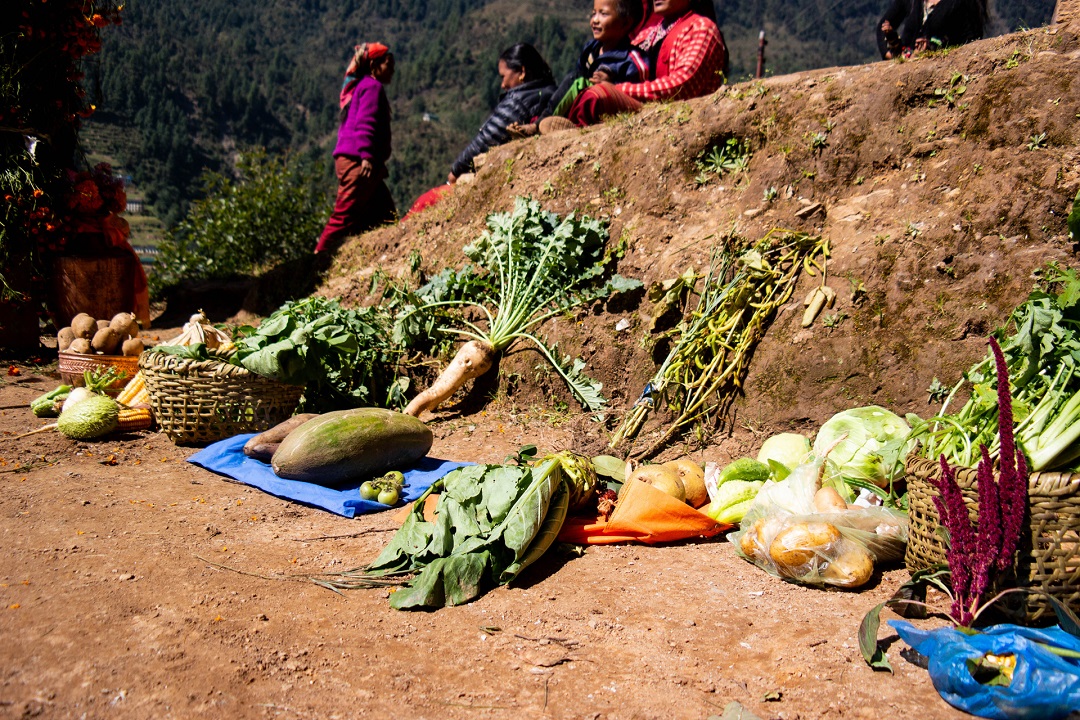
The aim of this project is therefore the establishment and sustainable operation of a model farm in Ghunsa, which functions as a regional test and training laboratory for organic farming, processing and marketing of fruit and vegetables. Apart from the intention of increasing the food security of the local families and of preventing malnutrition of children and adults, we also plan concrete measures to increase the household incomes and the integration of the local women’s group into the regional women’s cooperative, which will ensure the sustainable operation of the model farm even after the end of the project. Our project thus makes an important contribution to strengthening the general resilience (at individual, household and village level) and empowerment of women in the region.
Partners:
Photo Gallery