| Project | : | Shree Kalika Secondary School |
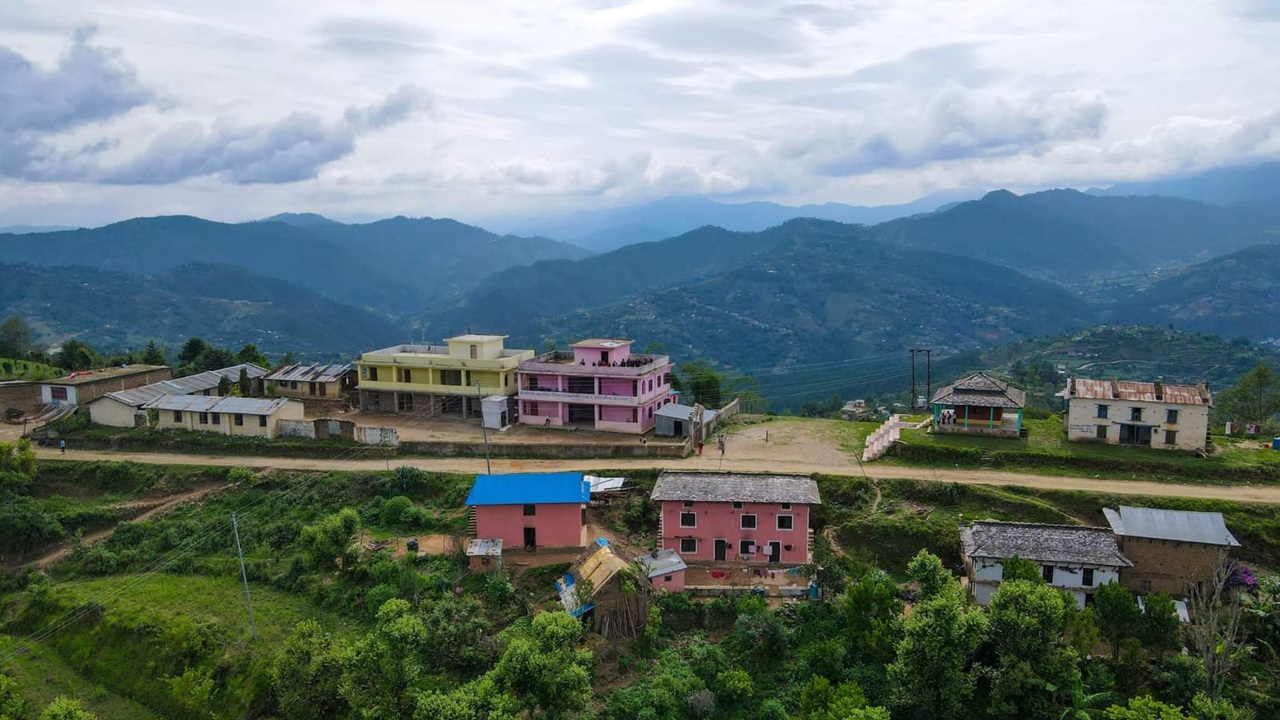
| Location | : | Kotmaula, Ward-8, Bagchaur Municipality, District Salyan |
| Project Partners | : | Chay Ya Liechtenstein, Chay Ya Austria |
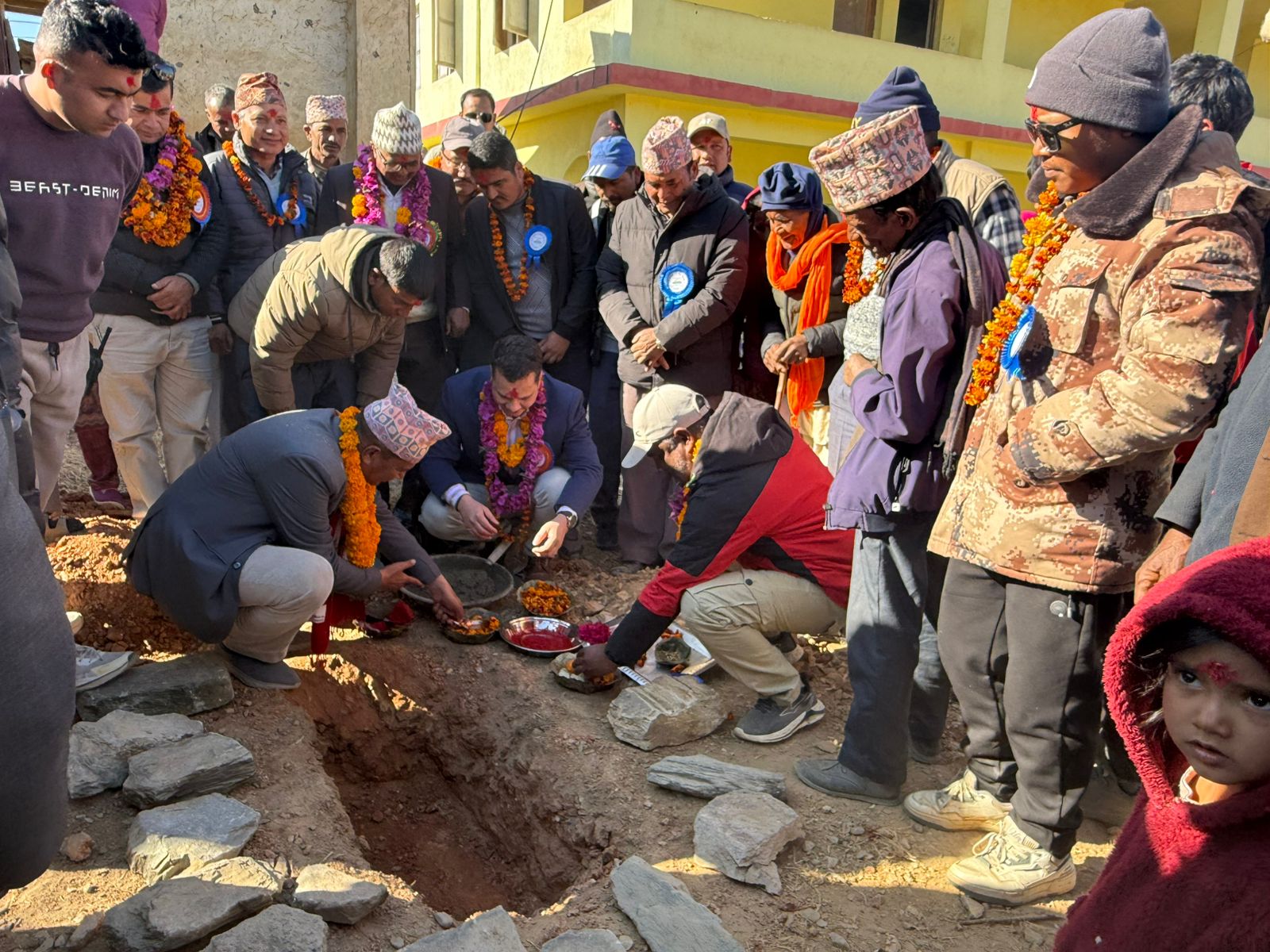
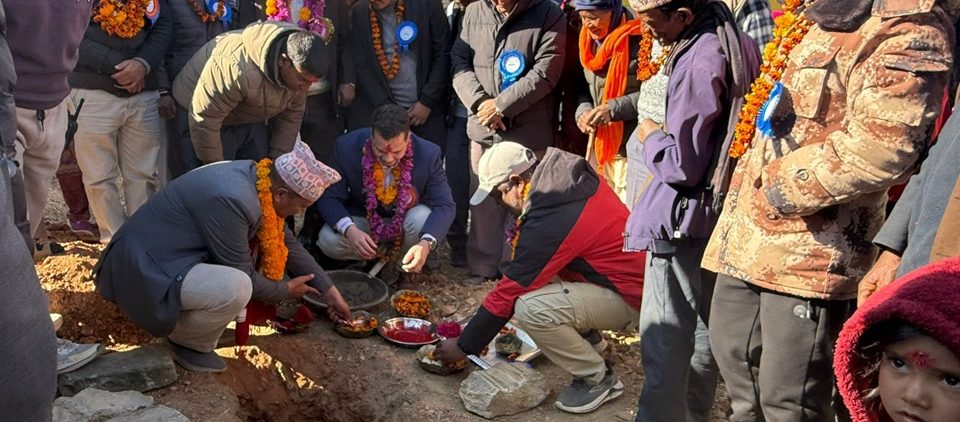
| Project Features | : | Construction of four new classrooms and hygienic toilets for boys and girls to improve the learning environment, ensure student safety, and expand educational opportunities for marginalized communities. |
| Construction Modality | : | The new classrooms will be constructed according to government-approved, earthquake-resistant building standards, ensuring safety and durability. Local stakeholders and authorities will be involved throughout the process. |
| Support Period | : | 2026 |
| Current Status | : | Ongoing |
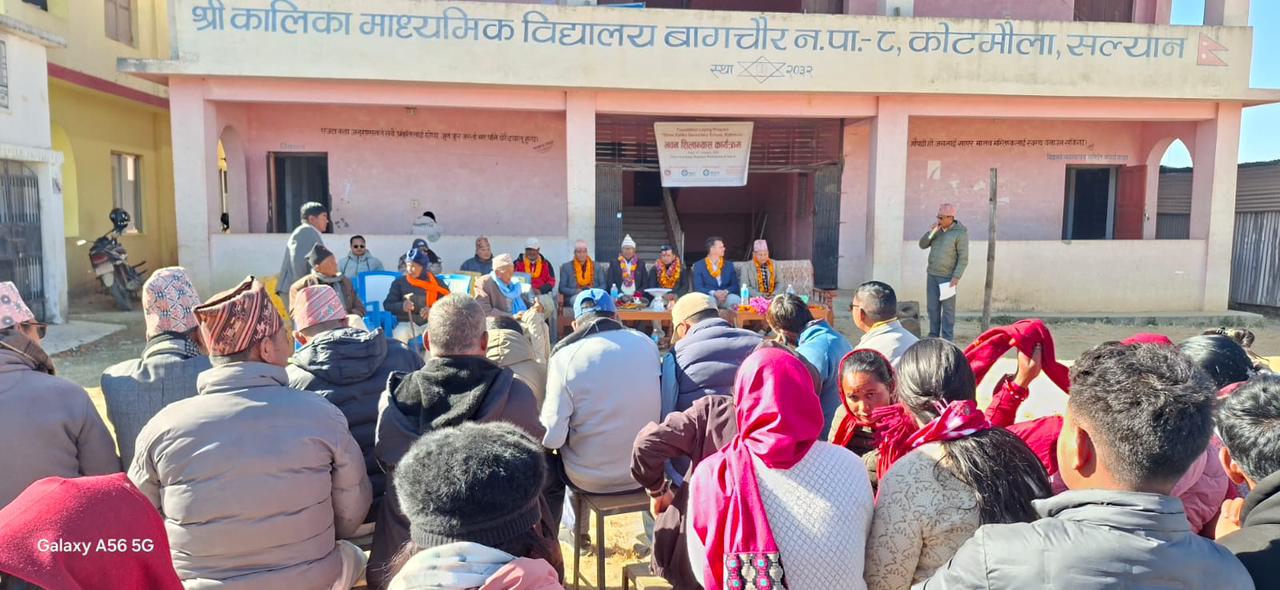
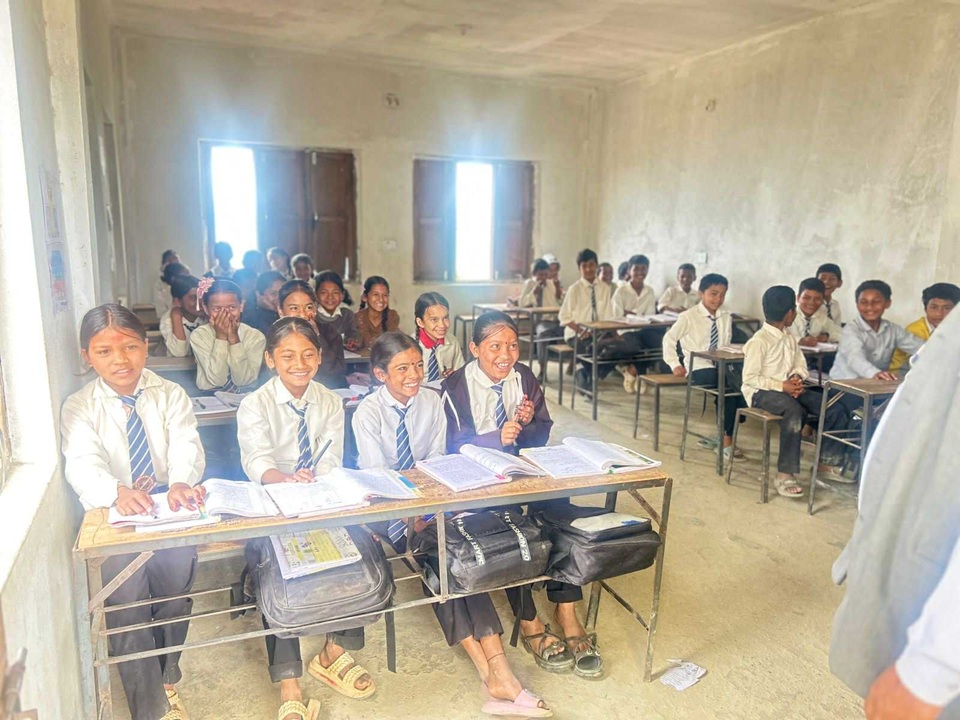
Shree Kalika Secondary School is located in Bagchaur Municipality in Salyan District and is the only secondary school serving the surrounding communities. The school provides education to 290 children from nearby villages and plays a vital role in ensuring access to learning in this rural area. It is named after the historic Kalika Temple located close to the village, an important cultural and religious landmark for the local community. The area is also well known for its orange cultivation, which is a distinctive feature of the region.
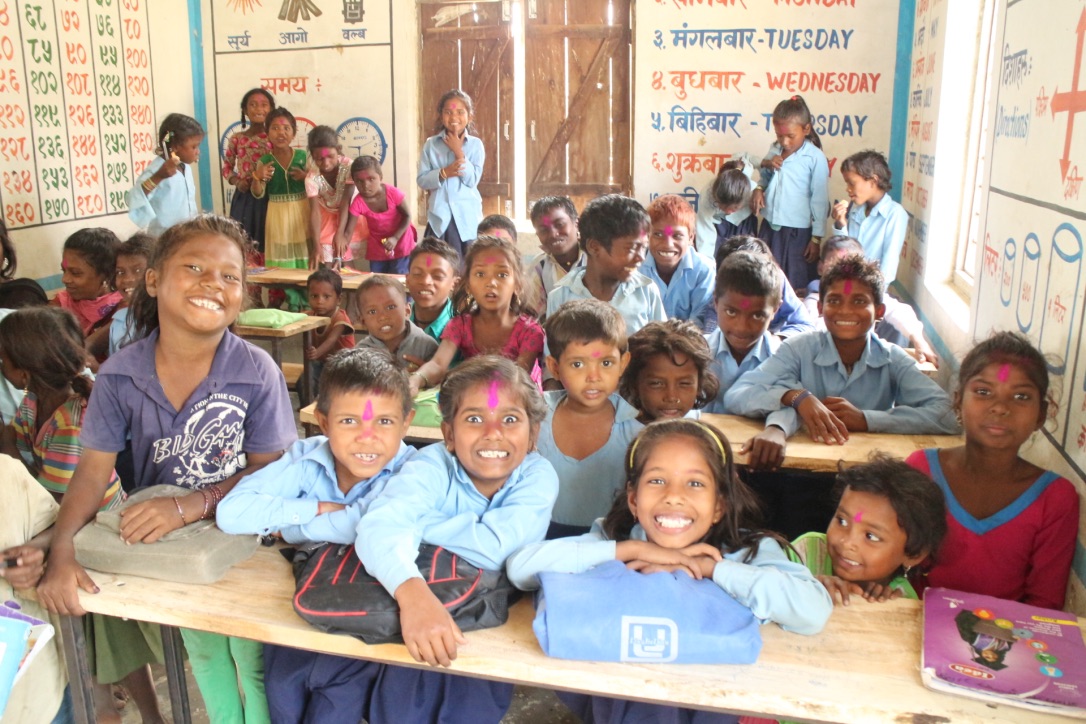
A large proportion of the students come from Dalit communities. These communities have historically faced social exclusion and discrimination and continue to experience limited access to education and opportunities for social and political participation. Access to quality education is therefore essential for empowering these children and promoting greater equality within the community.
The school currently has 18 classrooms, of which 10 are reinforced concrete buildings while the remaining 8 are older structures with tin roofs. Many of these older classrooms are in poor condition, with visible damage, partially collapsed structures, and leaking roofs. To improve the learning environment and ensure the safety of students, the construction of four new classrooms and hygienic sanitation facilities for boys and girls is urgently required.
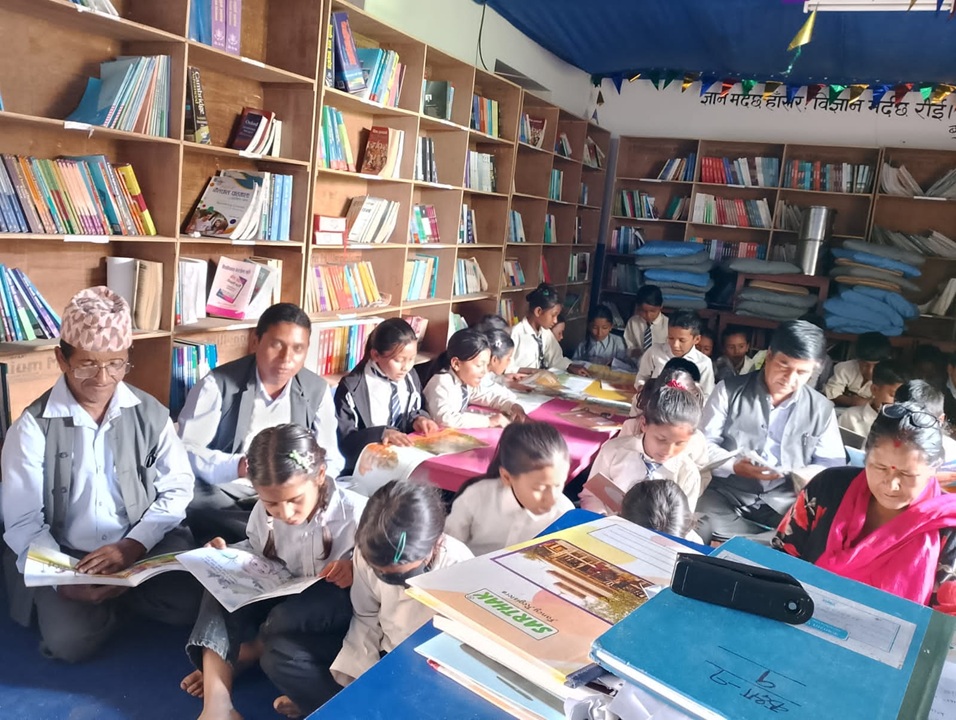
Despite these infrastructural challenges, the school has made important efforts to enhance learning opportunities by establishing a library, a science laboratory, and a computer room. Students from grades 9 to 12 receive computer education, equipping them with essential digital skills for further studies and future career prospects.
To support this initiative, the Government of Nepal has committed to covering 15% of the total costs for the construction of the four new classrooms.
Partners:


Photo Gallery