| Project | : | CLIMATE-RESILIENT WASH, Karnali Province |
| Location | : | 11 Municipalities in 6 Districts of Karnali Province |
| Project Partners | : | UNICEF Nepal |
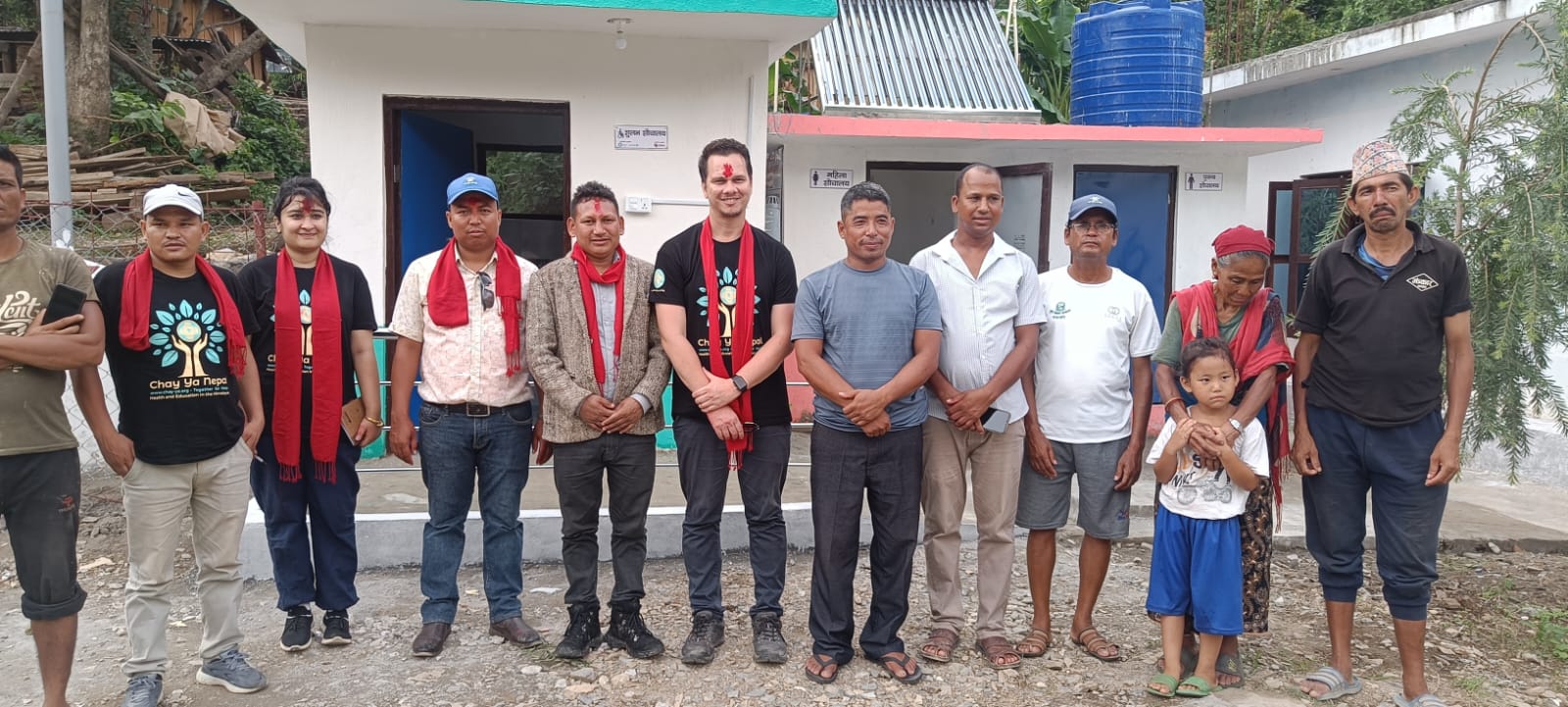
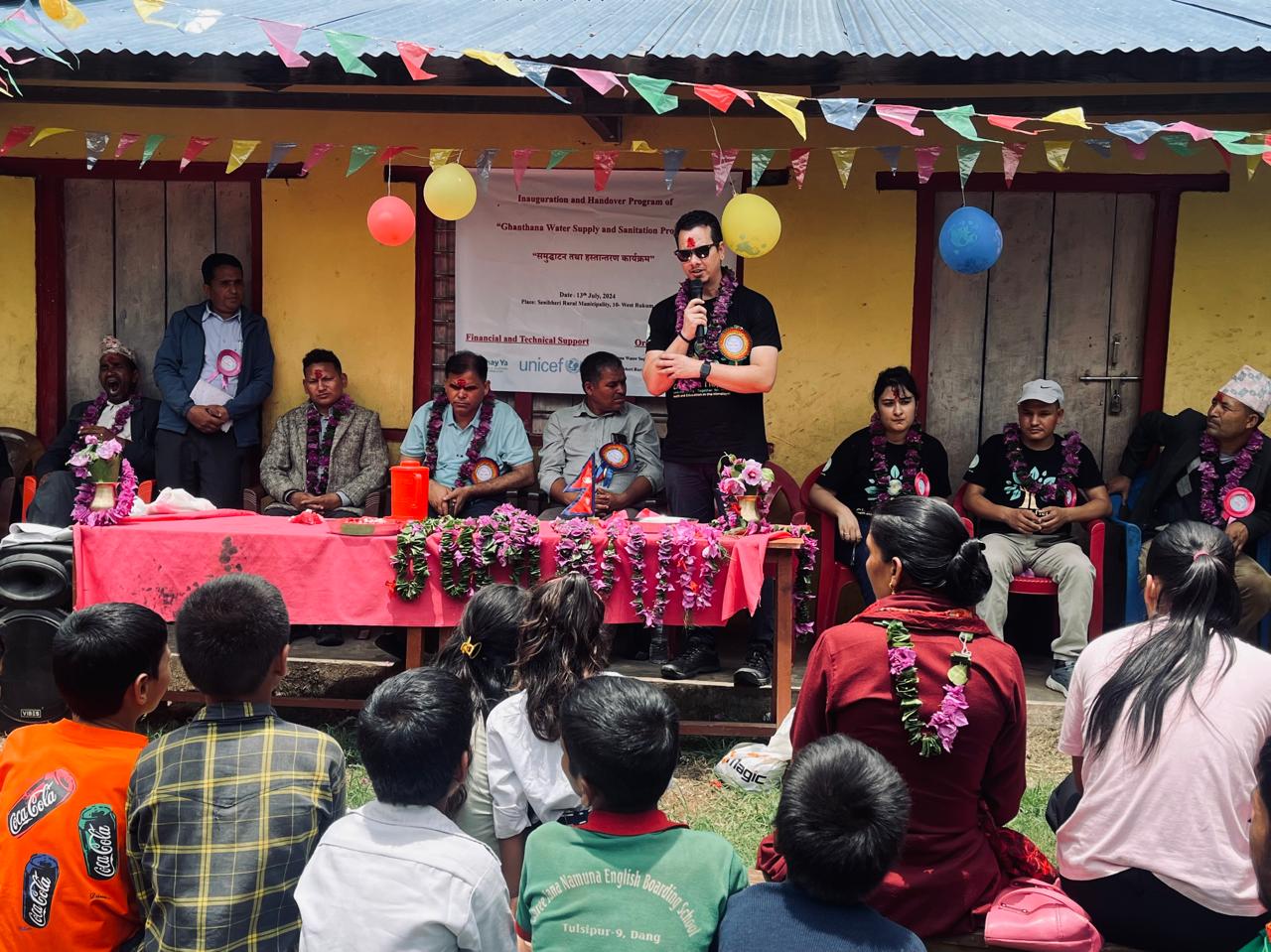
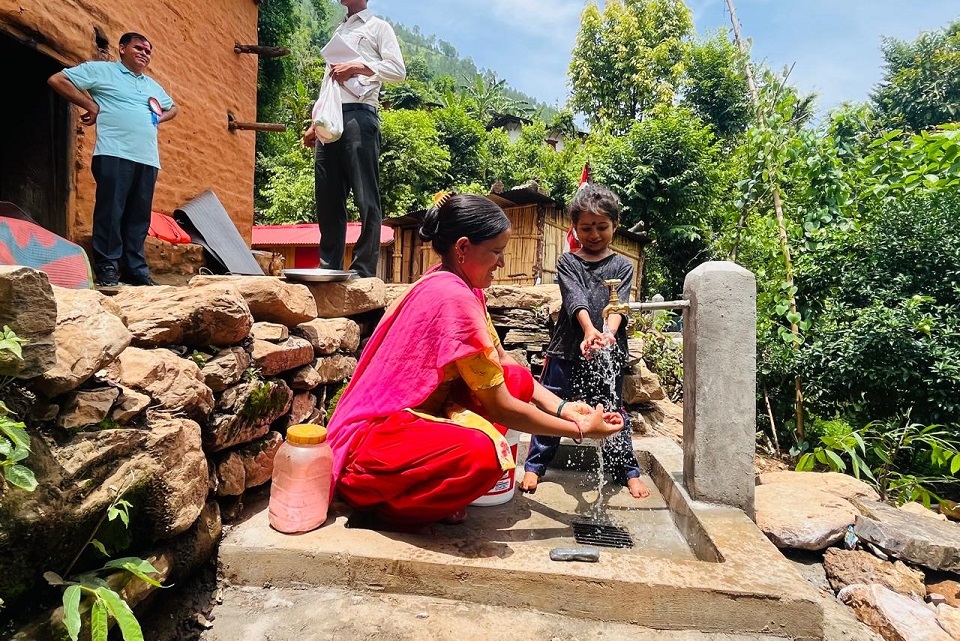
| Project Features | : | WASH project in Karnali boosts water, sanitation, and hygiene in schools, health centers, and communities after the 2023 earthquake. |
| Construction Modality | : | |
| Support Period | : | 2024 |
| Current Status | : | Completed |
The districts in the North-West of Nepal are some of the least developed in the country. Poor road conditions and inadequate infrastructure hinder the delivery of vital services and humanitarian aid. Additionally, the region is prone to climate-related disasters that disrupt livelihoods and essential services further. On November 3, 2023, an earthquake of the magnitude of 6.4 struck Karnali Province deteriorating the already insufficient WASH facilities. Access to clean water and proper sanitation facilities has since been critically limited. Therefore, this project aims to enhance climate-resilient WASH services in healthcare facilities, schools, and communities in 11 municipalities in six districts of Karnali Province.
Unicef has given out 4 components for improving the situation:
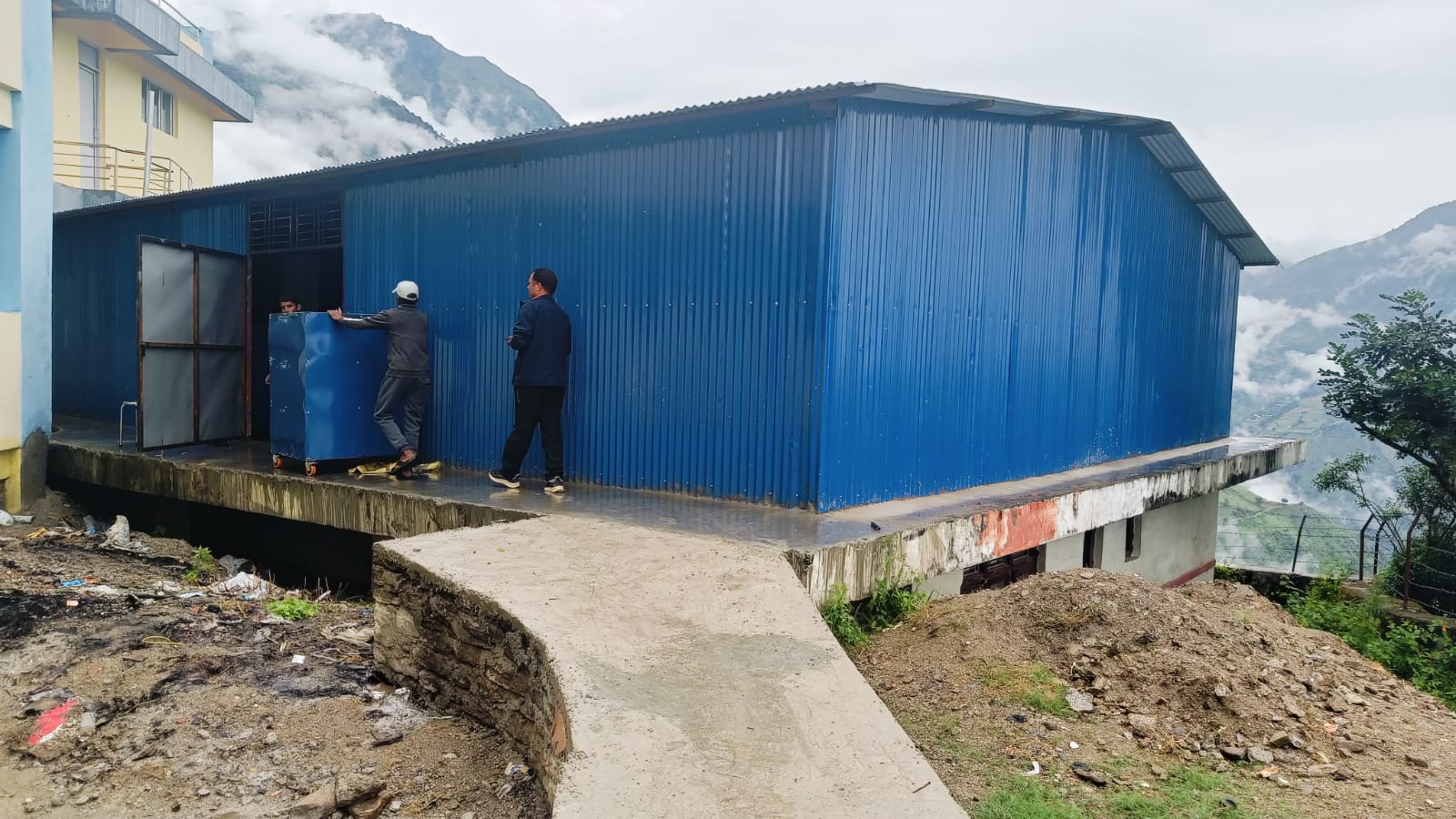
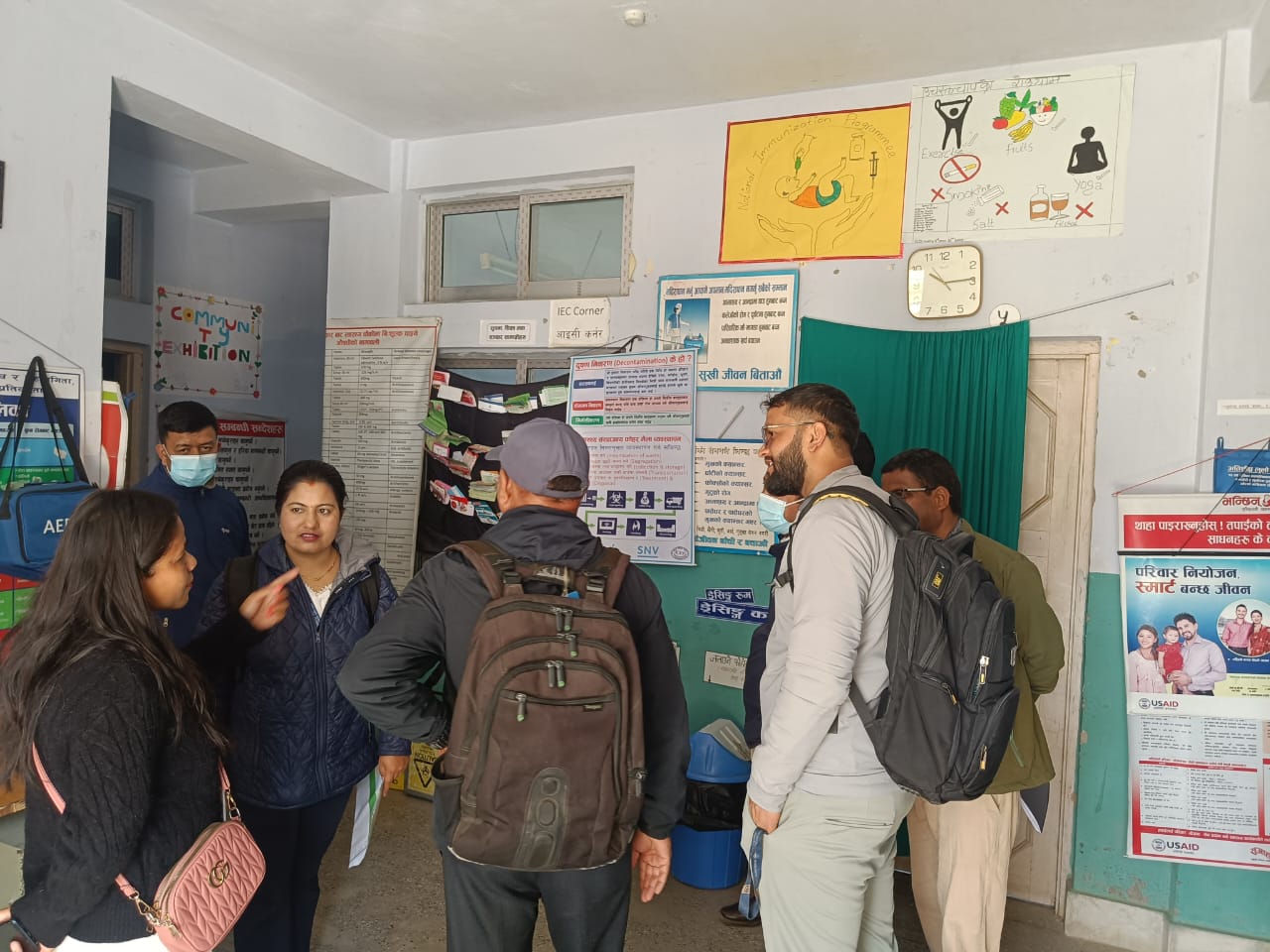
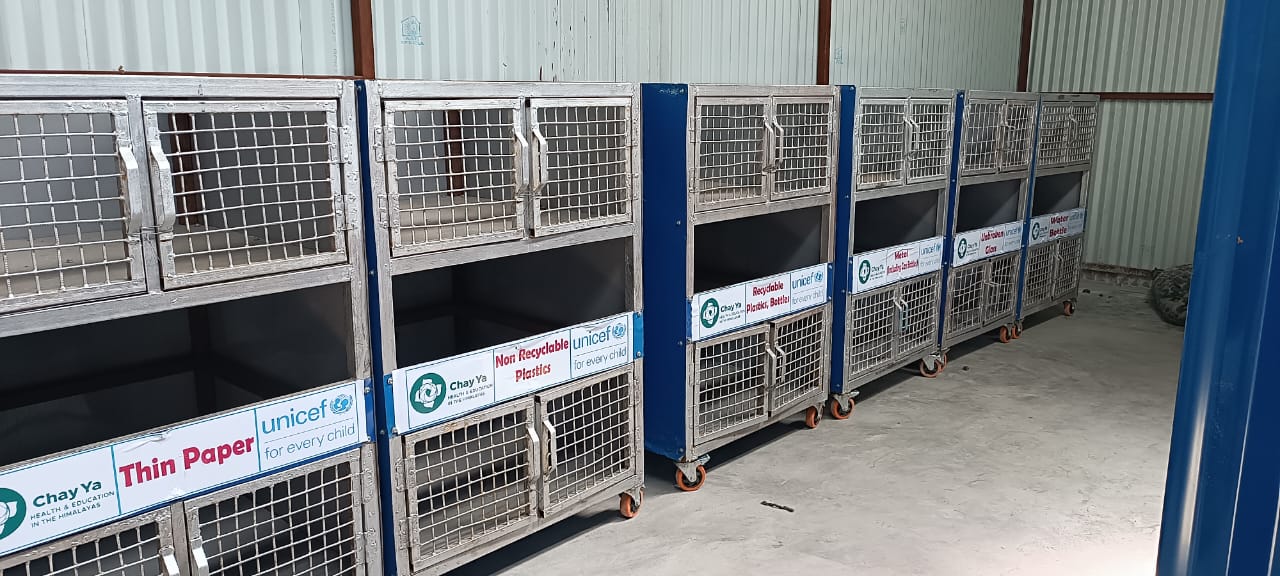
WASH in healthcare facilities including waste management of health care facilities
Improvement of inclusive WASH Services in schools as per the three-star WASH in School approach/standard of Nepal Government
Scaling-up climate resilient water safety plan (CR-WSP) targeting water-safe communities,
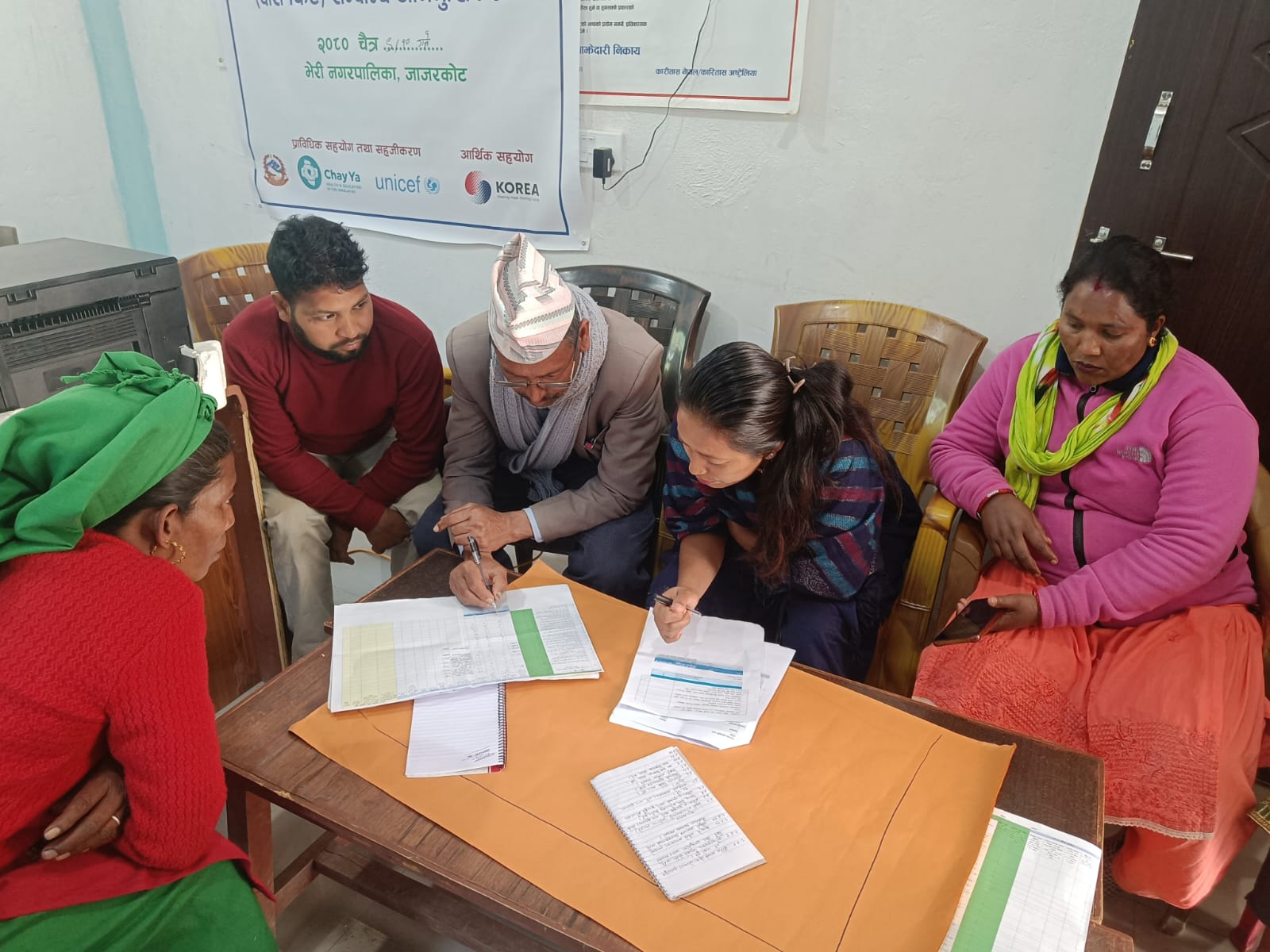
System strengthening of selected municipalities in the aspect of WASH information management, WASH Governance, policy formulation, systematic planning and monitoring, emergency preparedness and response
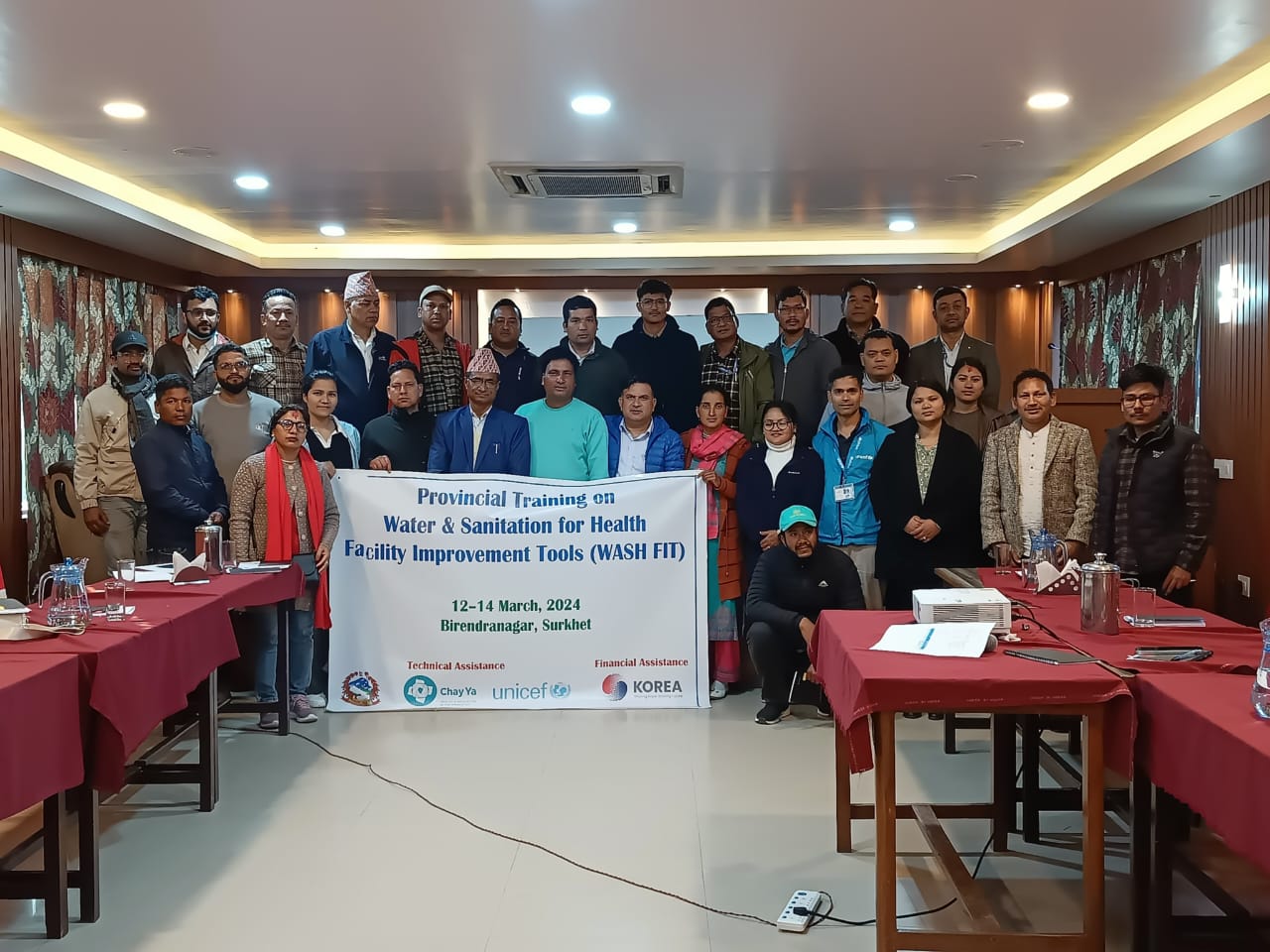
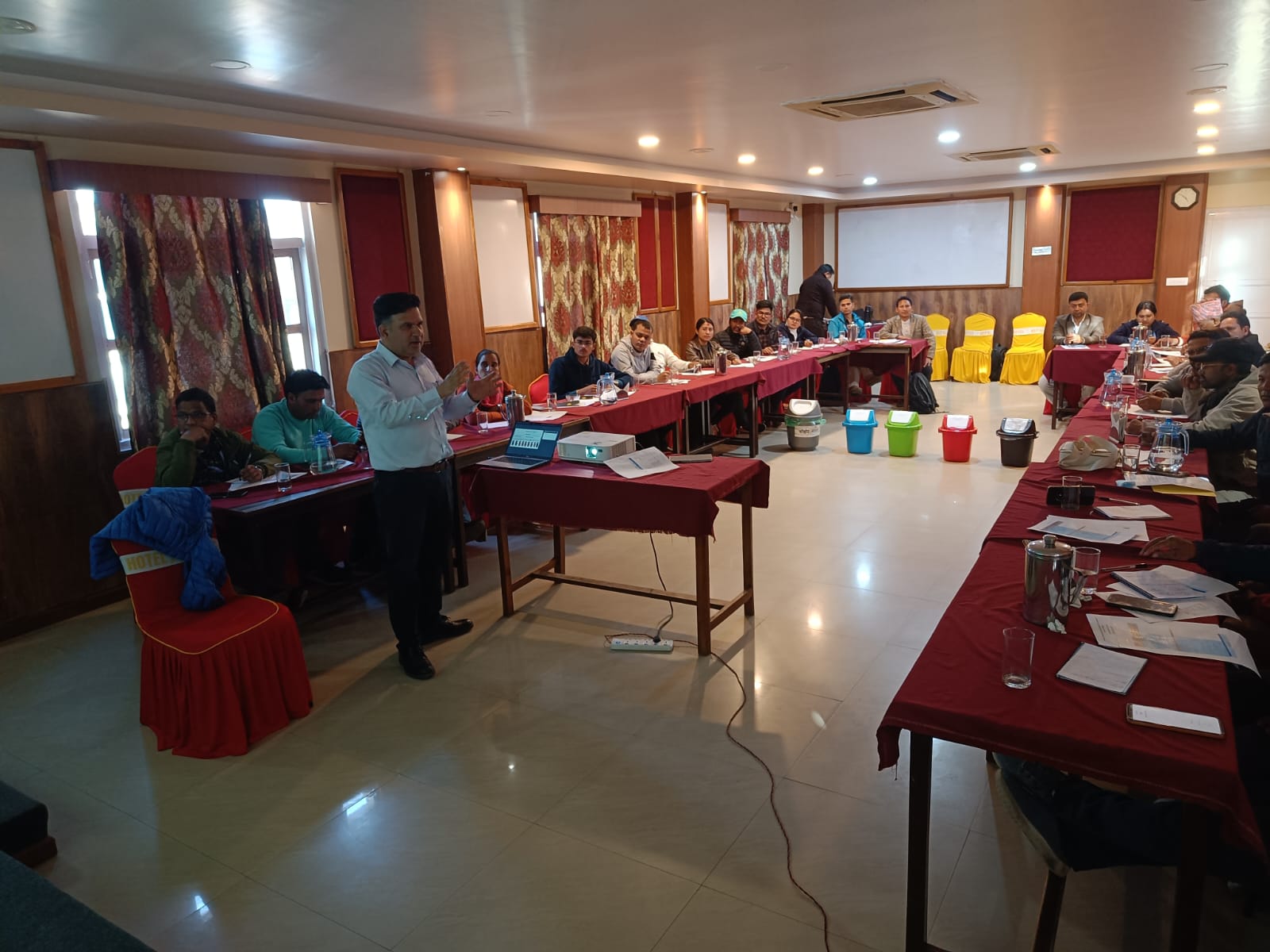
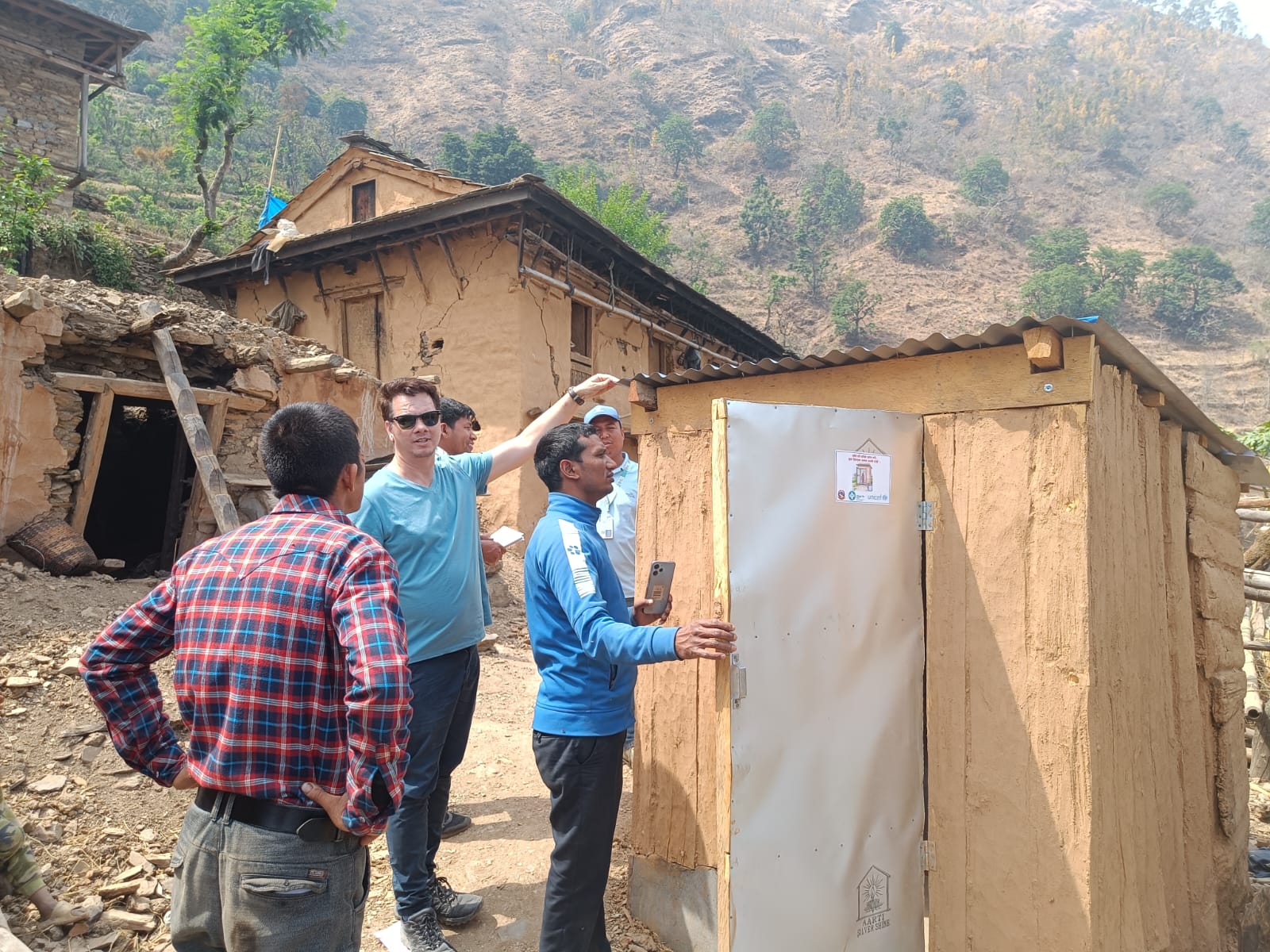
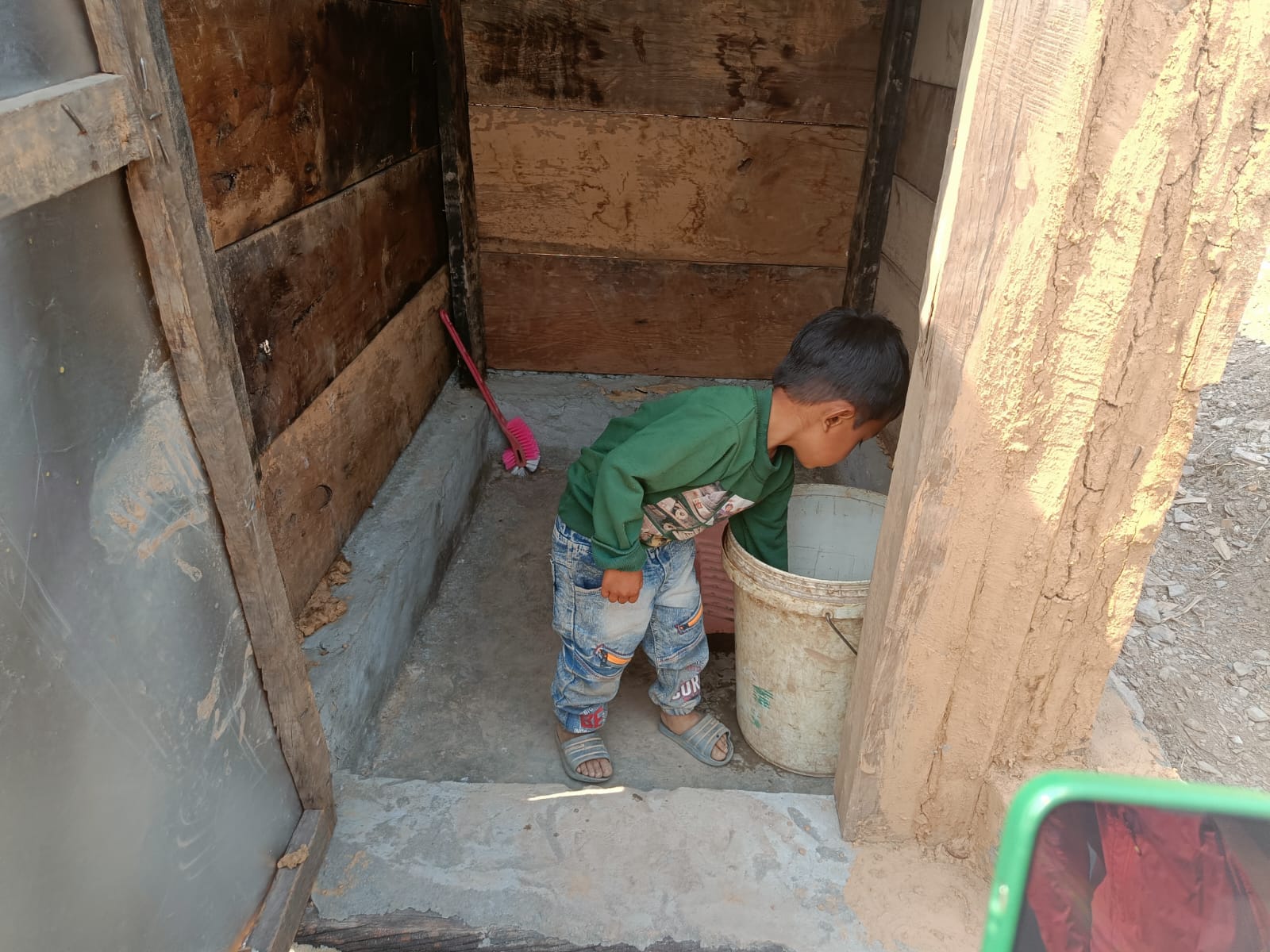
Thus, Chay Ya is planning to improve water and sanitation infrastructure (as well as waste management) in selected healthcare centers and schools. Toilets and water supply systems are to be repaired or constructed to improve accessibility. Especially in earthquake-affected areas, temporary toilet facilities are to be set up quickly and essential supplies as well as hygiene kits will be distributed to those most affected. At the same time, healthcare workers, teachers and community members are to be trained on WASH best practices and waste management techniques. Similarly, child clubs will be founded in schools to monitor their own WASH services. WASH committees and WASH fit teams are to be established to oversee and manage local water and sanitation services. To engage the communities, food for work programs will be initiated, i.e. food will be provided in exchange for community labor on WASH projects.
Partners:
Photo Gallery