| Project | : | Palungtar Solid Waste Management Project |
| Location | : | Palungtar Municipality, Gorkha |
| Project Partners | : | Karl-Zünd-Stiftung, Palungtar Municipality |
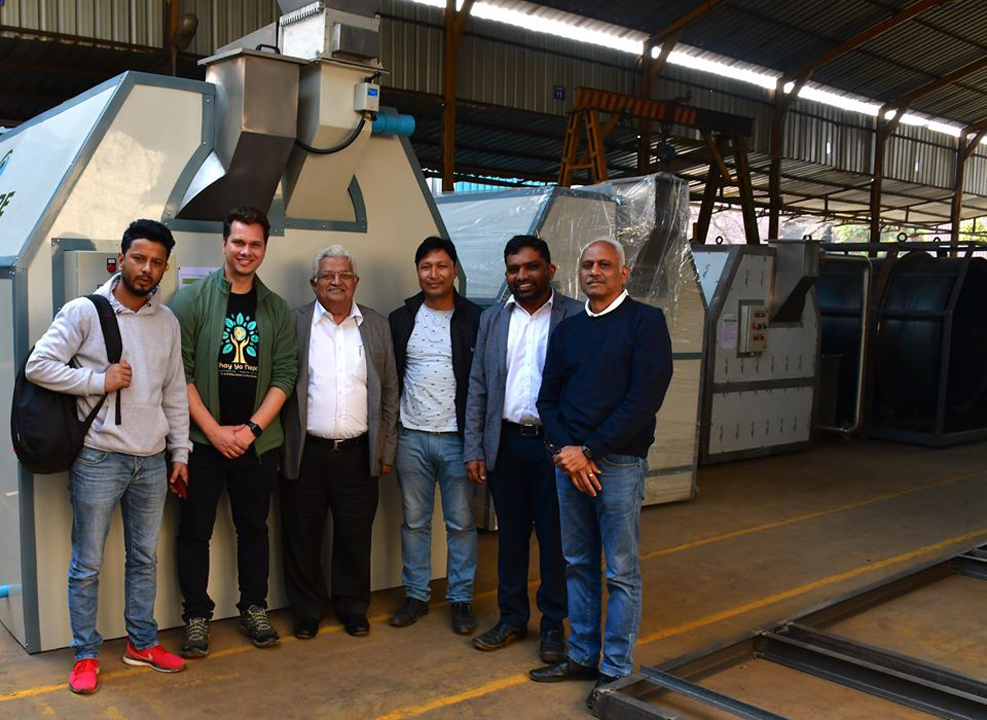
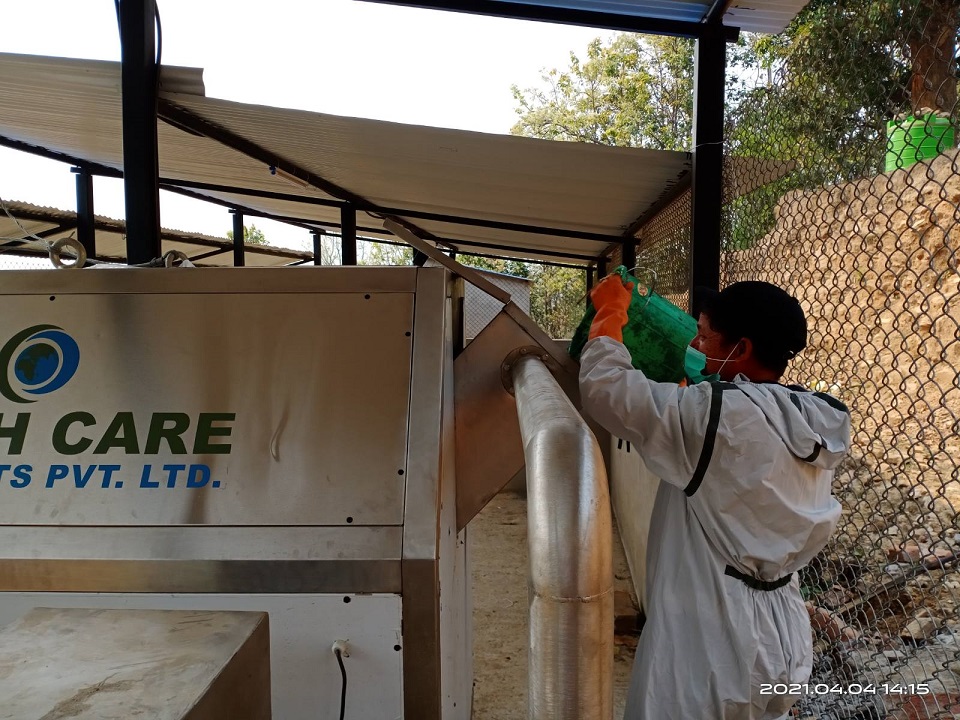
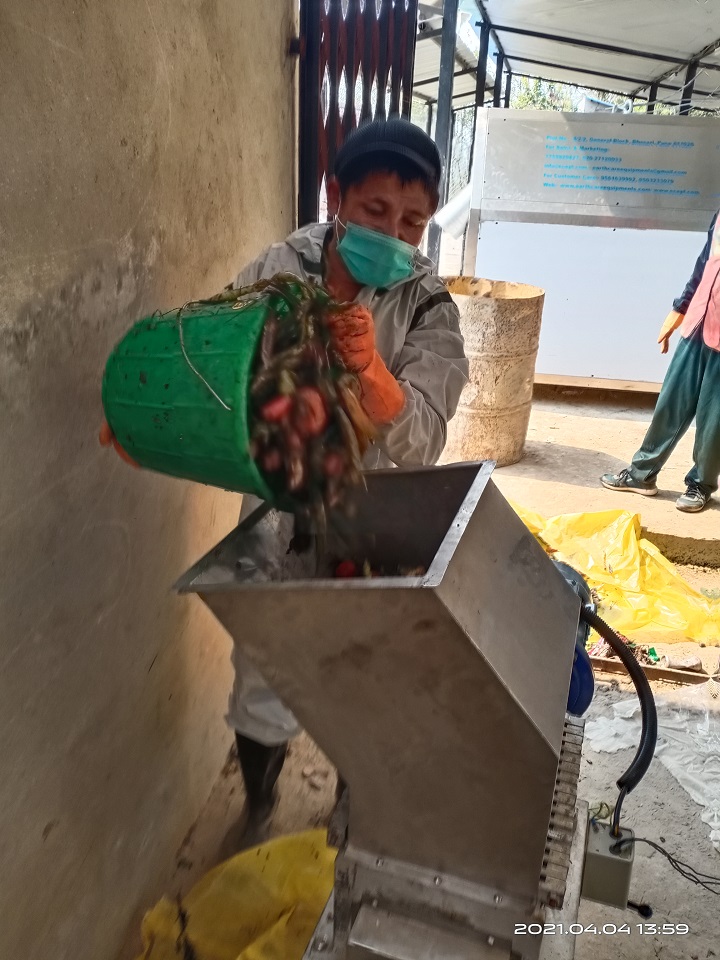
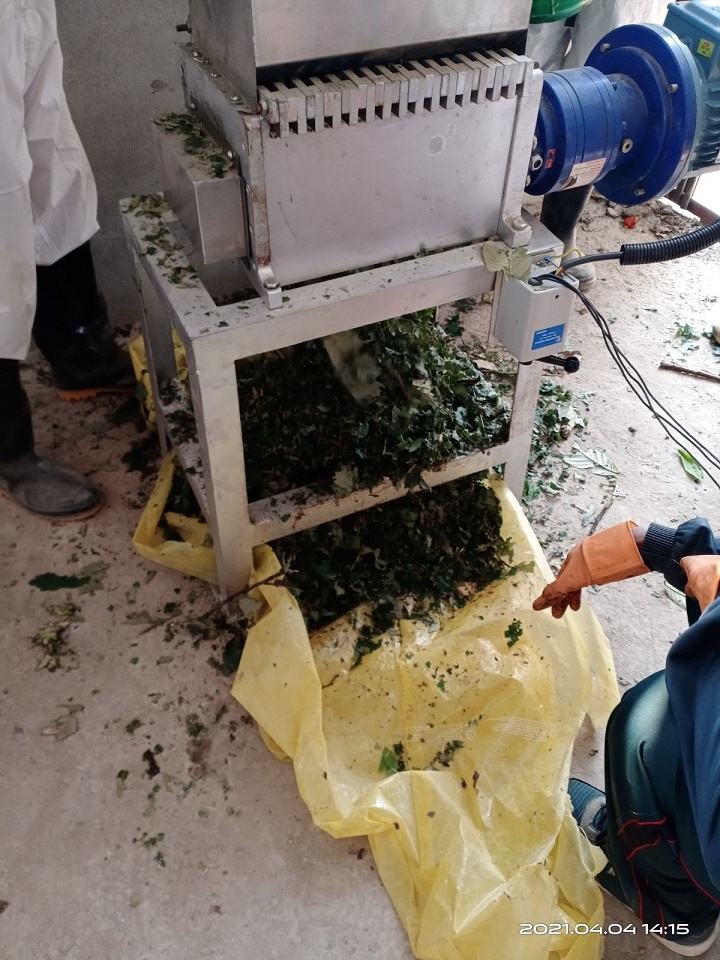
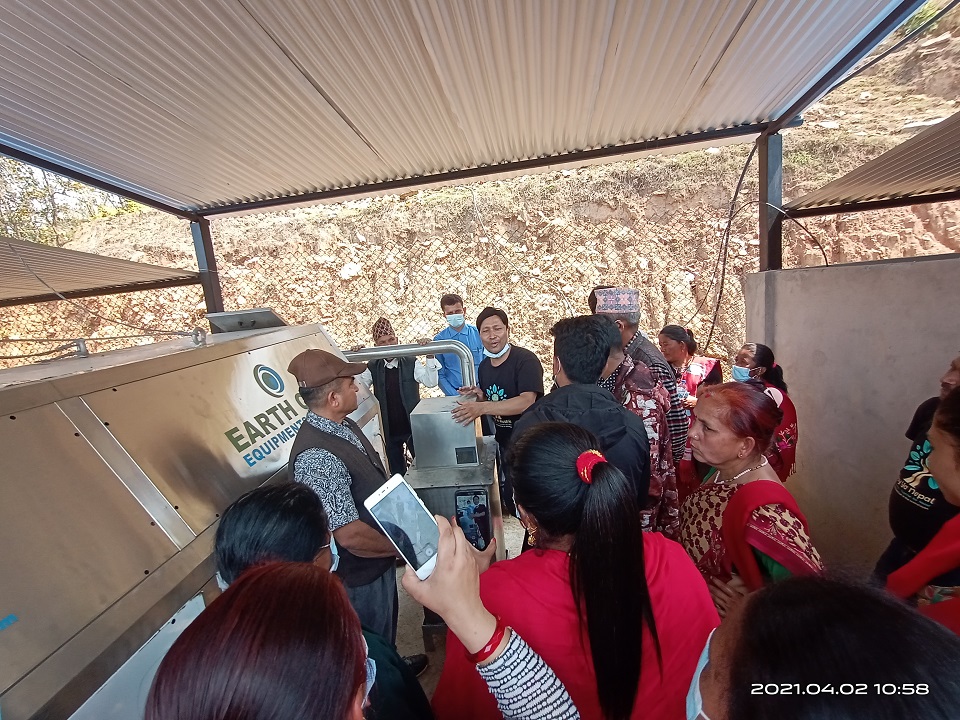
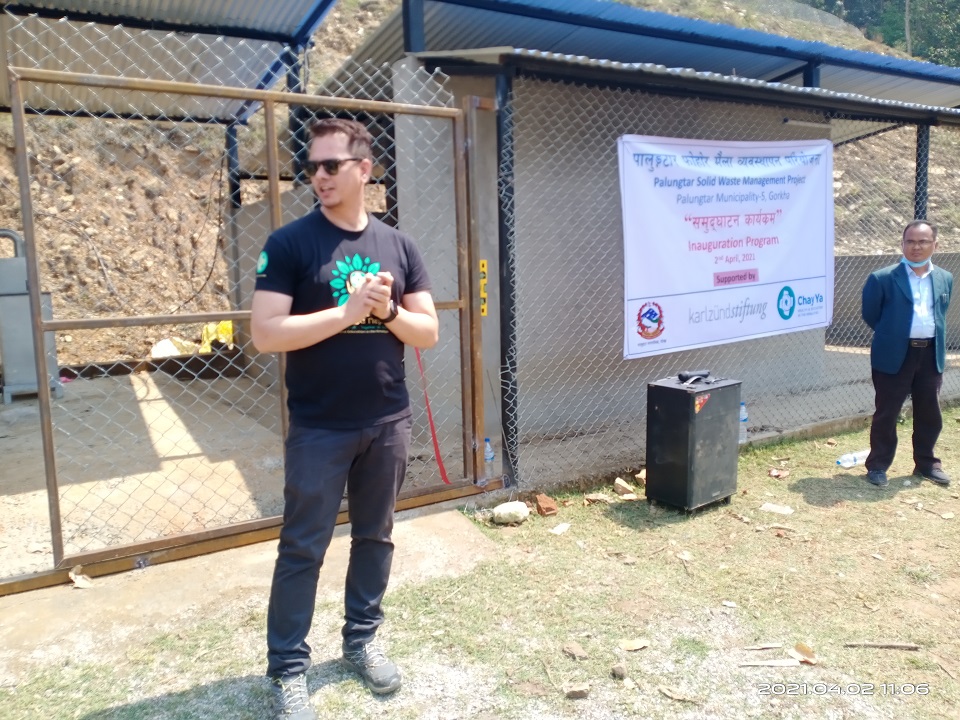
| Project Features | : | Construction of transfer station, installation of waste converter machine and start of solid waste process in the municipality. |
| Construction Modality | : | |
| Support Period | : | 2019 to 2021 |
| Current Status | : | Completed |
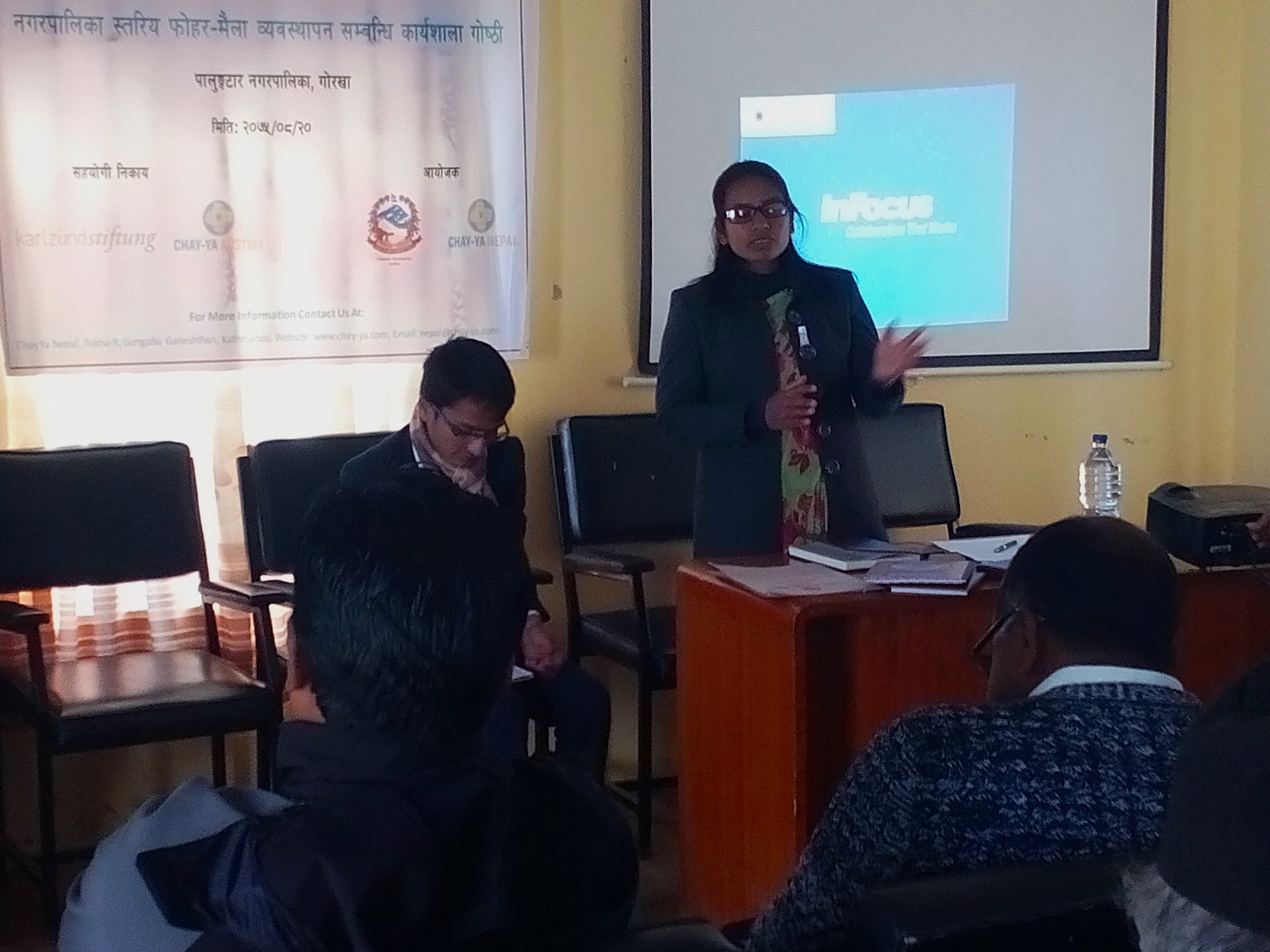
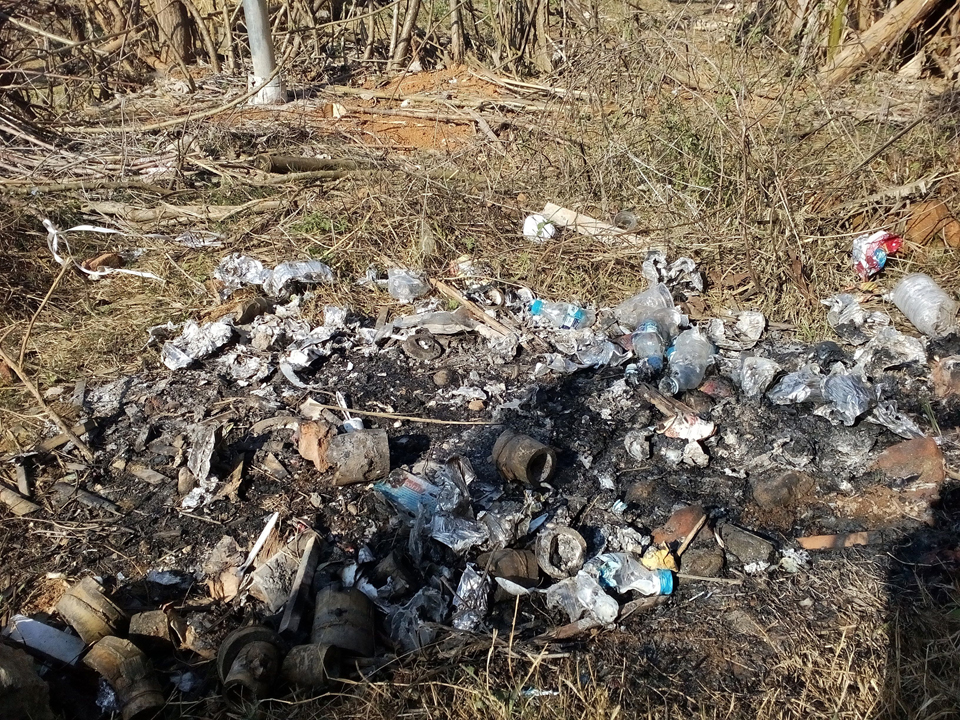
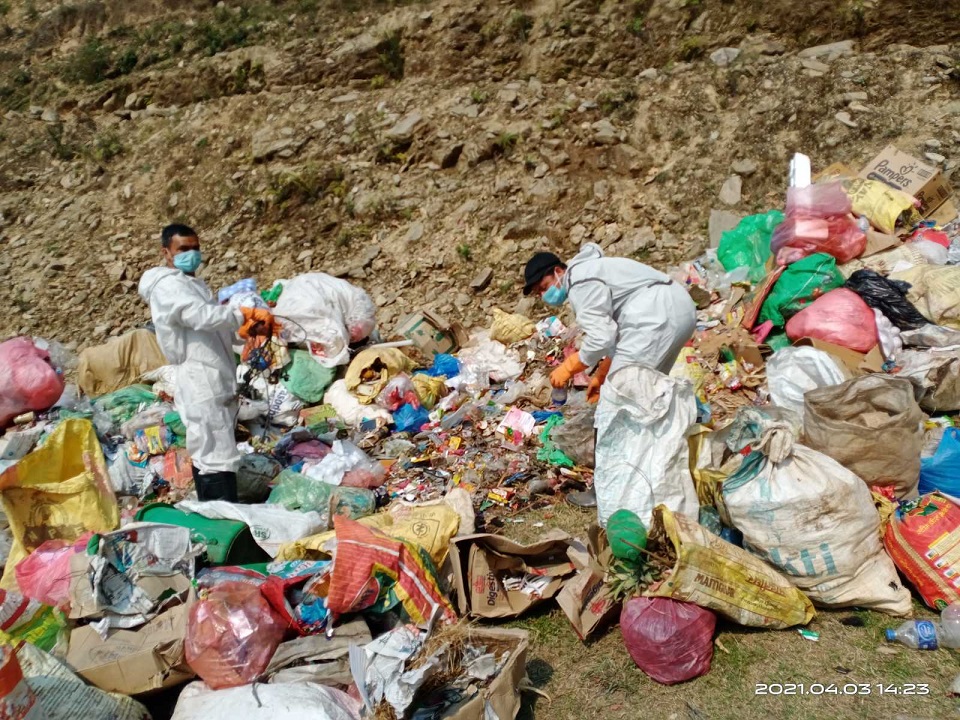
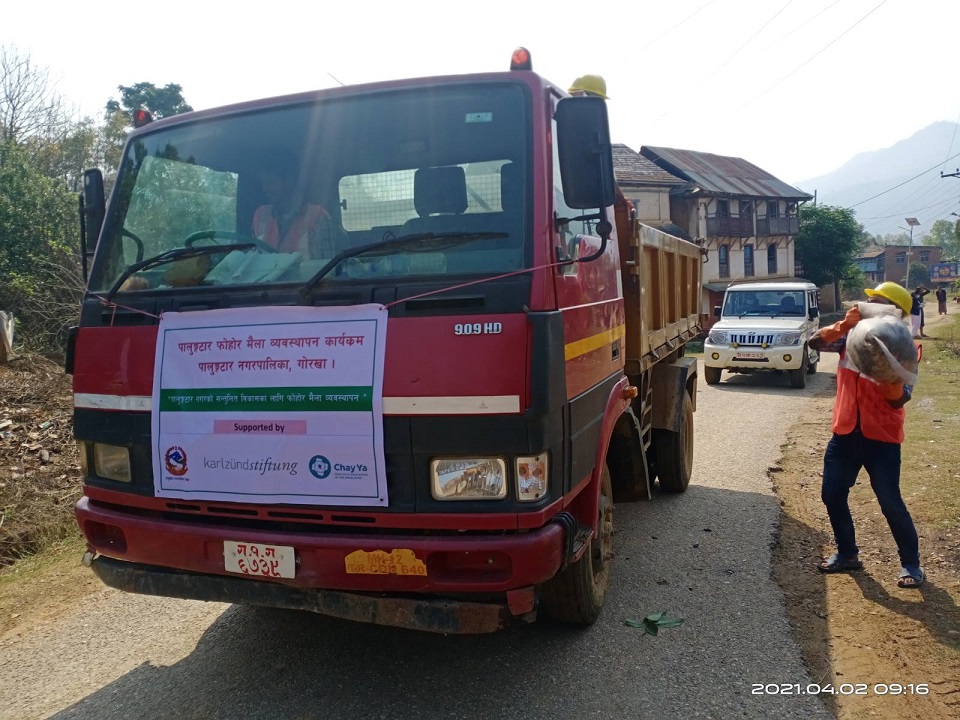
The solid waste treatment, disposal and recycling project is specifically designed to improve waste management in the small town of Palungtar. The current waste system consists of collecting waste from domestic, commercial or institutional facilities and subsequently “disposing” it in pits or landfills. This way, more and more land is polluted by the increasing population and the amount of steadily growing garbage. This, in turn, creates increased pressure on the local community administration to acquire new land, which is not only difficult to find but also difficult to finance. That is why the Nepalese government is very interested in finding a sustainable solution and will finance part of the project, as well as provide land and vehicles for a waste treatment plant.
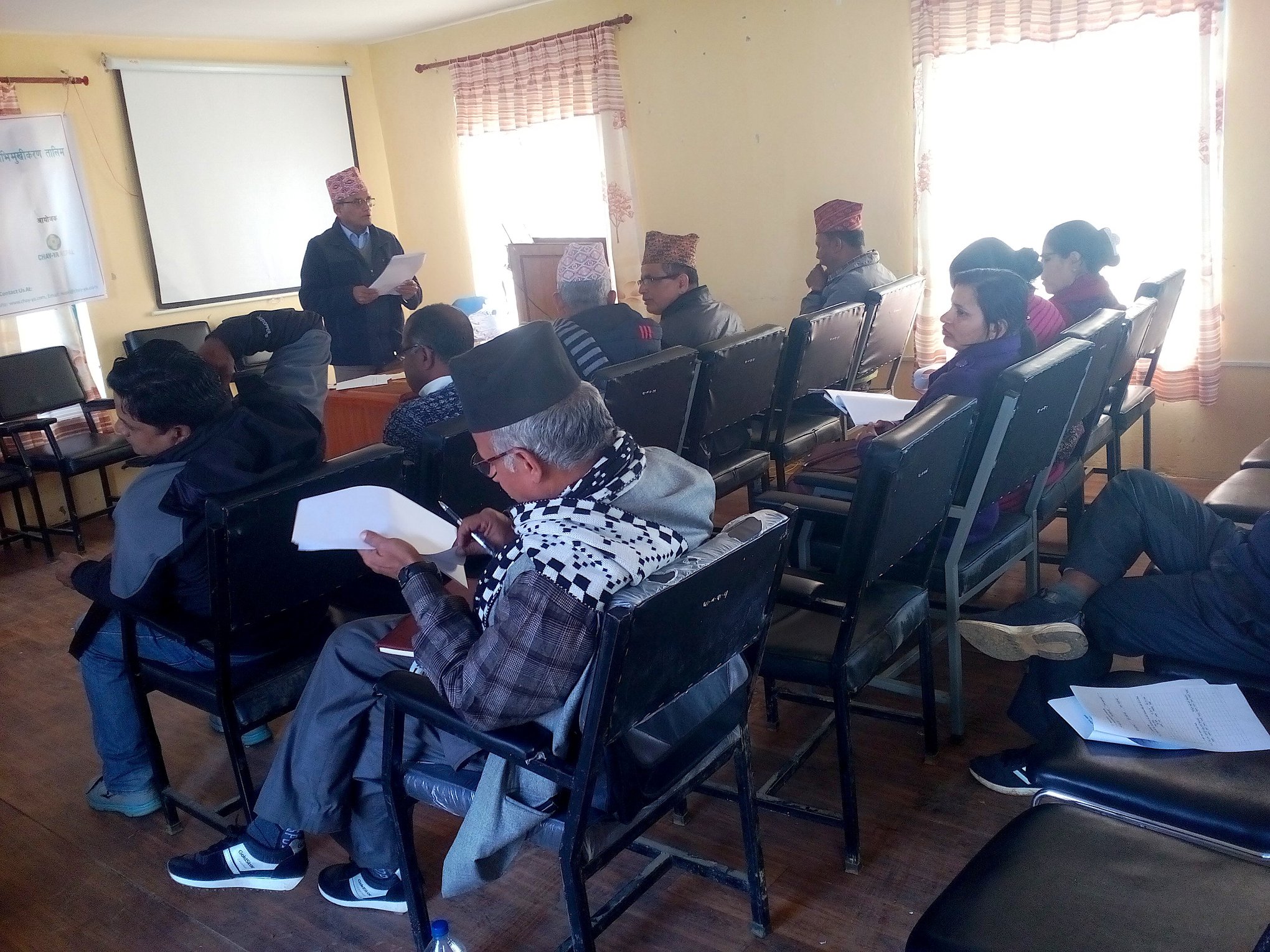
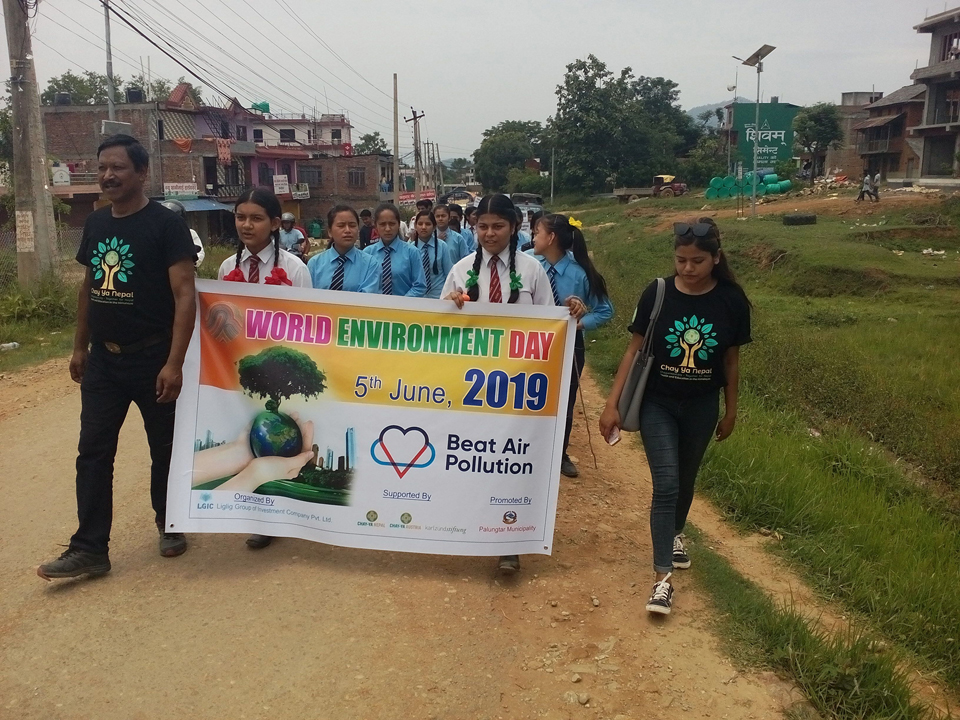
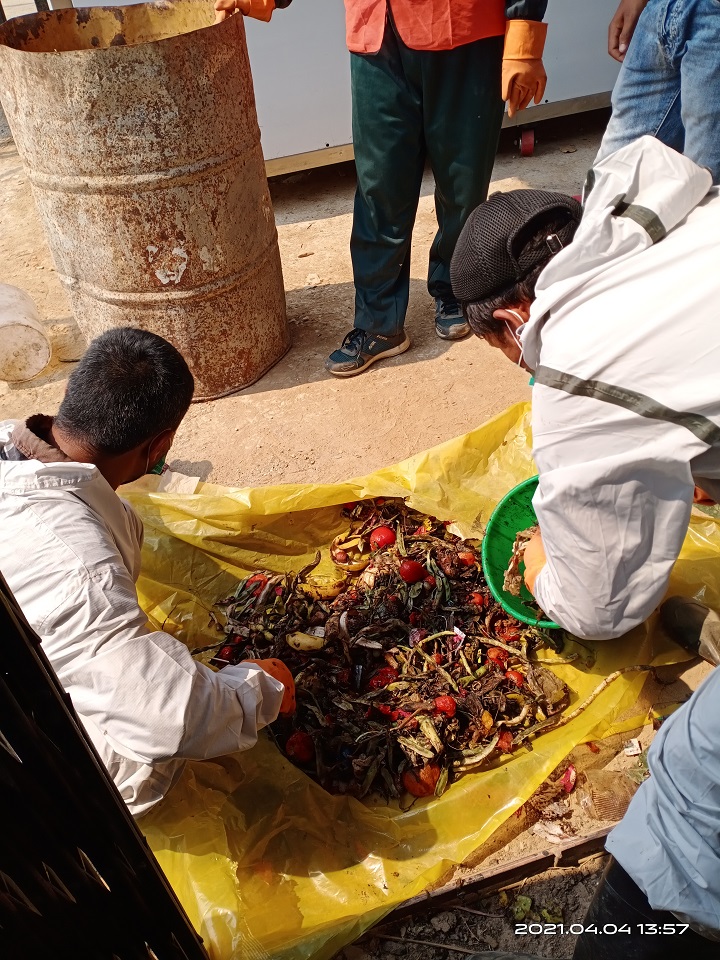
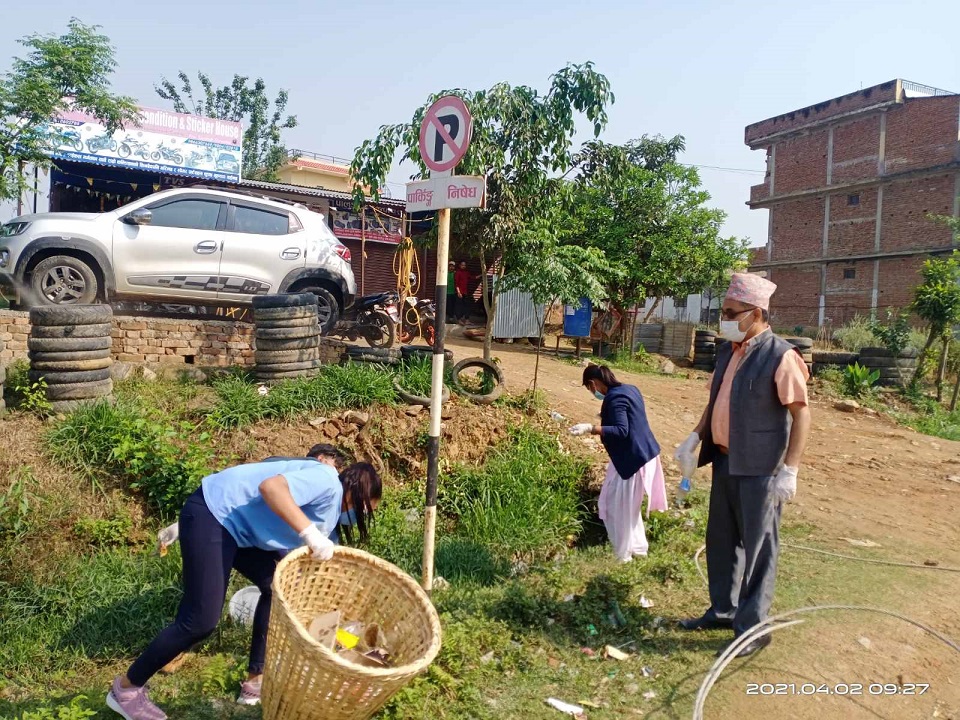
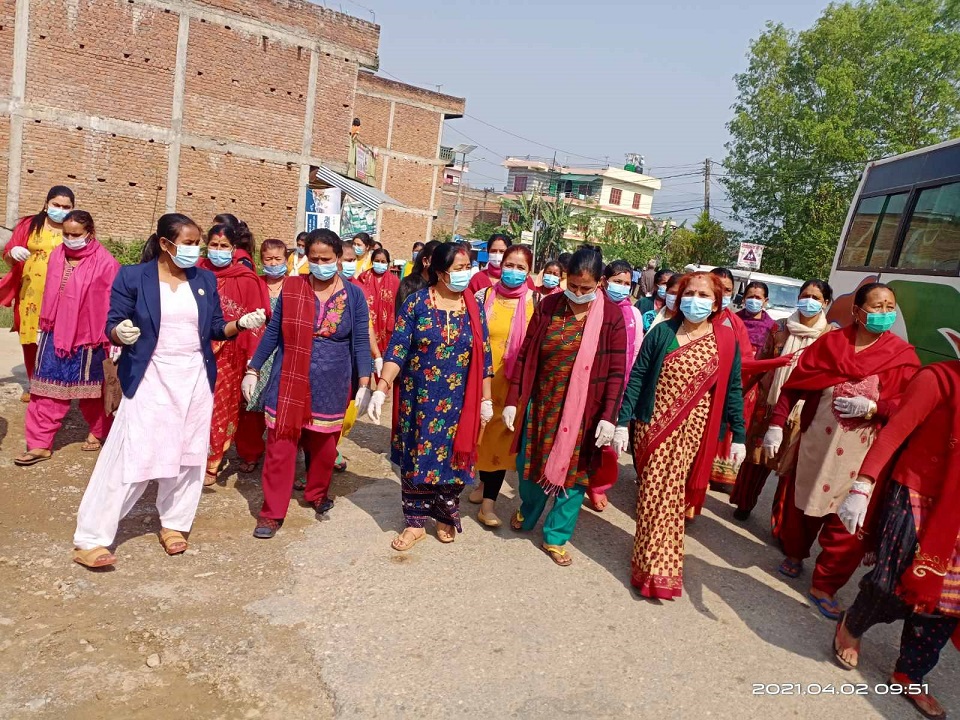
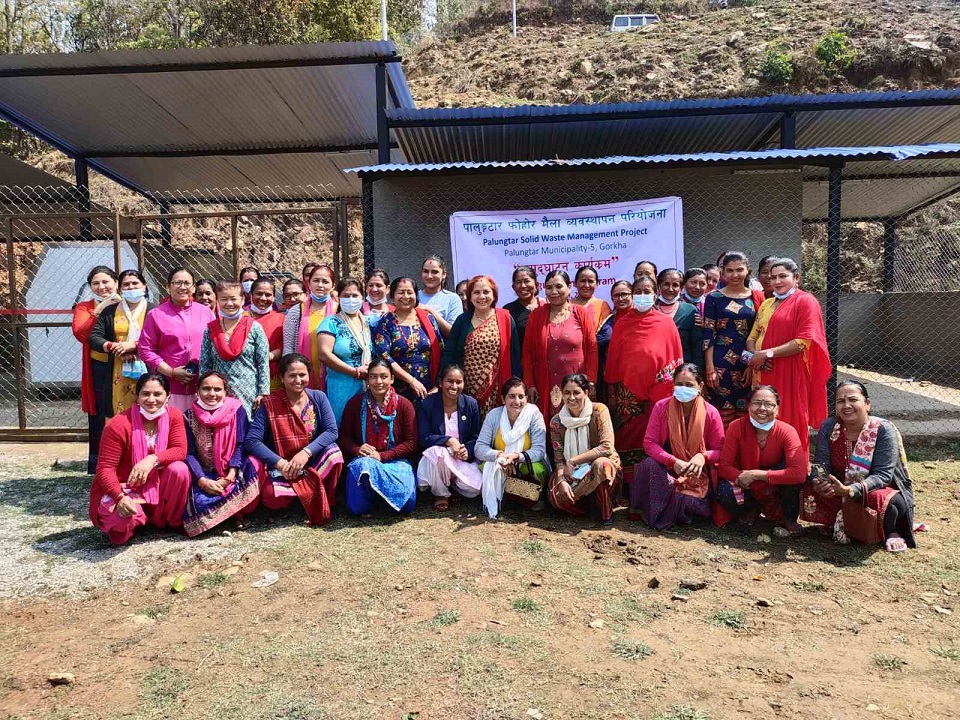
Apart from the financial and local restrictions, the simple “hiding” of garbage or the accumulation in the area is a very polluting “solution” for the disposal of garbage. This project in Palungtar aims to introduce a more efficient and environmentally friendly system to the municipality, composting organic waste and recycling non-organic waste. At the same time, an awareness of waste recycling in the local population is to be created and disseminated through information material. The supporting group of the project is the existing women’s group in Palungtar, which is being trained by Chay Ya Nepal. After 18 months, the waste recycling plant will not only finance itself but will also generate income for at least 30 women by selling the compost (organic waste) and raw materials (inorganic waste) it produces.
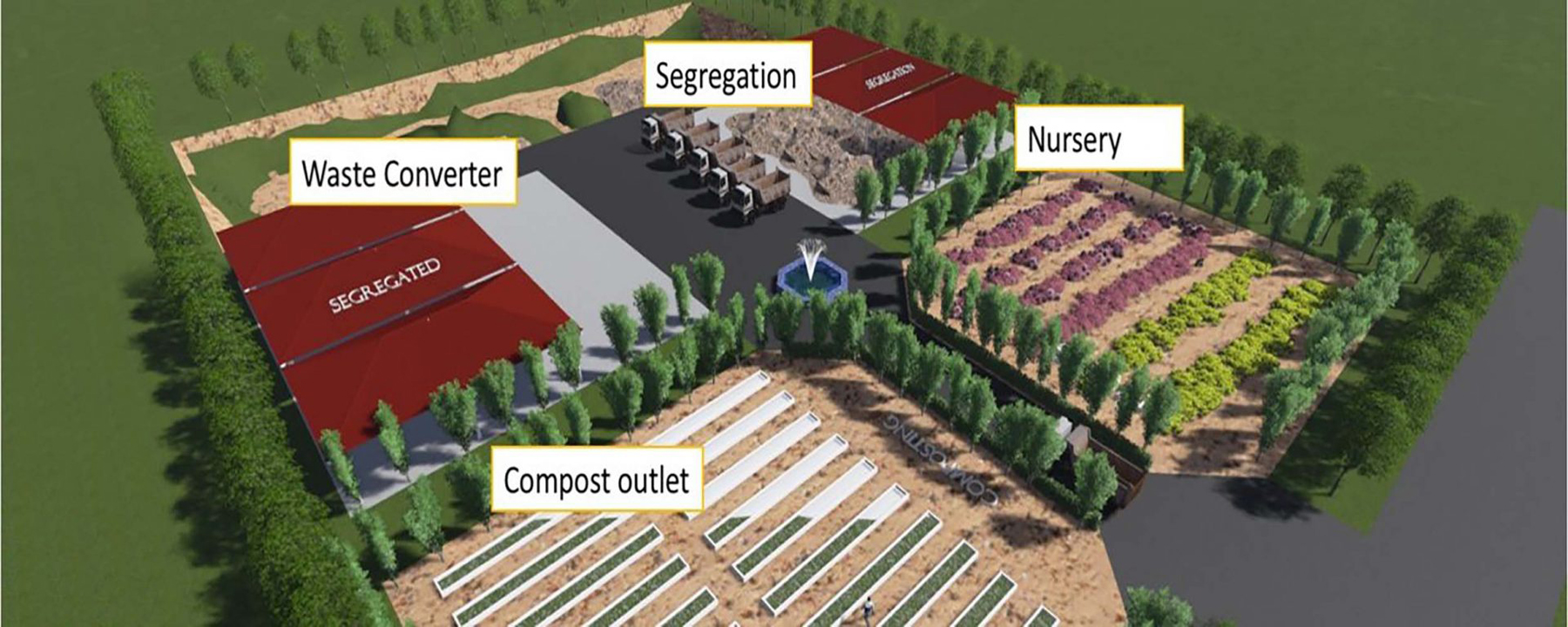
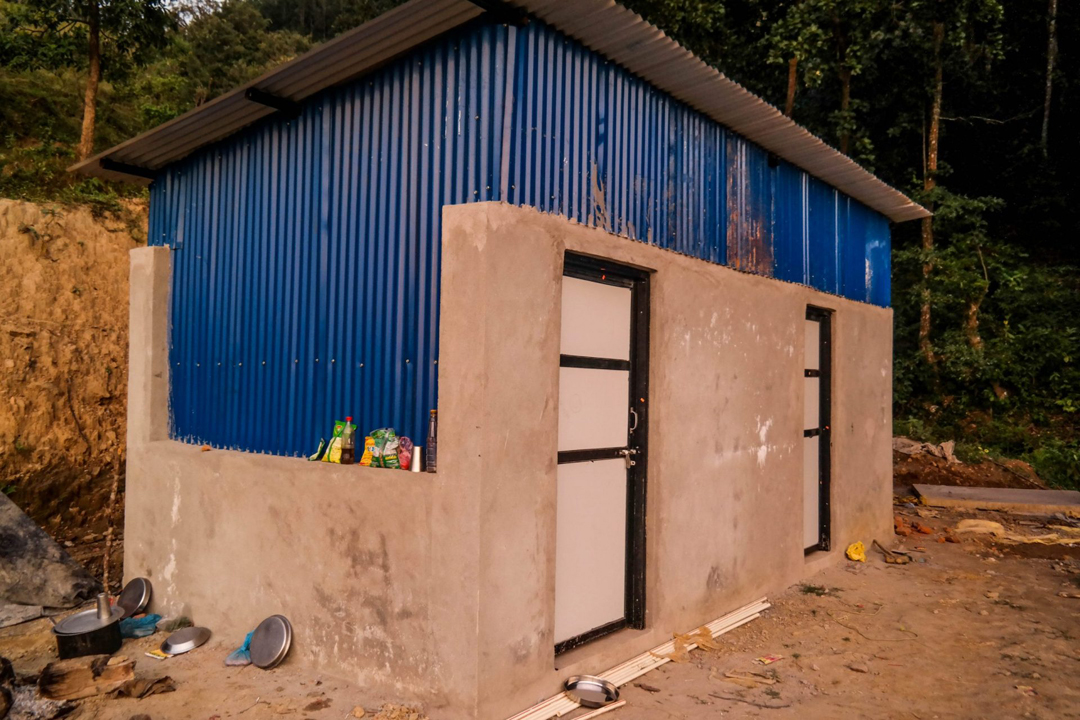
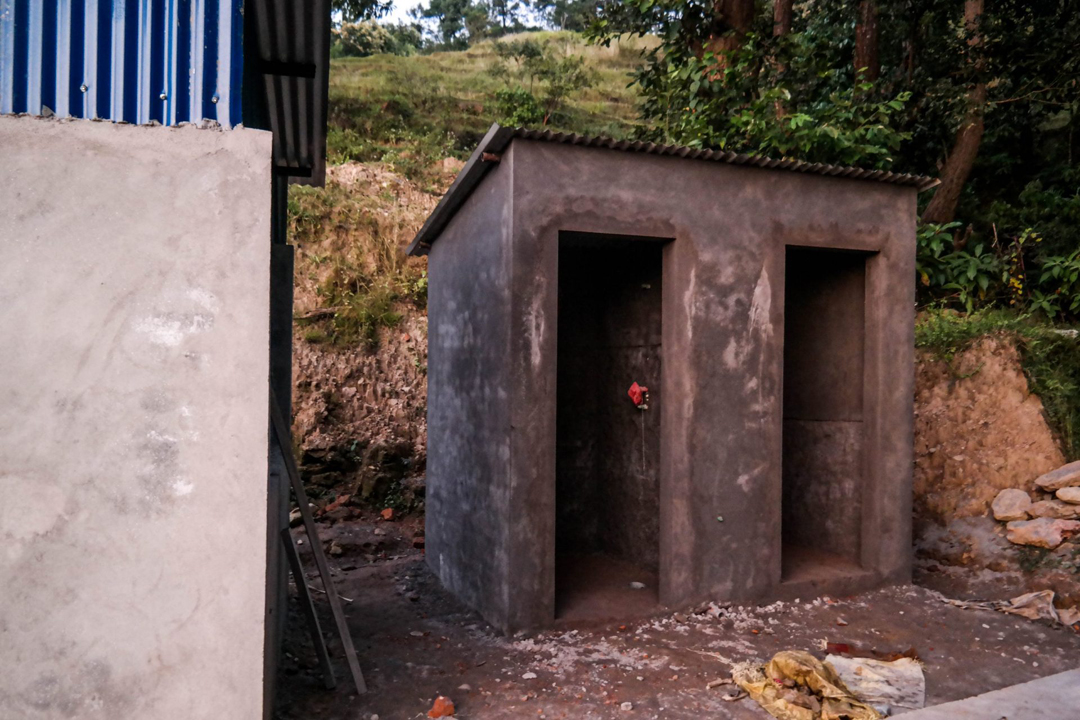
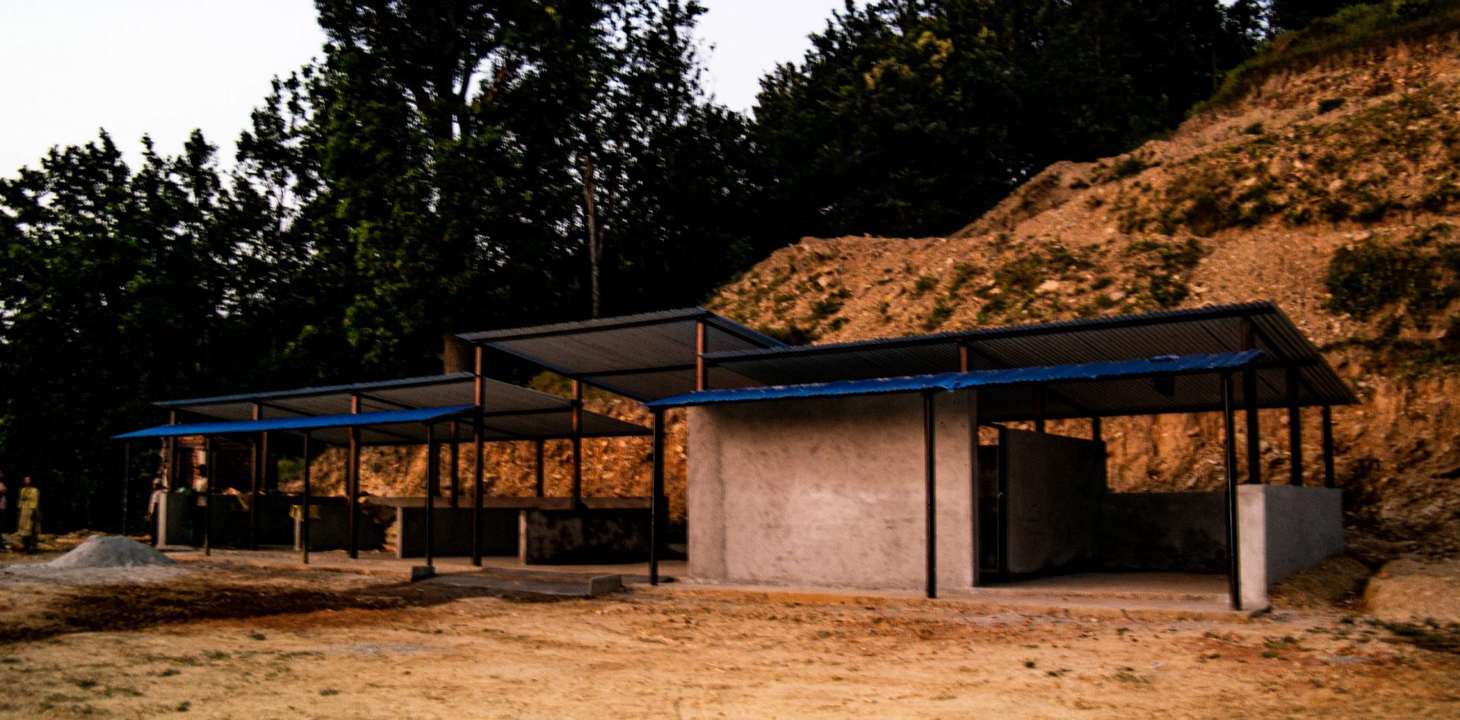
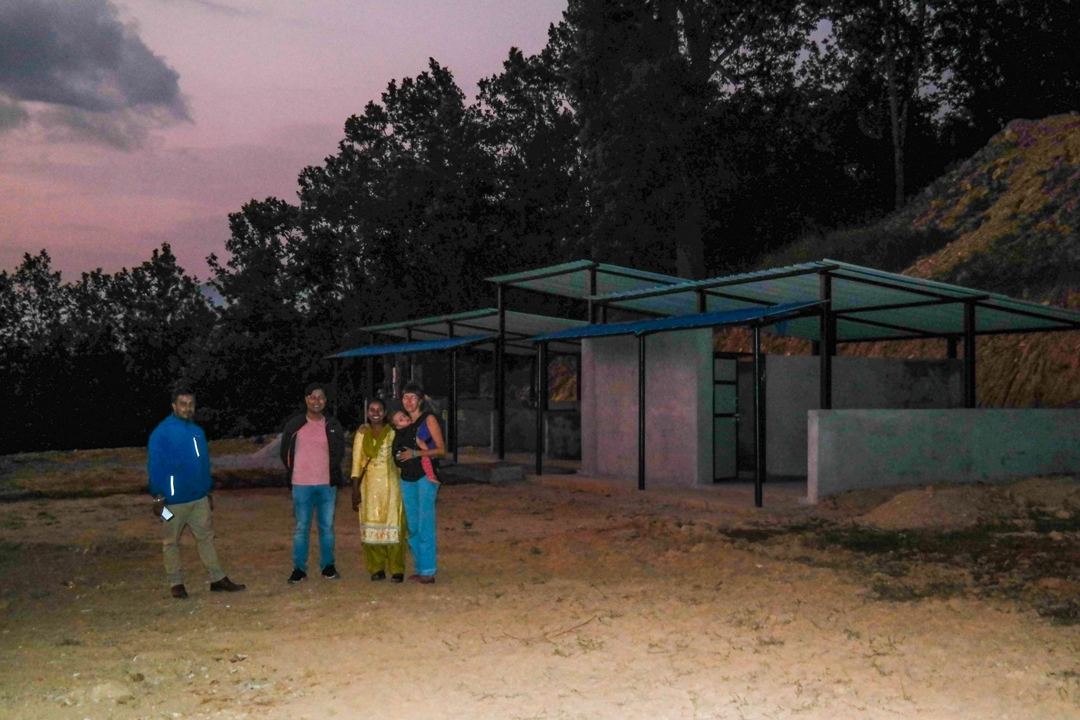
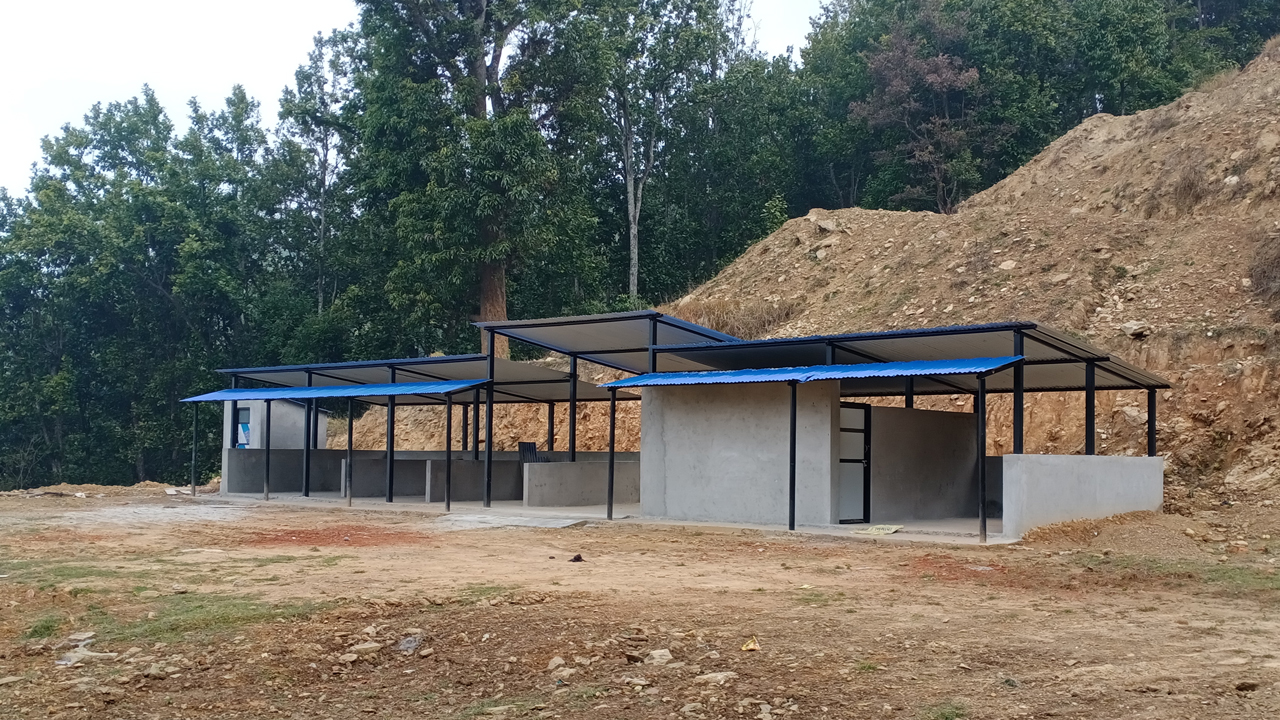
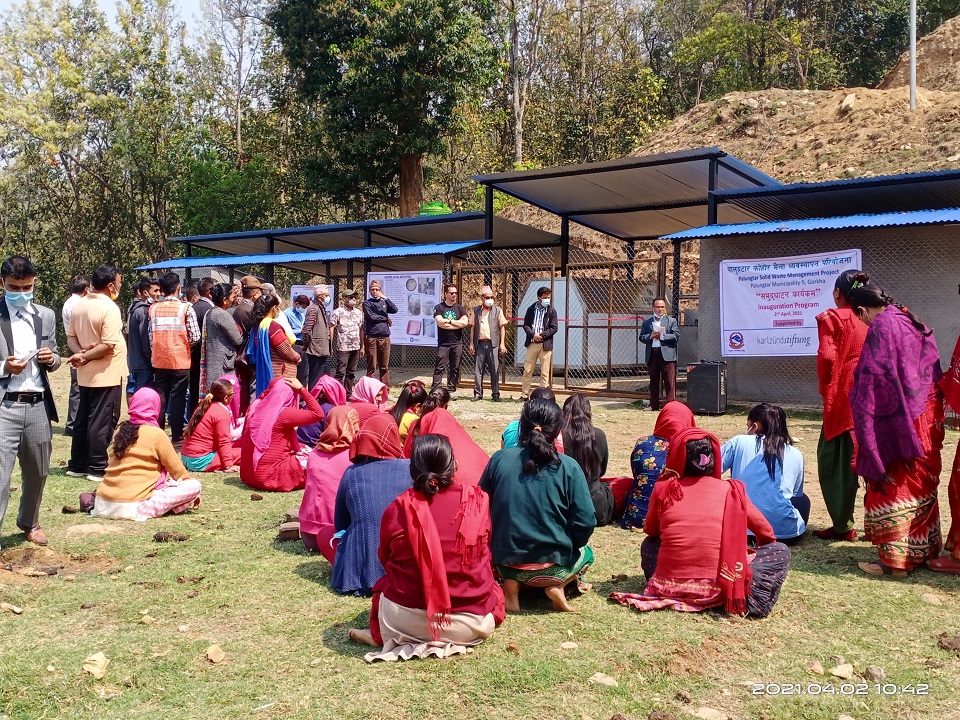
The waste separation and recycling plant consists of a delivery or transfer station for the waste, separate areas for waste separation according to the material, a separate and lockable area where the composting plant, which converts organic waste into high-quality compost, is located, an electricity room, toilets for the workers and a large forecourt for trucks that transport the separated materials for recycling.
Partners:
Photo Gallery