| Project | : | Humla, Mugu & Dolpa TOTAL SANITATION PROMOTION |
| Location | : | Simkot Rural Municipality, Humla, Chhayanath Rara Municipality, Mugu and Thulibheri Municipality, Dolpa |
| Project Partners | : | UNICEF Nepal |
| Project Features | : | WASH project improved toilets, water, and hygiene in 20 schools across Mugu, Humla, and Dolpa, reaching 2,005 girls with menstrual hygiene training. |
| Construction Modality | : | |
| Support Period | : | 2018 - 2019 |
| Current Status | : | Completed |
Humla, Mugu and Dolpa are the northern-most and therefore also most remote districts of Karnali province. The federal structure includes four palikas in Mugu, eight palikas in Dolpa and seven in Humla. All districts of Karnali Province have already declared themselves as ODF (Open Defecation Free) zones, while in a few palikas a full sanitation promotion has been initiated on a small scale.
Although considerable progress has been made in these districts concerning the installation and use of basic sanitation (i.e. construction and use of toilets), the proper management and hygienic use of toilets, handwashing, child management, institutional WASH management, and the functionality of the water supply systems remain a challenge. Public schools in particular, and unfortunately also health centers, often have very poor sanitation and hygiene facilities. Schools that do have toilets often either have no water or the toilets are blocked. The condition of the drinking water is similar. Therefore, a proper WASH intervention and guidance is needed. This project helps to solve some of the problems associated with WASH in schools and health facilities.
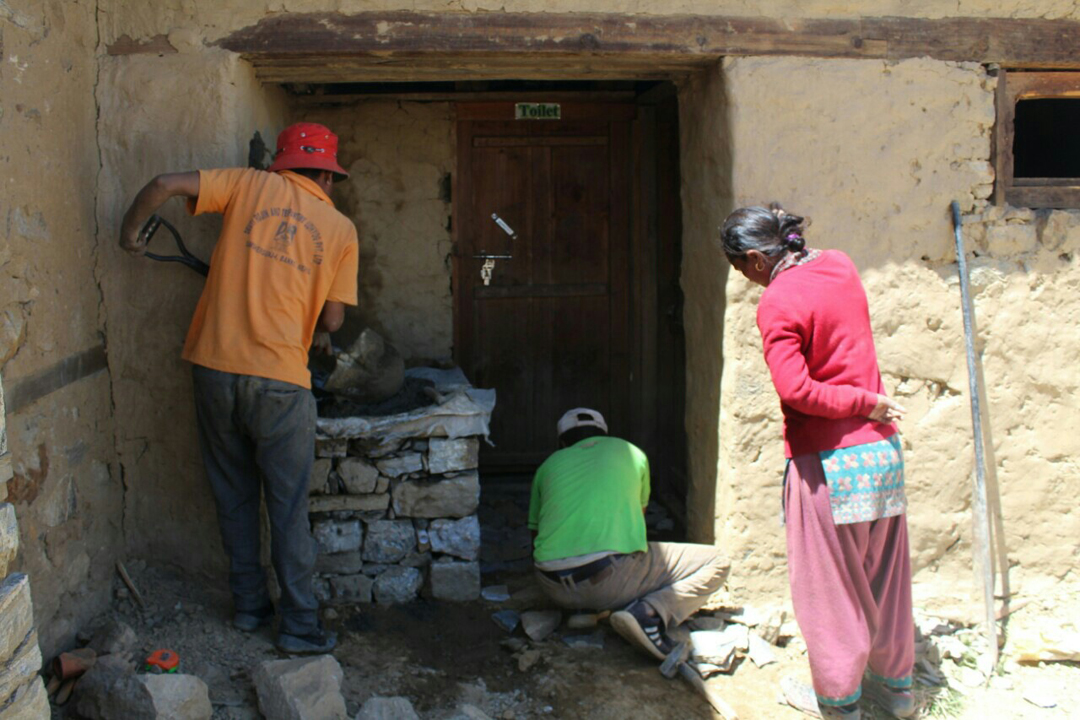
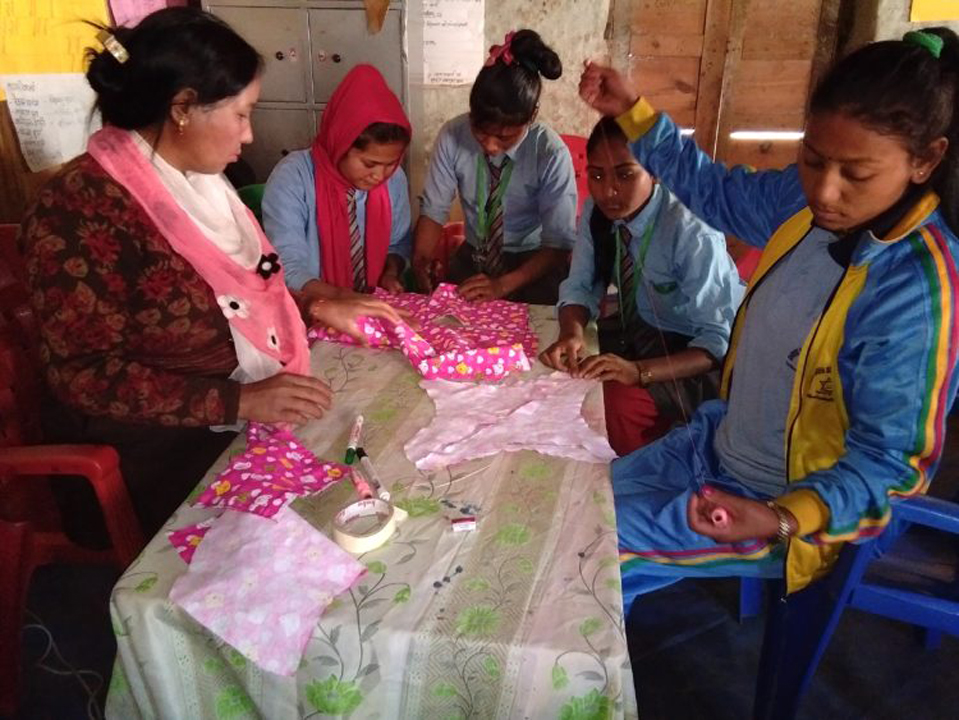
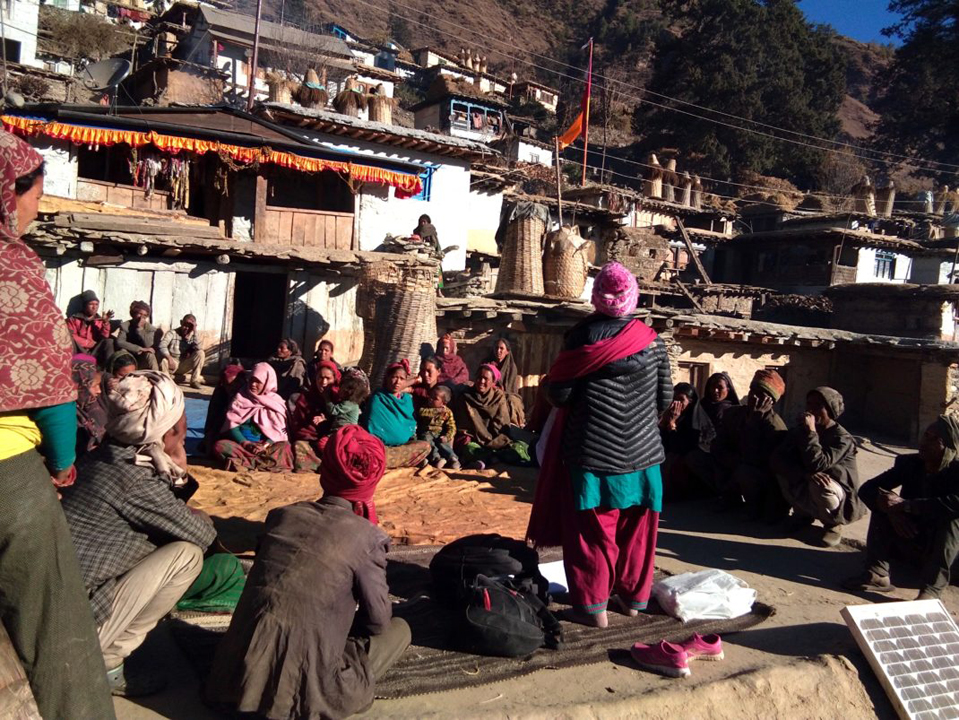
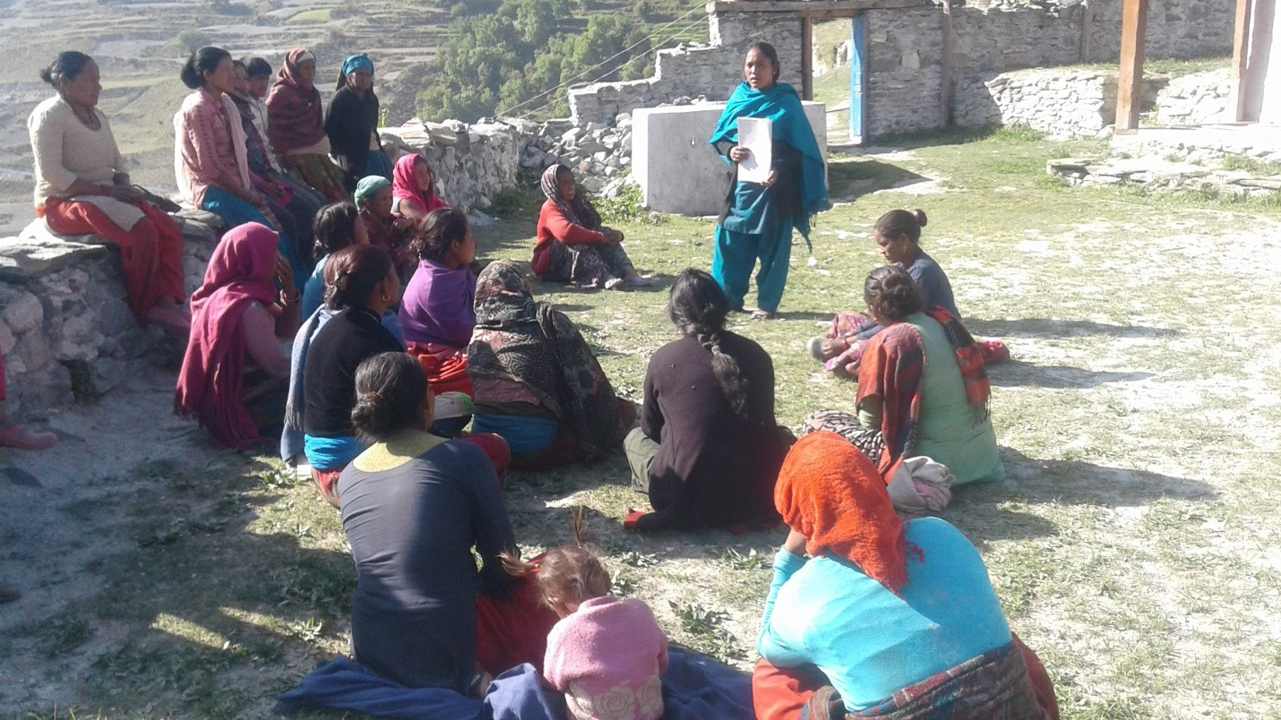
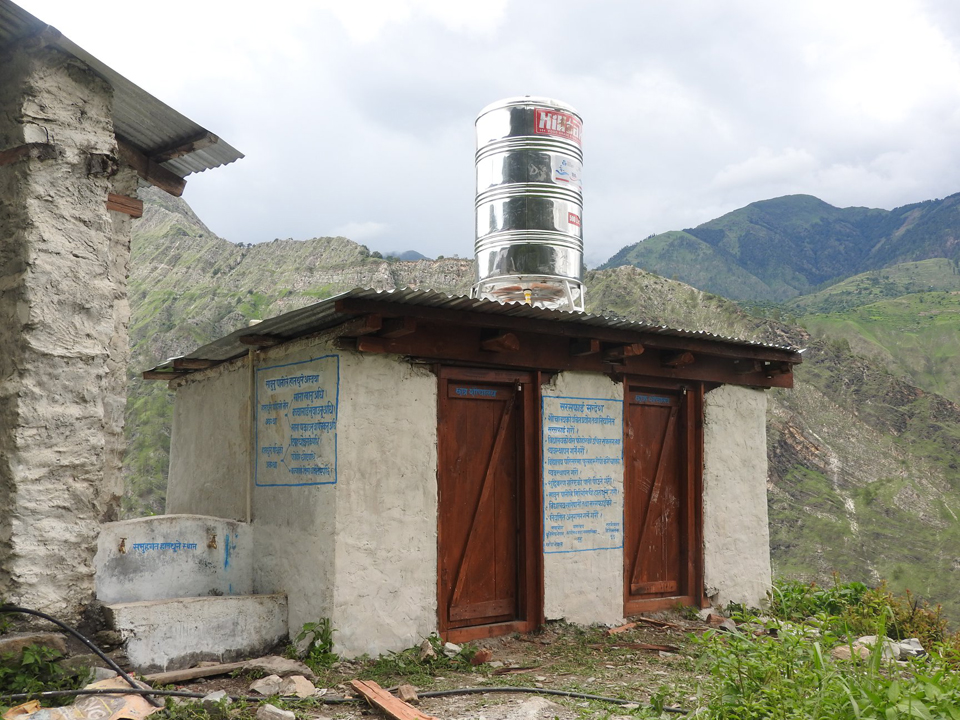
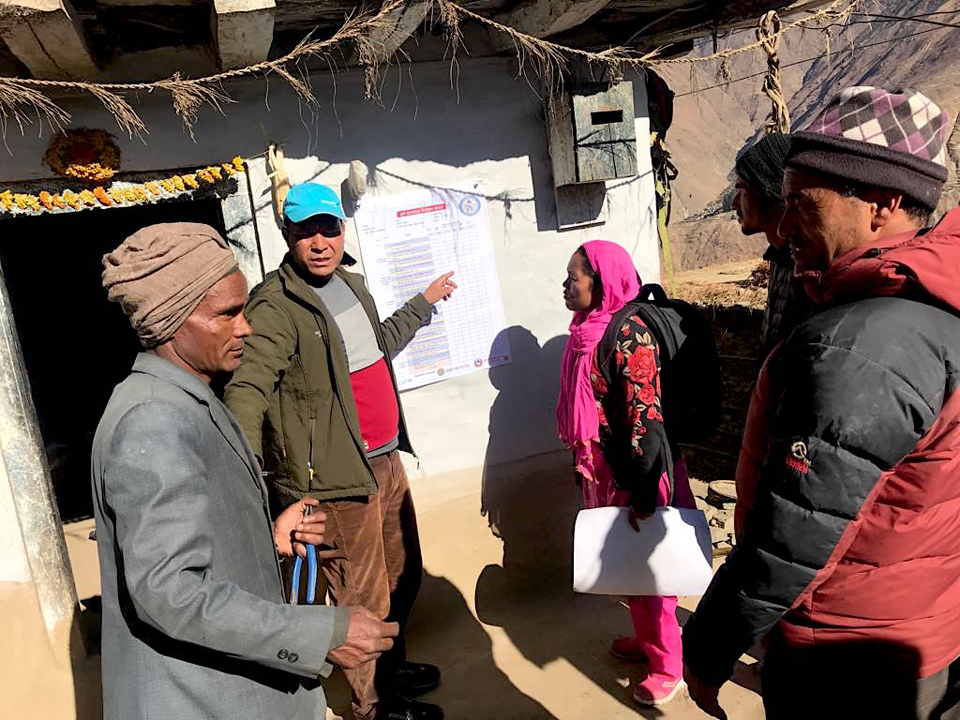
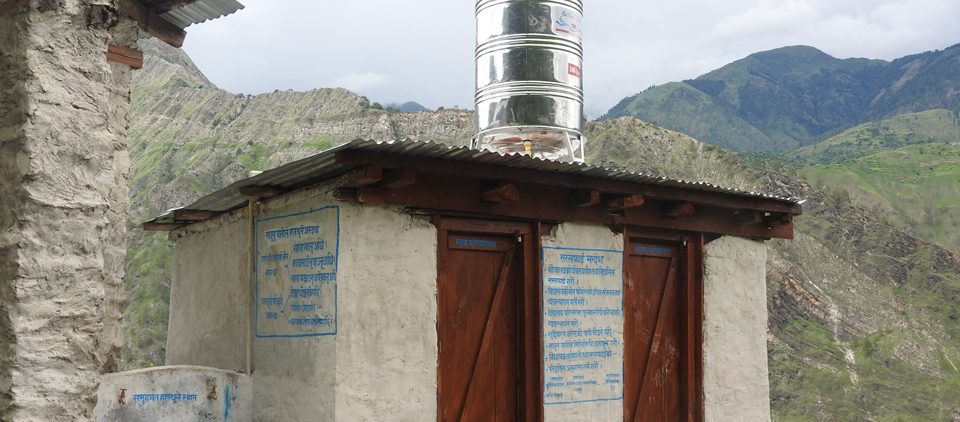
This project has helped six schools from Mugu, seven from Humla and seven from Dolpa to repair, maintain and even build new school WASH-related infrastructure, such as toilets, handwashing stations, water supply connections, water reservoirs etc. Part of this was the development of a 3-star criterion and the components for a sustainable S-WASH practice at school. In addition, 2,005 girls from three different districts were trained in the proper use of menstrual hygiene products and sanitary pad making.
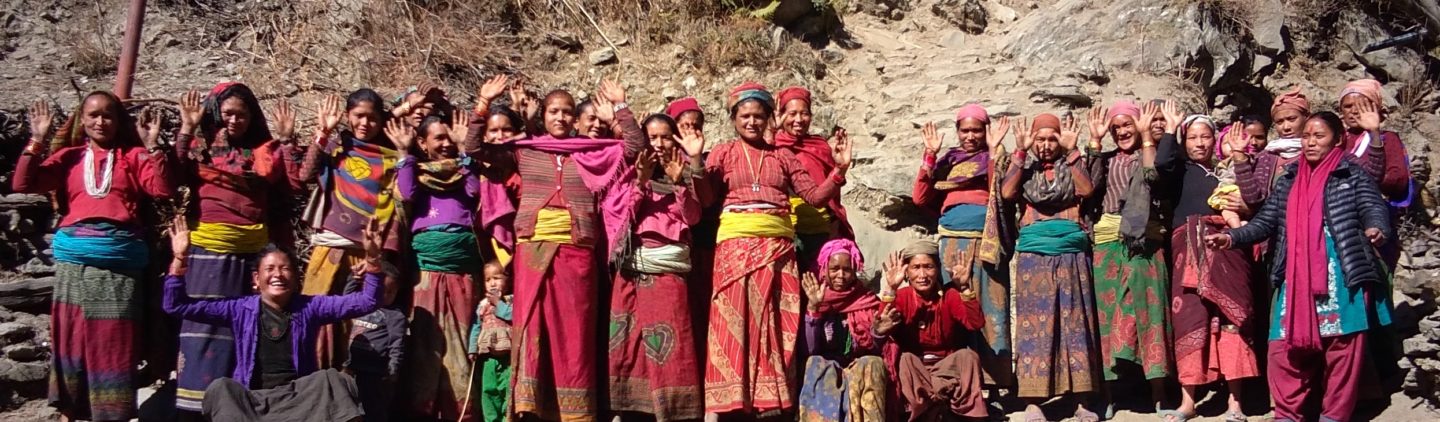
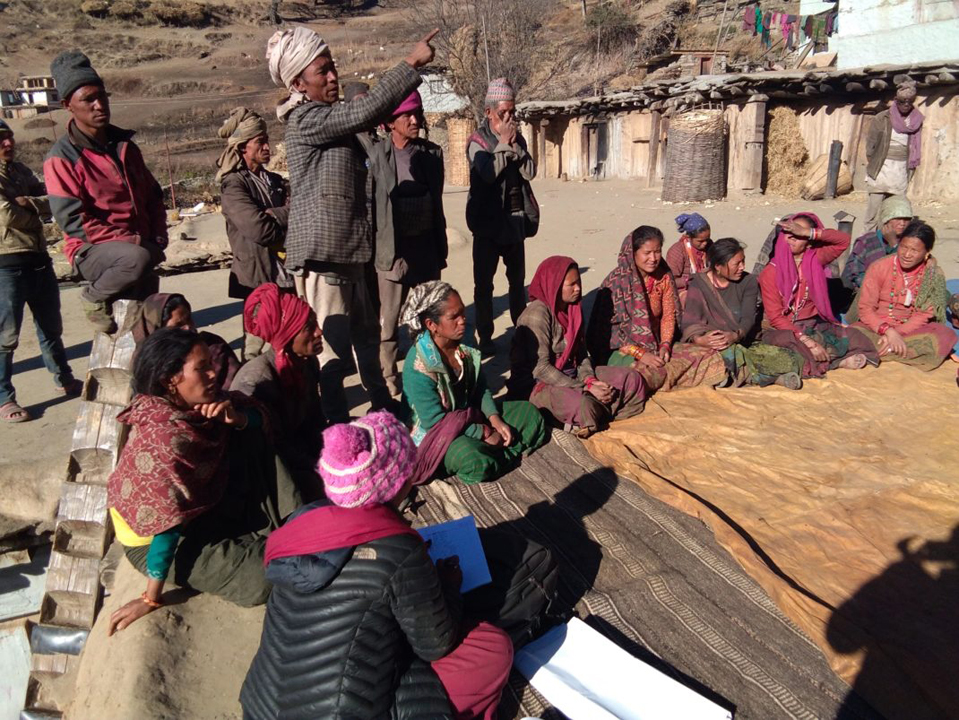
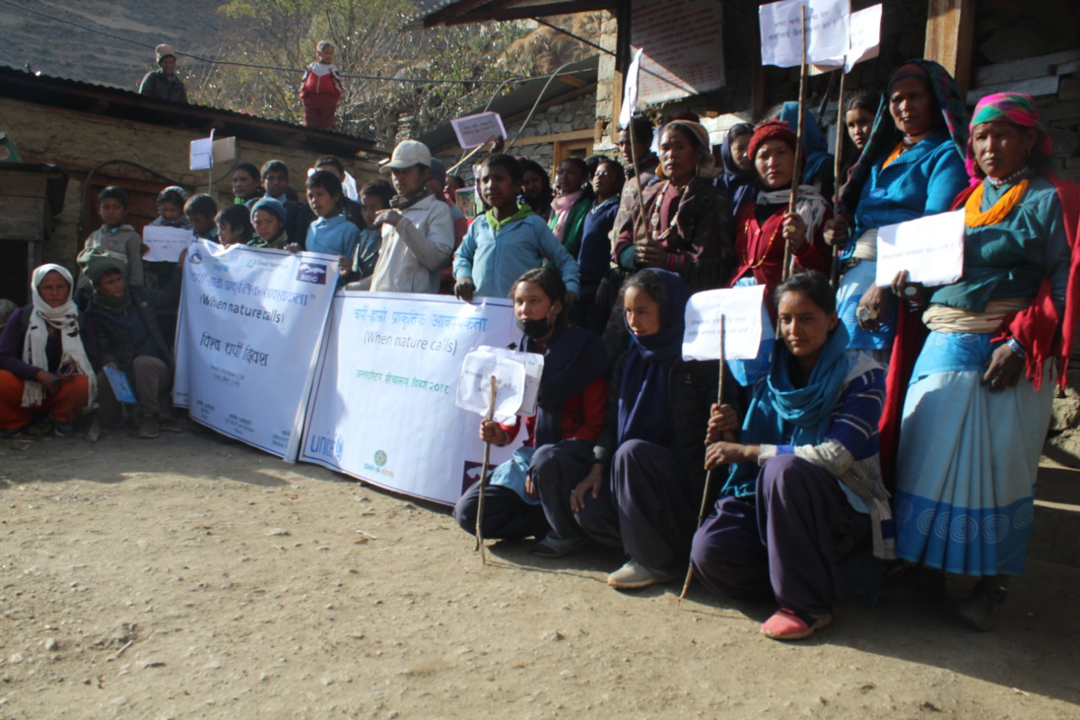
The project was very successful in changing the attitude and behavior of the community and each individual towards total sanitation and personal hygiene management.
Partners:
Photo Gallery