| Project | : | COVID-19 Relief |
| Location | : | All seven provinces of Nepal |
| Project Partners | : | Chay Ya International, private donors, Carnevali Foundation, Tuesday4Rice, Dautari, Sunaulo Sansar, Land Vorarlberg, Land Tirol, Karl-Zünd-Stiftung, Carisimo e.V., Namaste e.V., Pro Nepal, Entwicklungshilfeklub, Roots For Life |
| Project Features | : | Chay Ya supported Nepal during the COVID-19 crisis by providing protective gear for health workers and distributing food to vulnerable families. |
| Construction Modality | : | |
| Support Period | : | 2020 - 2021 |
| Current Status | : | Completed |
The year 2020 will be marked by the worldwide spread of the new SARS-CoV-2 virus and the subsequent severe lung disease COVID-19. What originated in China at the turn of 2019/20 spread from Asia to Europe, then to North and South America, Africa, the Arab world and back to the South Asian countries. Already on 11 March 2020 the WHO declared the previous epidemic a pandemic.
In order to prevent or at least slow down the further spread of the virus, massive cuts in daily life were made in the course of the pandemic in a wide variety of countries. Also in central European countries there were tens of thousands of infected people and thousands of deaths and of course, the economic consequences are still felt here, but the support provided by the welfare state (e.g. the possibility of short-time work) alleviates some individual fates.
Unfortunately, such possibilities do not exist in countries of the global South.
The situation in Nepal
On March 24, 2020 the Nepalese government introduced a nationwide, absolute curfew – the so-called lockdown – for fear of a further spread of the coronavirus which lasted until July 21, 2020.
People were only allowed to leave their homes from 6°° to 8°° in the morning to buy food. Anyone who violated these rules without good reason (e.g. a visit to the doctor) was prosecuted and punished by the police – even physical violence was used frequently.
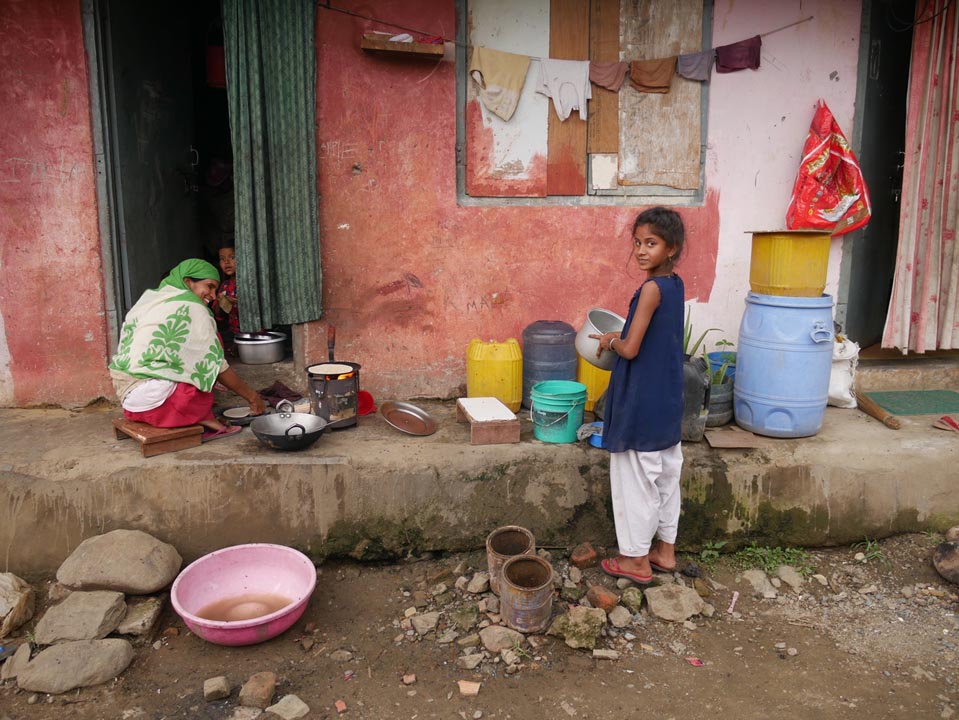
Day labourers have been robbed of their income, hunger and poverty spread throughout the country. People were not allowed to go to their fields to bring in the harvest. Tourism, an important source of income, came to a complete standstill – the government suspended all regular international scheduled flights.
The official numbers of infections and victims is not very high, but in a country with very limited health care and testing facilities and many very remote areas, a very high number of unreported cases must be expected.
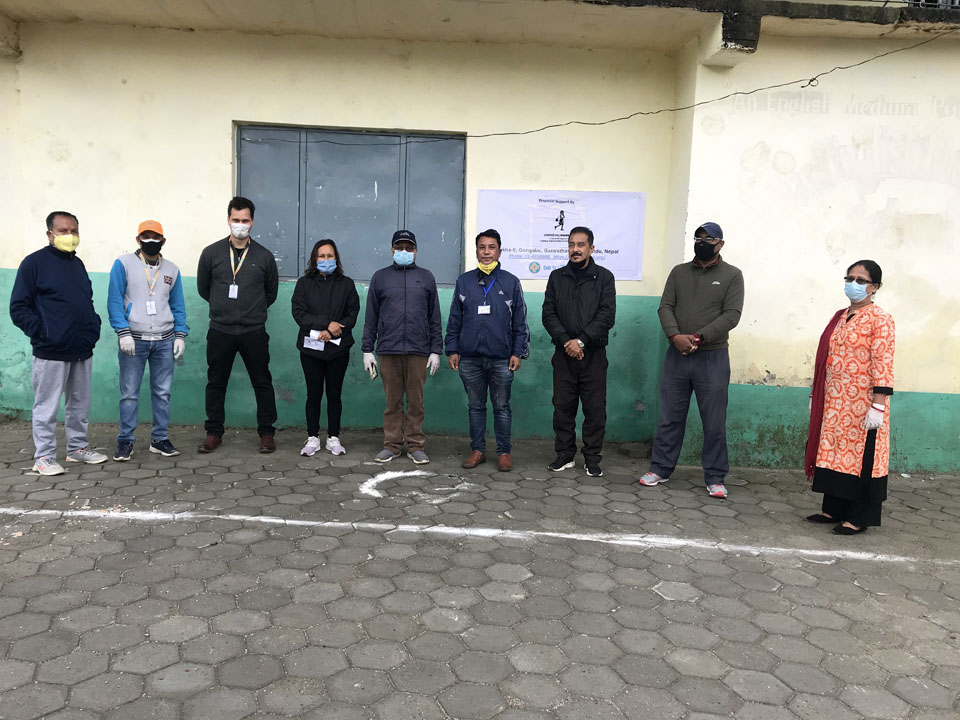
As early as the end of March, Chay Ya tried in a self-organised campaign to obtain protective equipment for health personnel so that at least those who care for the sick could stay healthy themselves. It was possible to buy material, but bureaucratic hurdles delayed the transport from China to Nepal by 7 weeks.
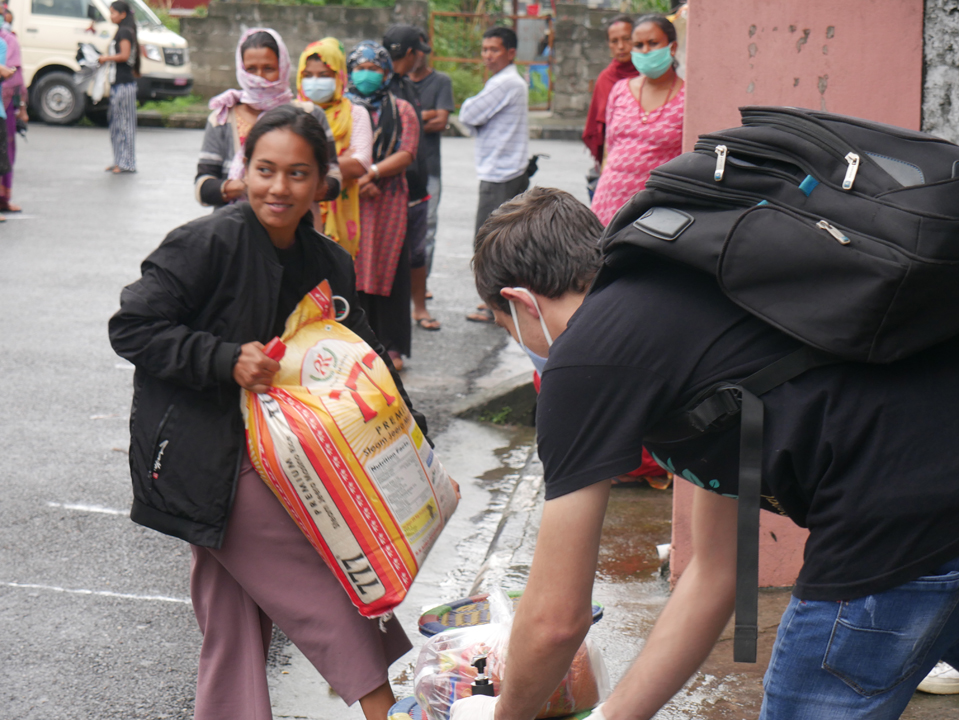
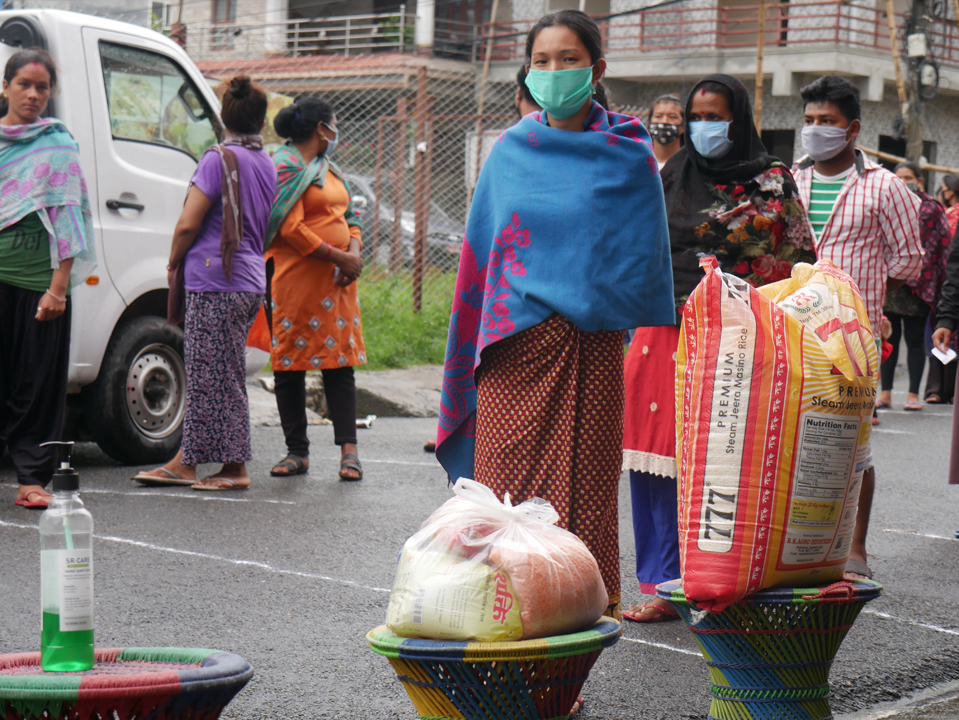
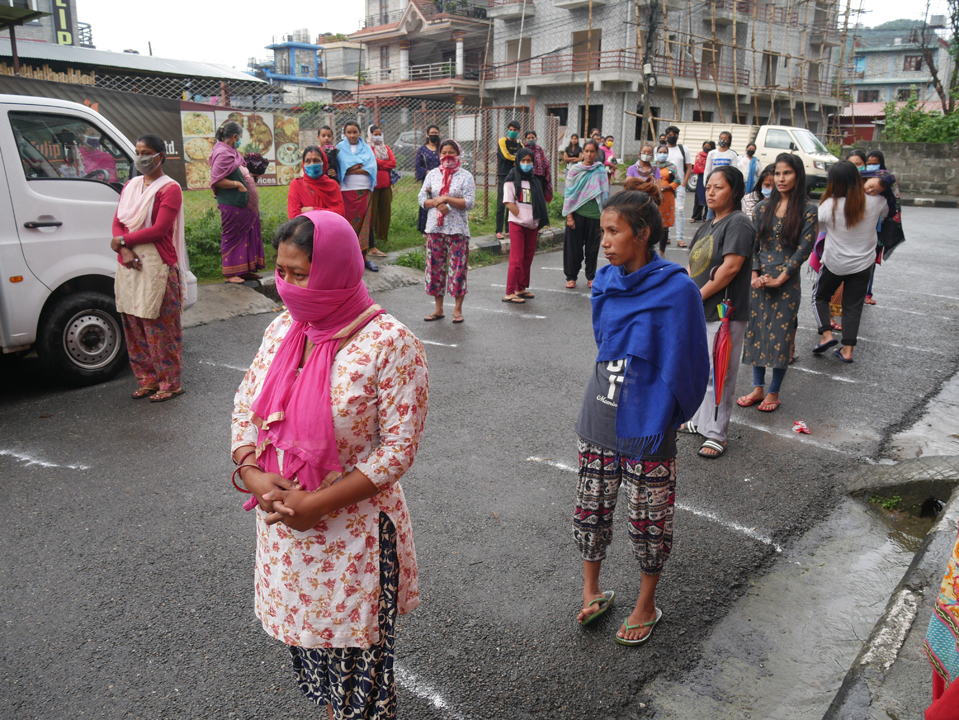
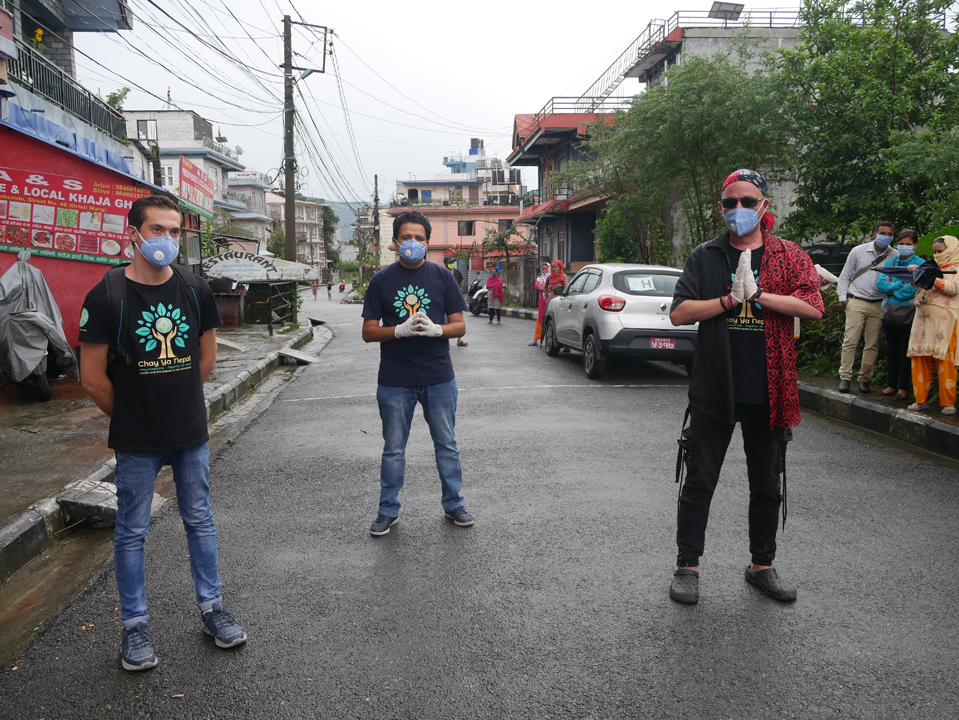
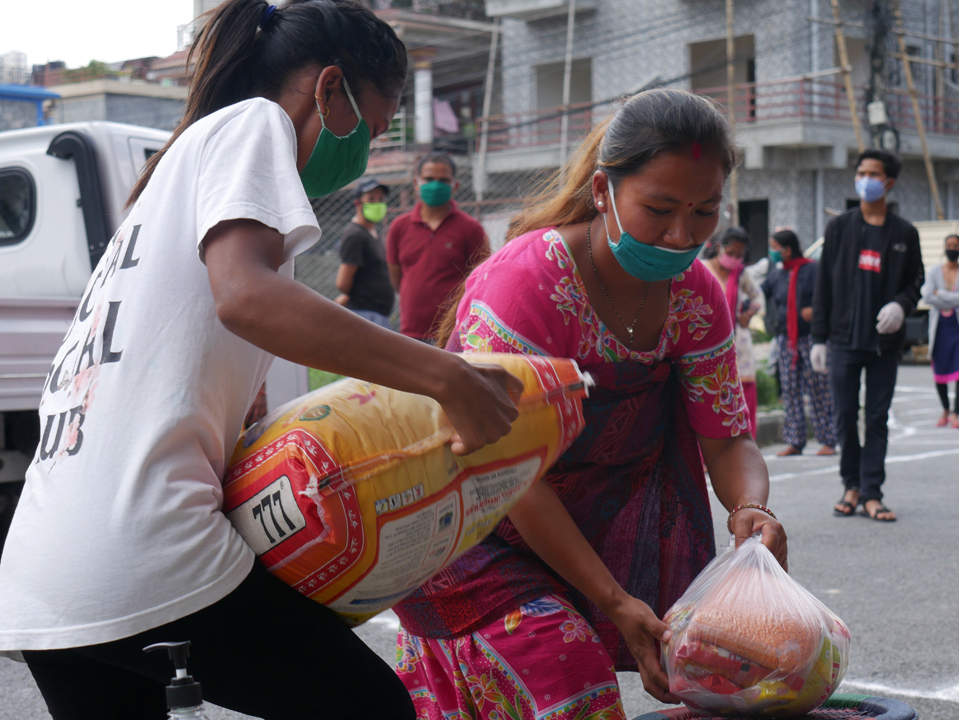
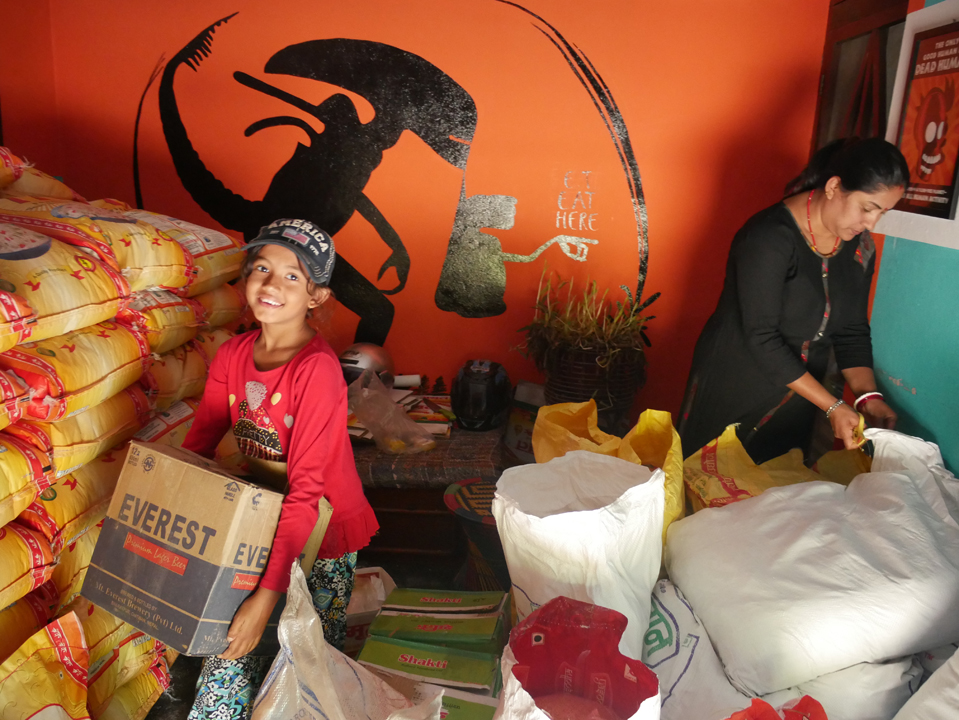
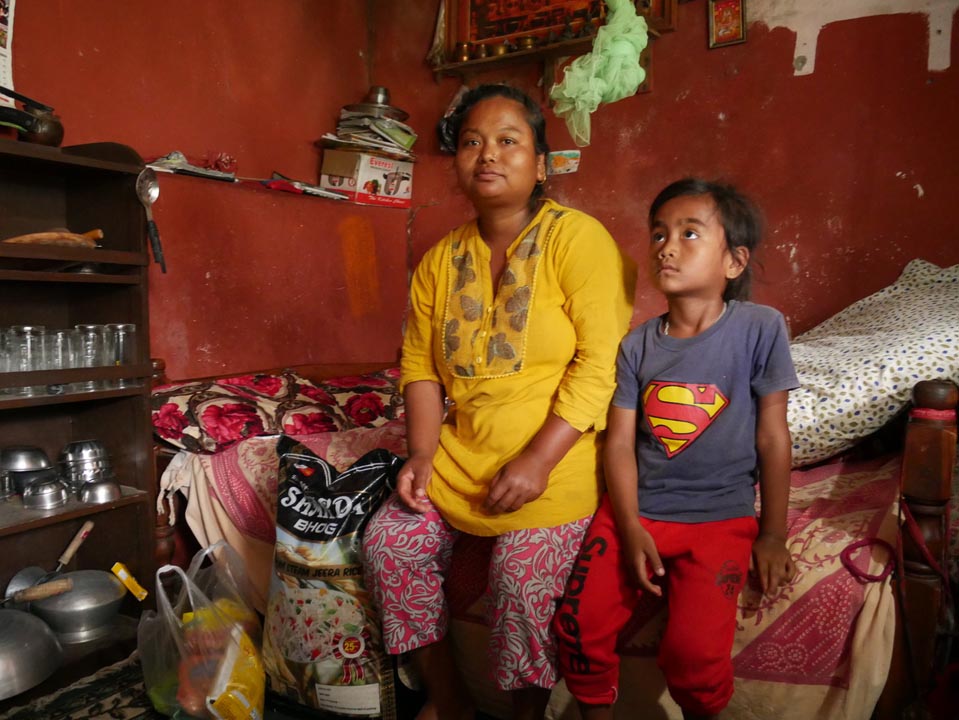
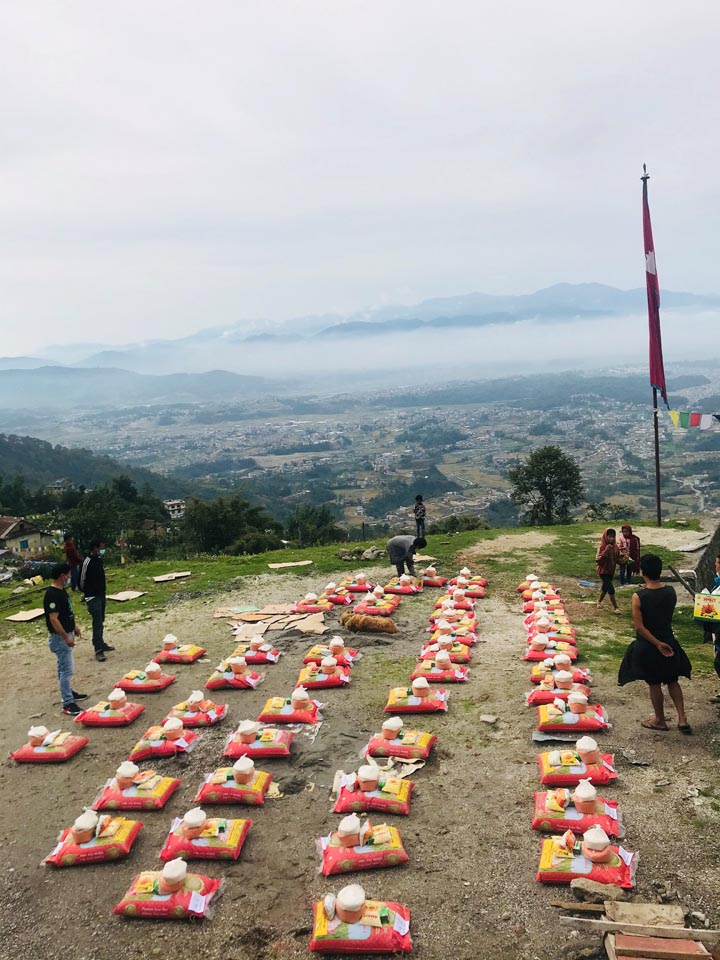
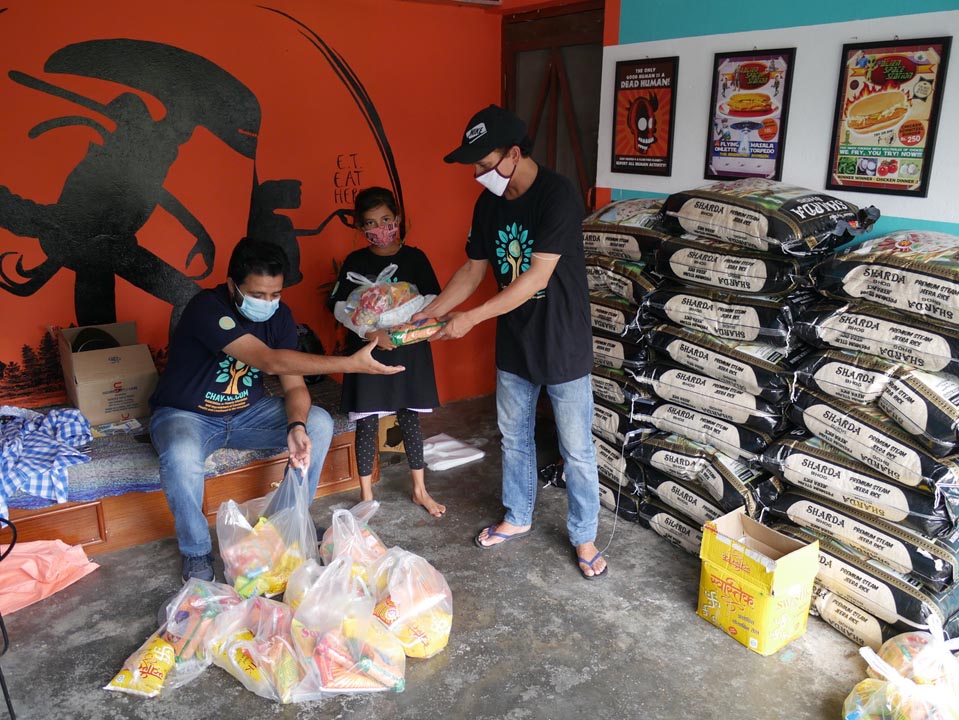
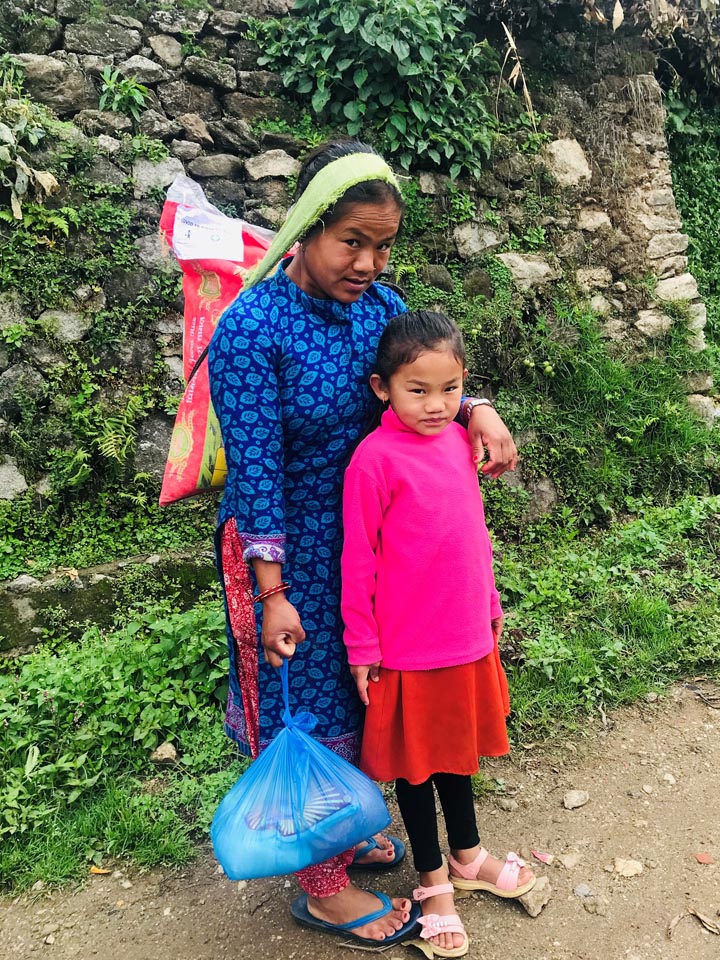
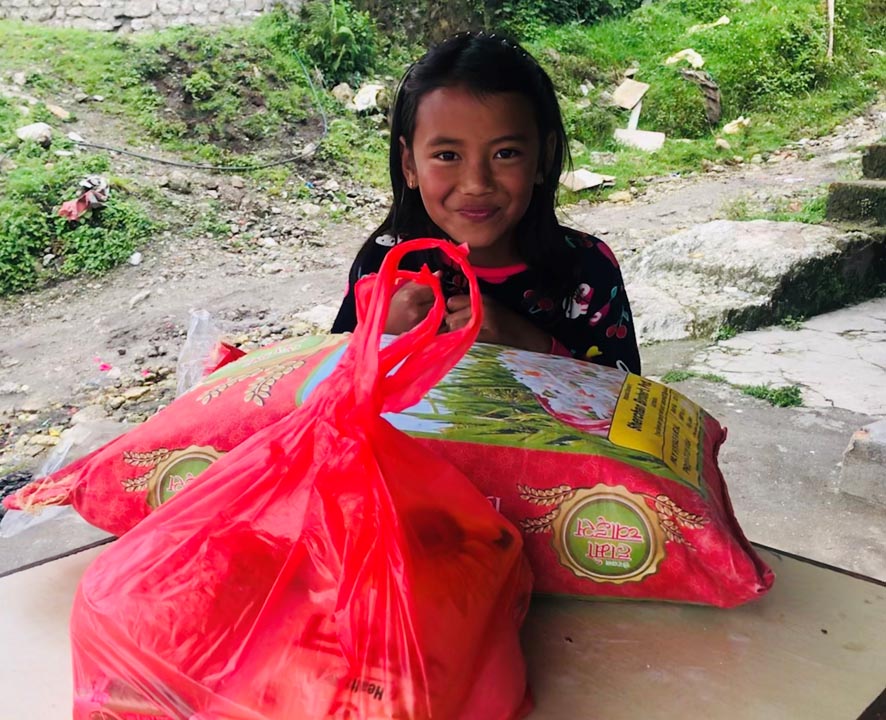
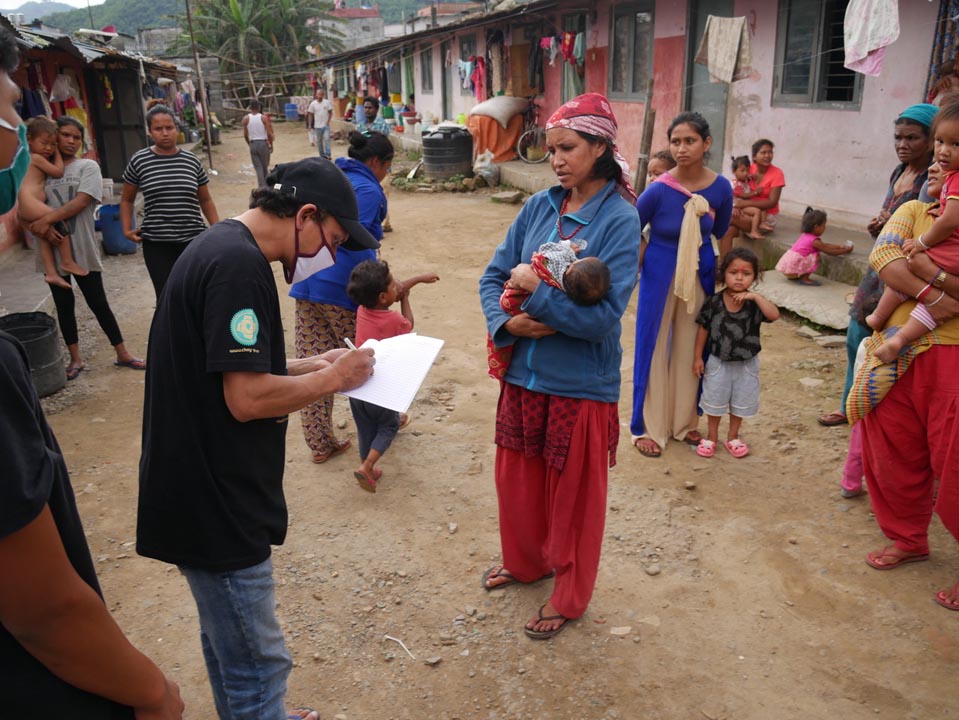
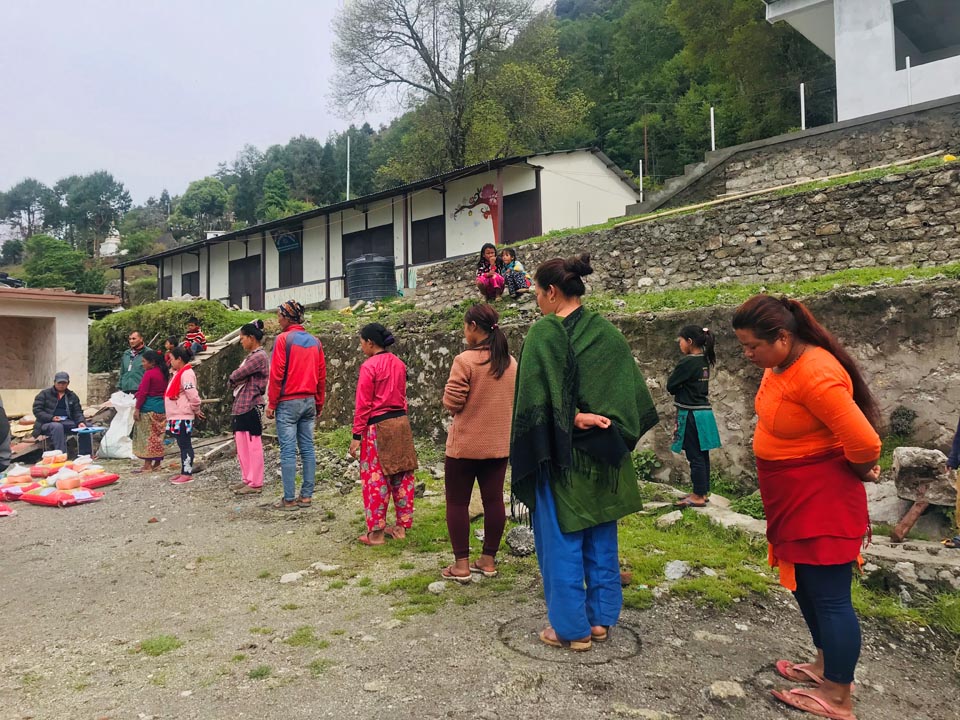
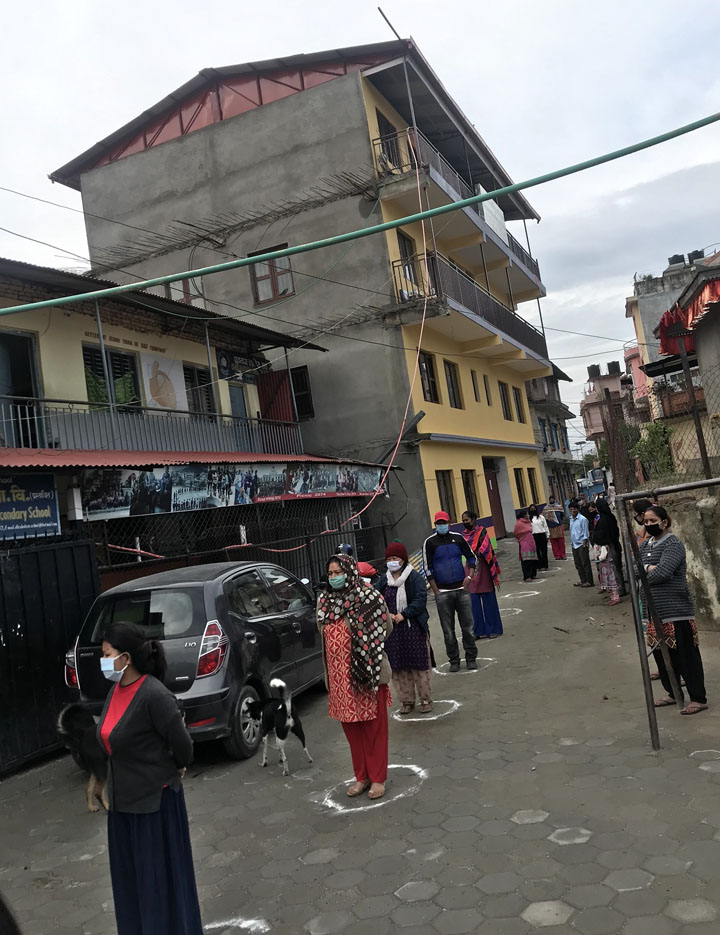
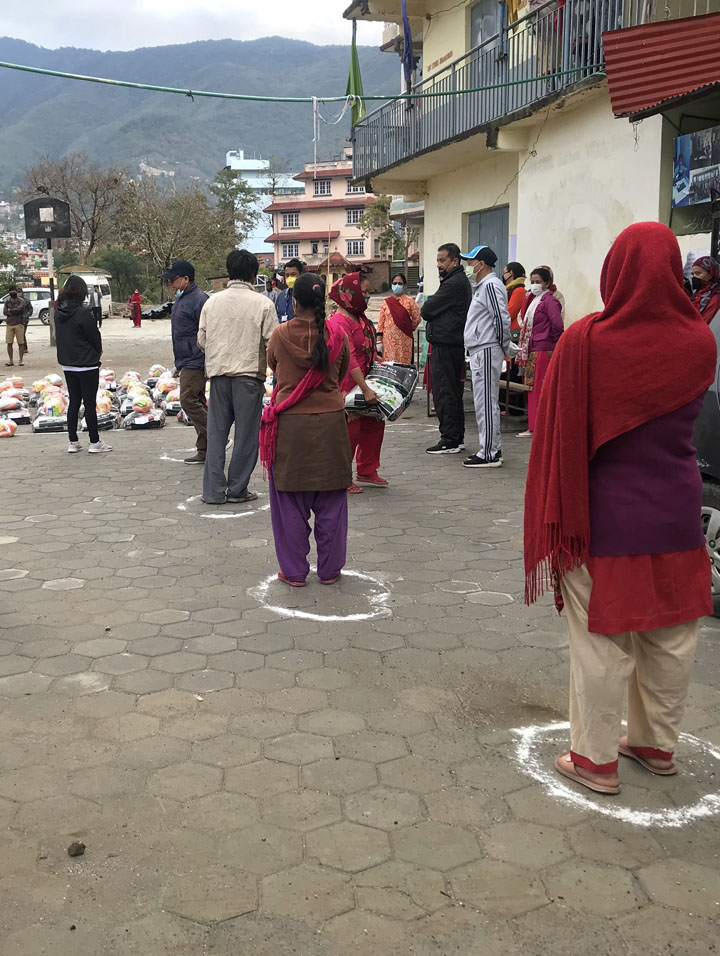
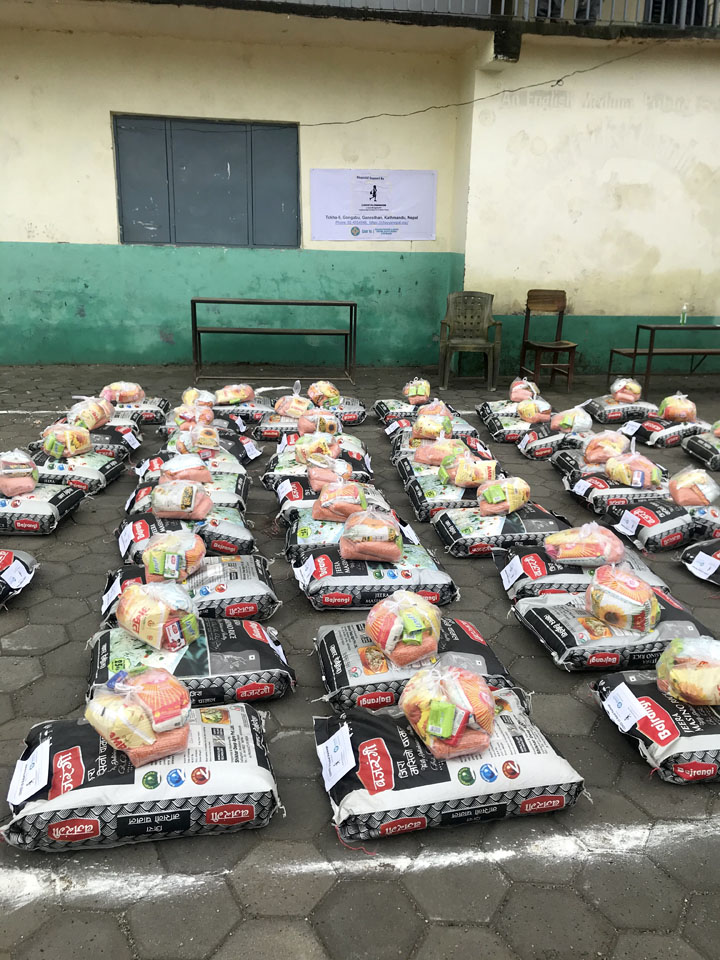
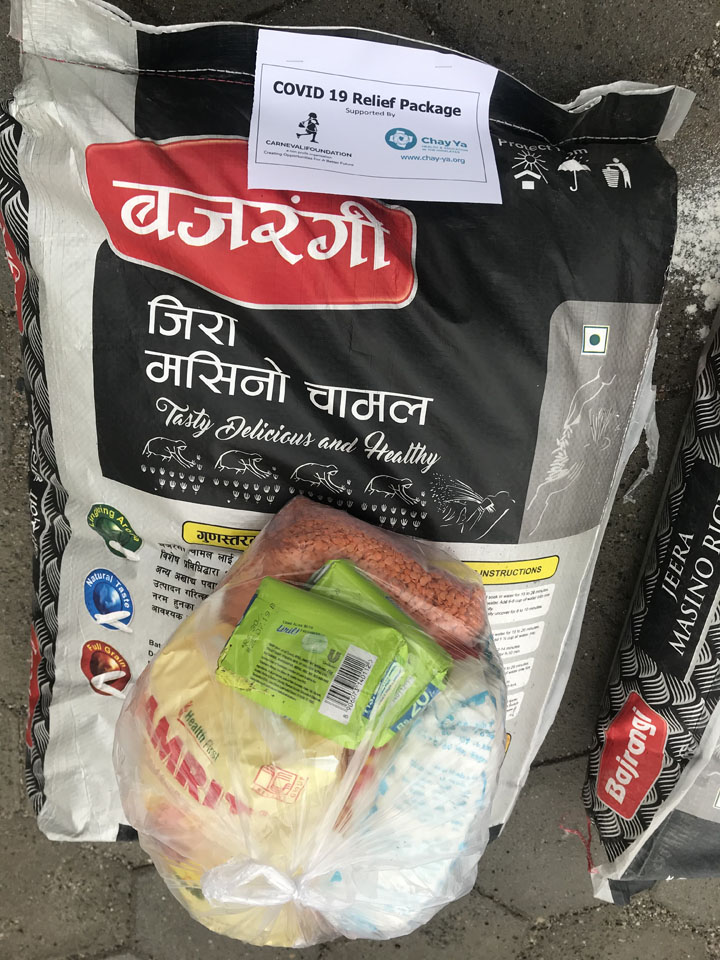
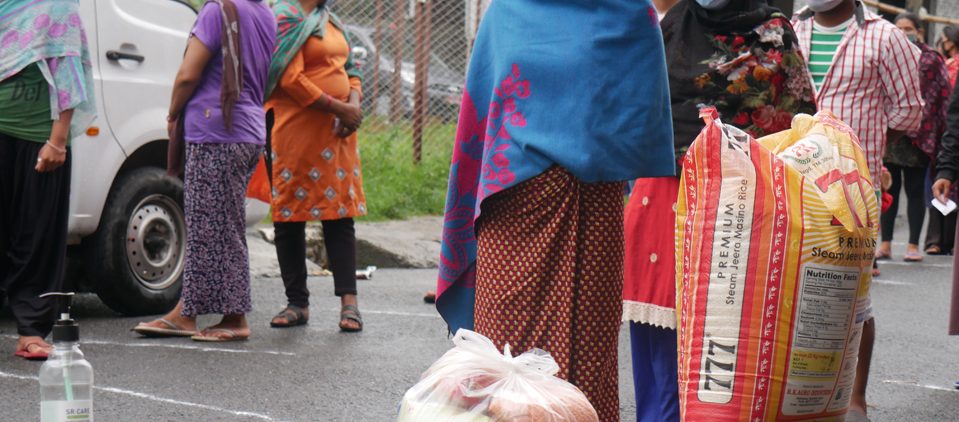
In the meantime, Chay Ya tried again to help the poor directly: In different places, volunteers started to distribute food packages to those in need.
Partners:







Photo Gallery