| Project | : | Organic Model Farm (Mulkot, Dang) |
| Location | : | Mulkot, Ward-4, Tulsipur Sub-Metropolitan City, District Dang |
| Project Partners | : | Schöck-Familien-Stiftung, Chay Ya Austria, Rotary Club, Pro Nepal, DKA, Karl Zünd Stiftung |
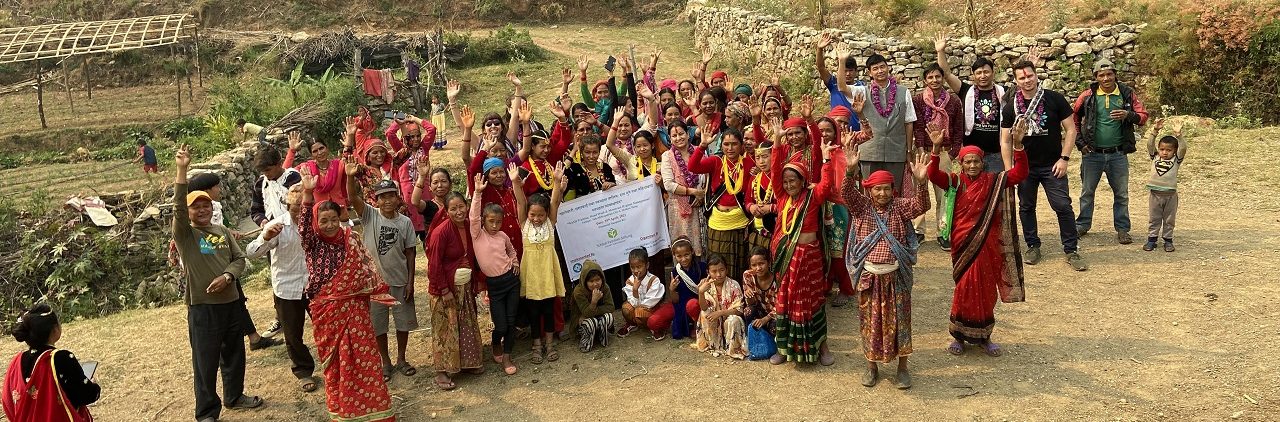
| Project Features | : | Organic farm in Mulkot trained 50 women in farming and business to fight malnutrition and boost income. |
| Construction Modality | : | |
| Support Period | : | 2021 - 2025 |
| Current Status | : | Completed |
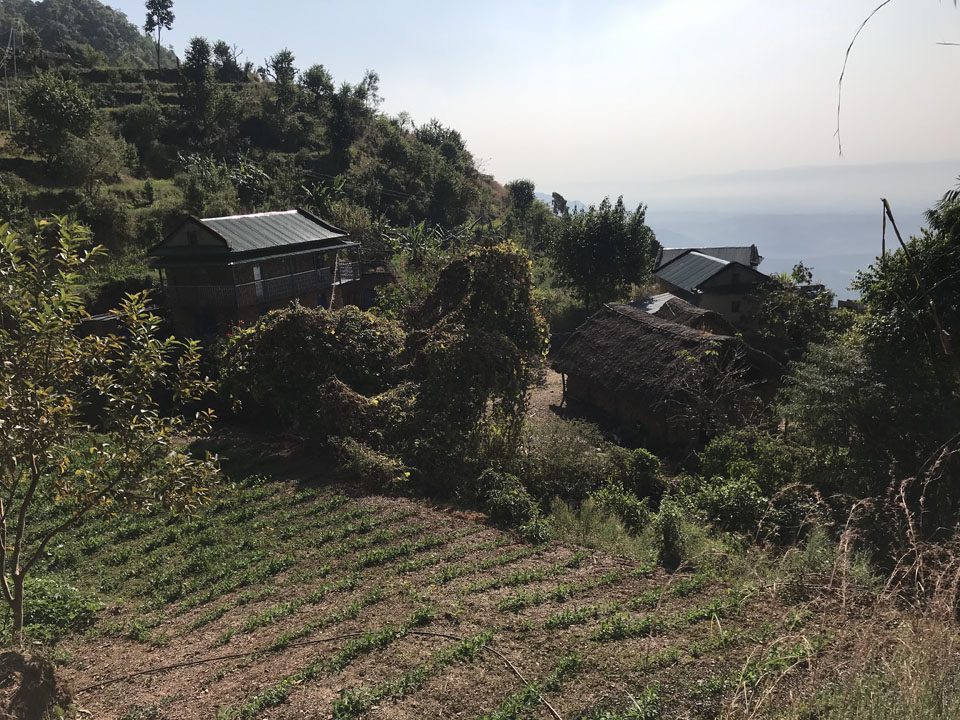
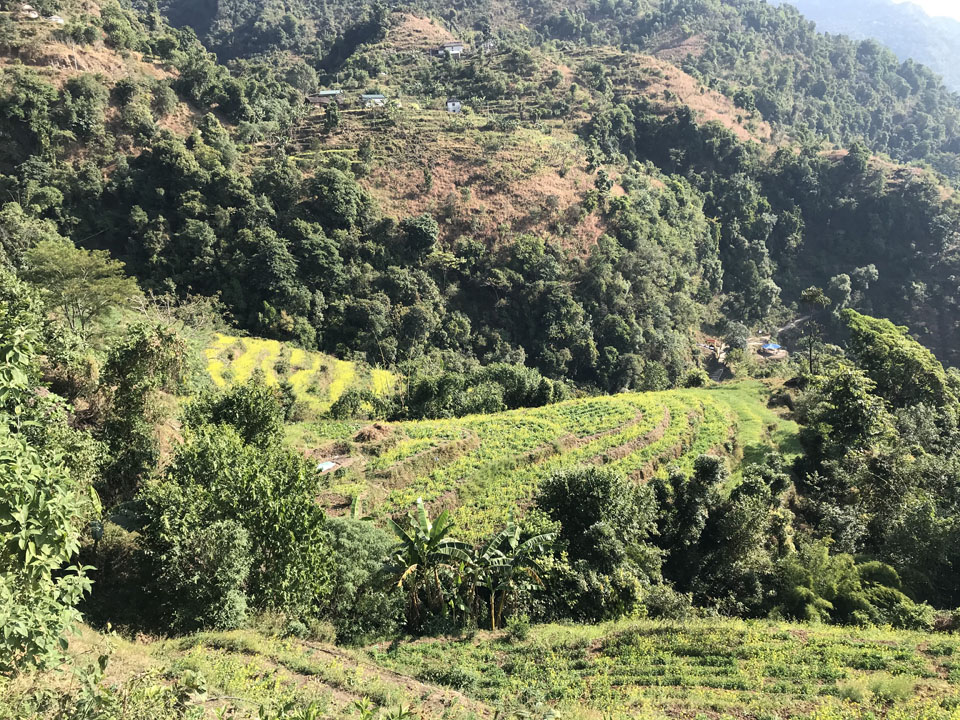
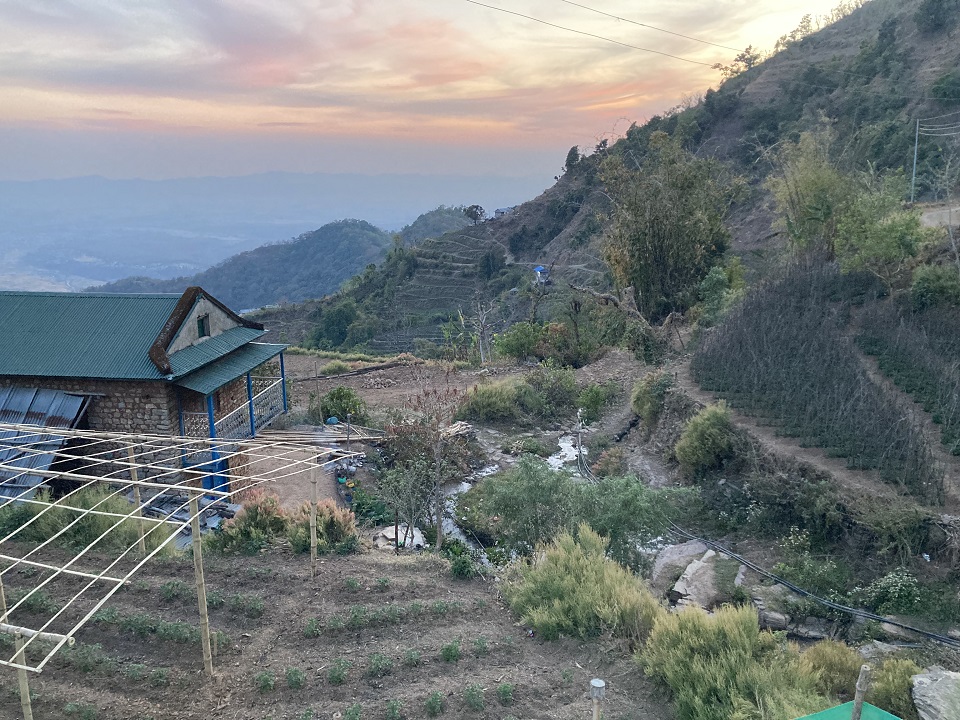
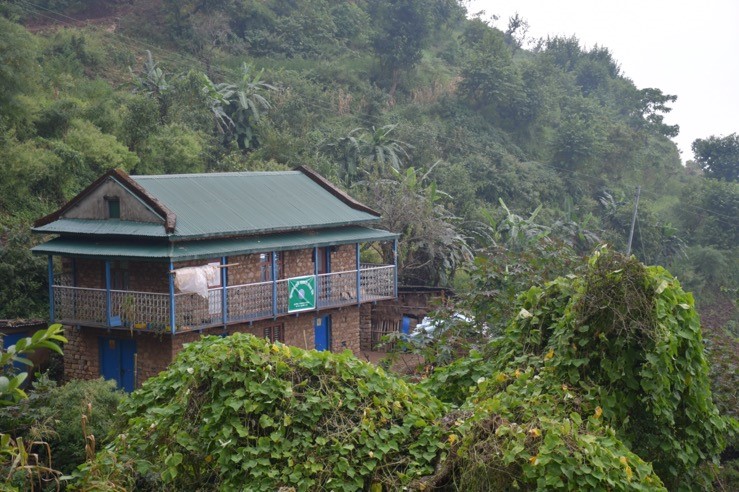
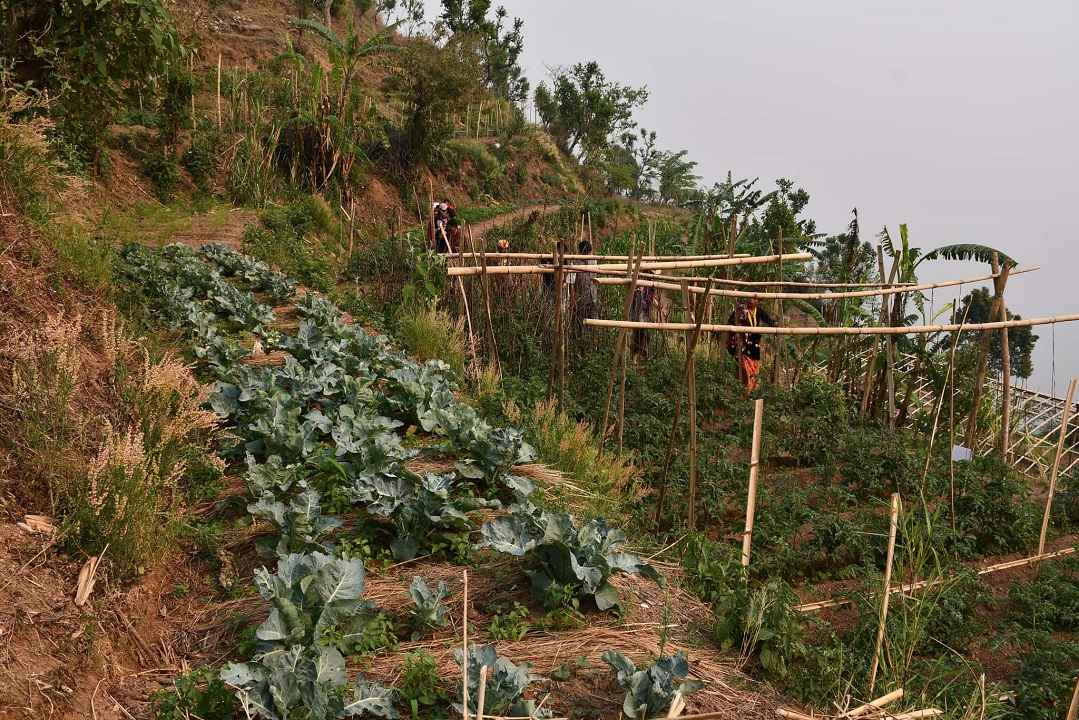
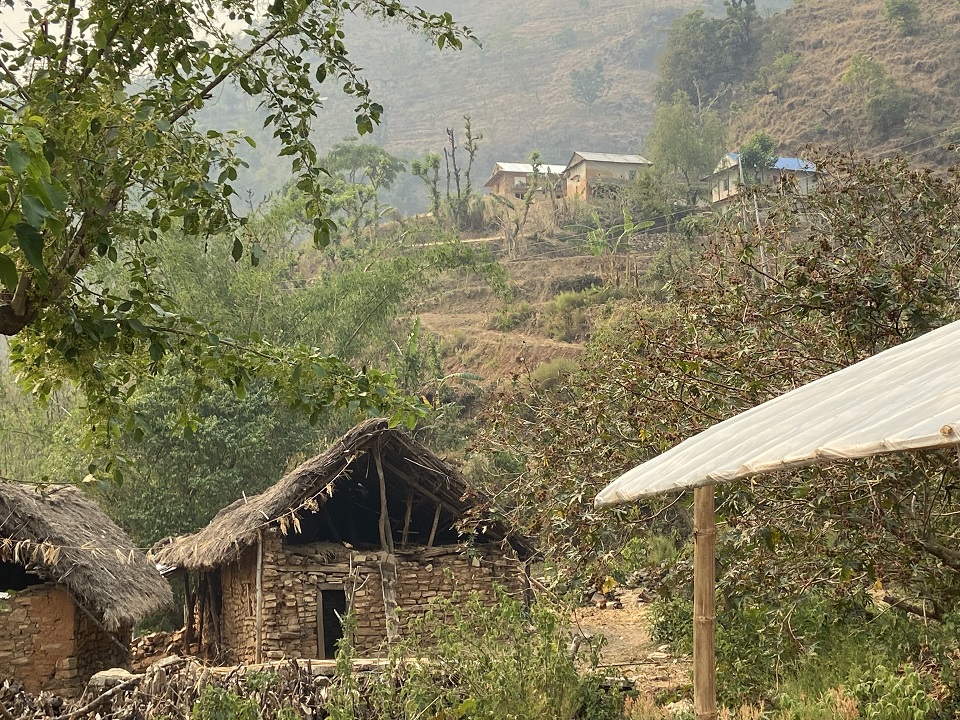
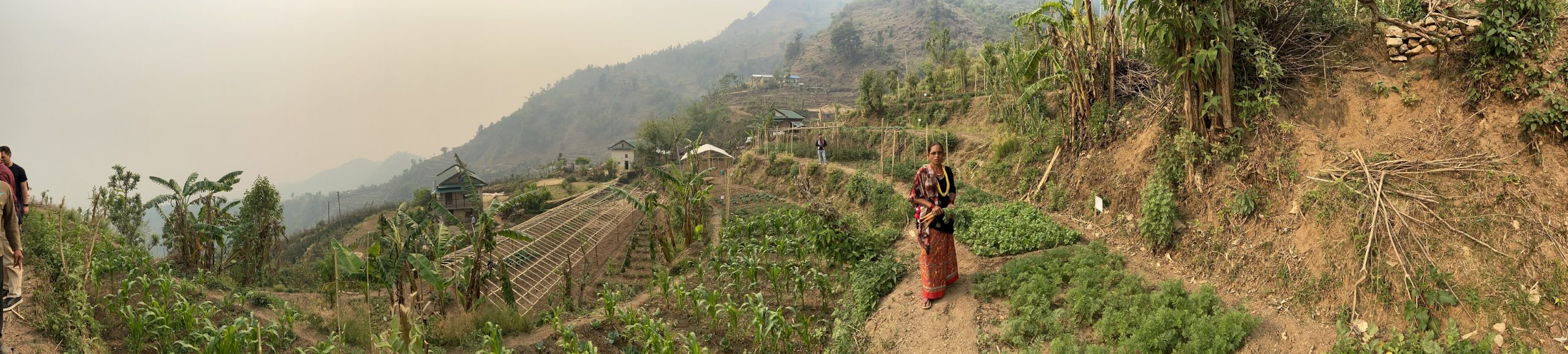
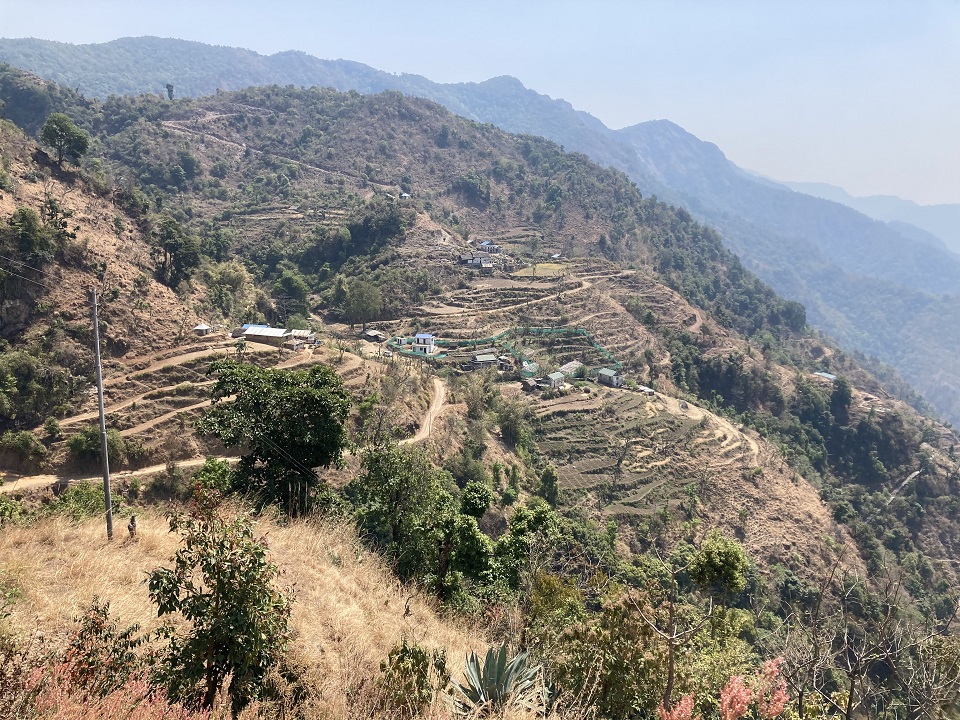
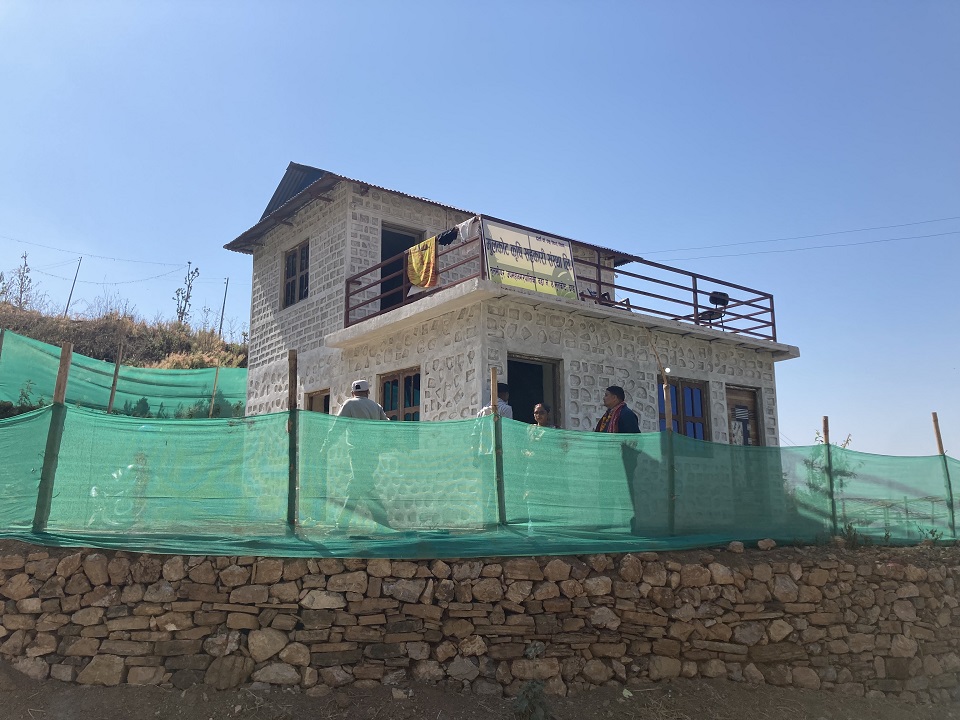
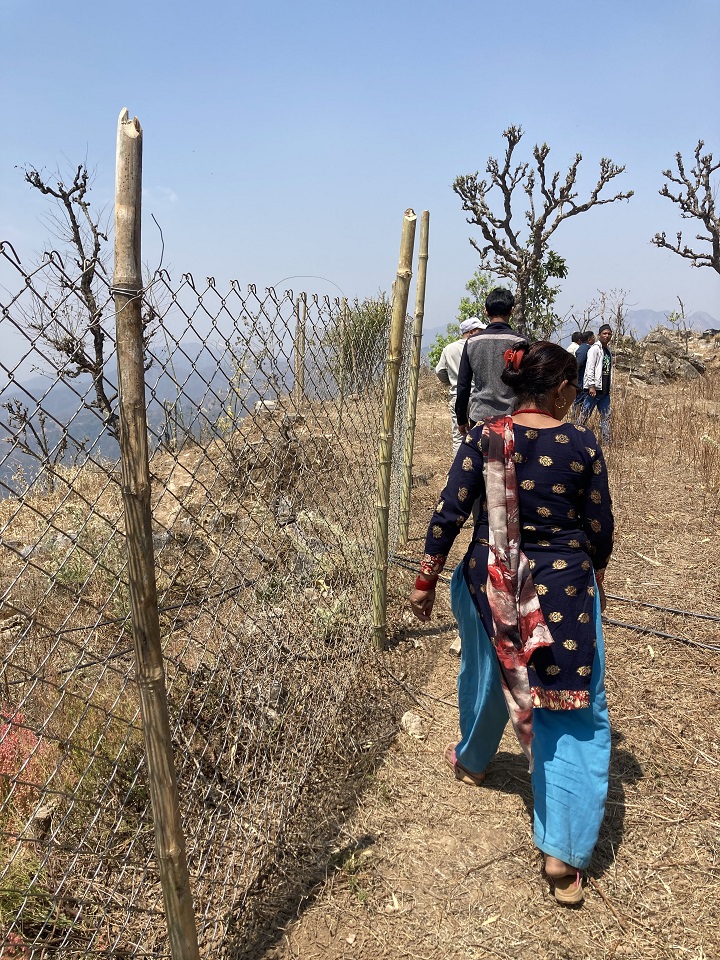
Located in the south-west of Nepal at an altitude of only 1,400 m, Mulkot offers the best climatic conditions for a model farm for vegetable cultivation. Many thanks to the Schöck-Familien-Stiftung gGmbH, who are supporting this project.
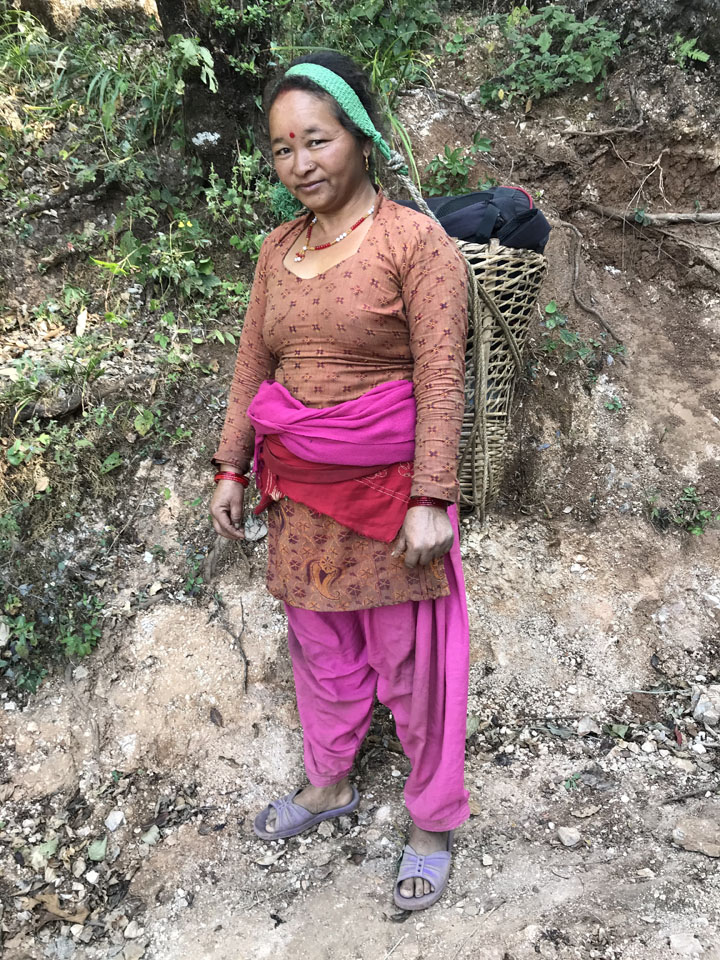
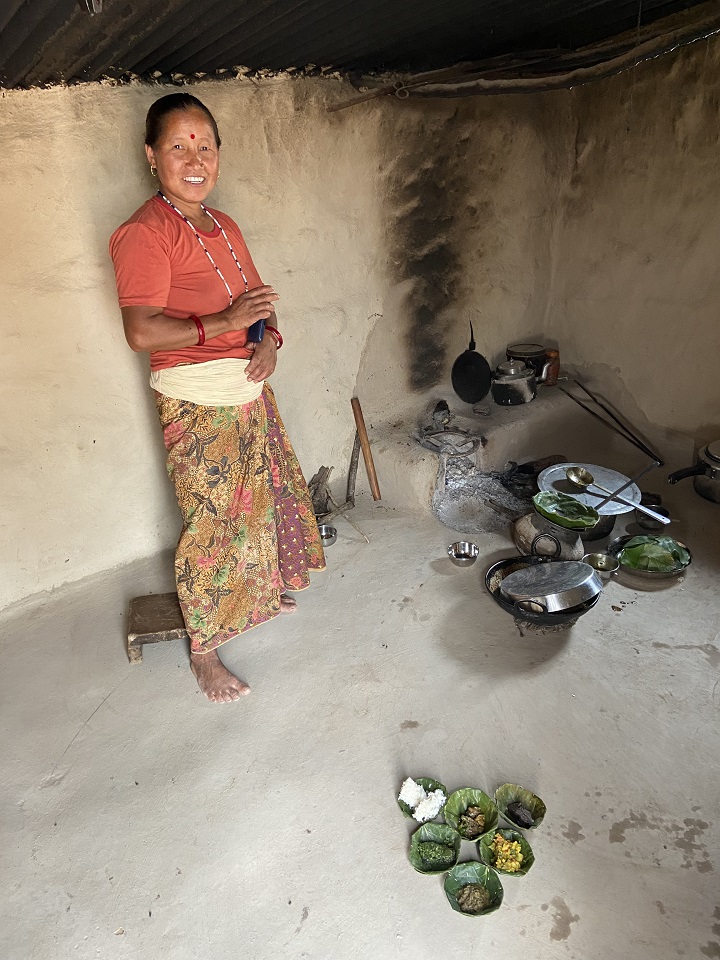
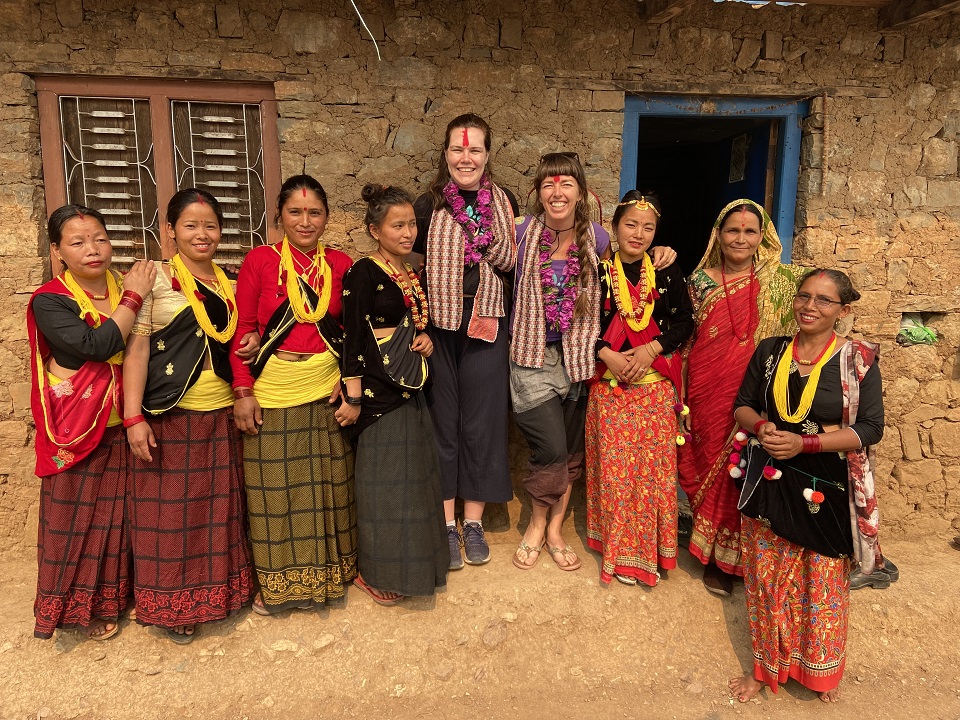
Most of the inhabitants of Mulkot belong to the Magar ethnic group and are characterized by poverty. They survive primarily on subsistence farming, and the lack of diversity means that children in particular suffered from malnutrition and undernourishment. The local population reported a lack of income and opportunities to generate it. There was no infrastructure to sell home-grown produce, as not enough food was produced in the first place and the women did not know how to sell the products. The Covid-19 pandemic had made the situation even worse.
Since the local women had heard about the great success of our organic model farm project in Ghunsa at the inauguration of a school we had built in the area in 2019, they regularly asked the office whether we could start a similar project in their region. As proof of their motivation, the village community independently obtained the necessary permits for the project from the authorities and also received a grant of € 3,000 from the Nepalese government for the period after the end of the project.
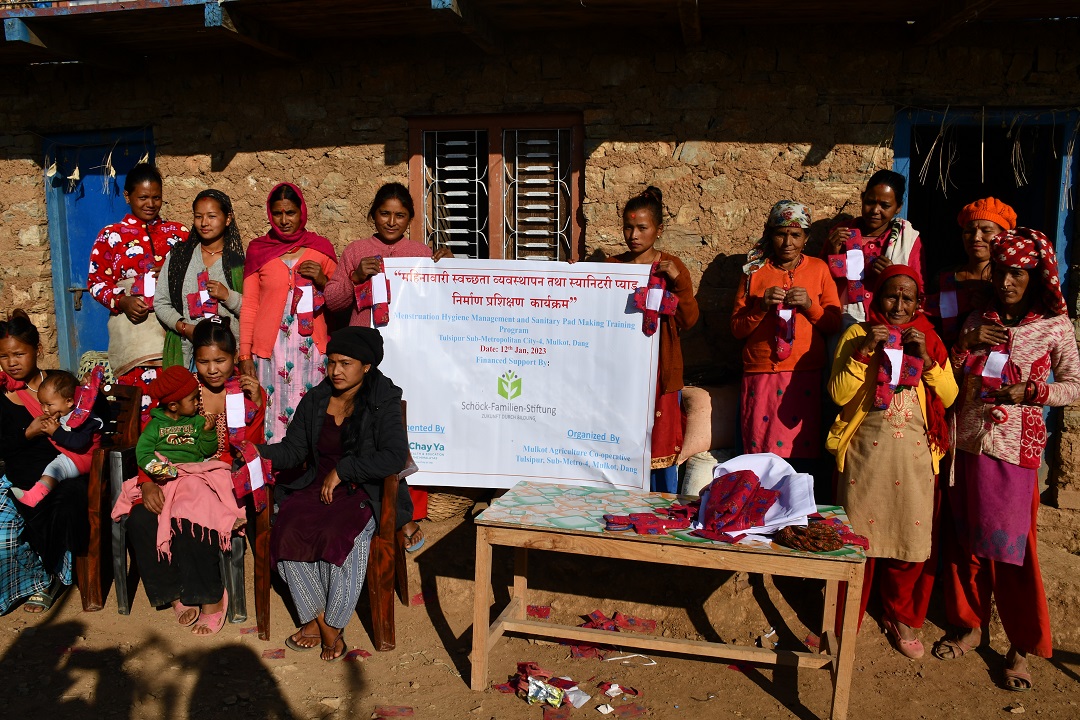
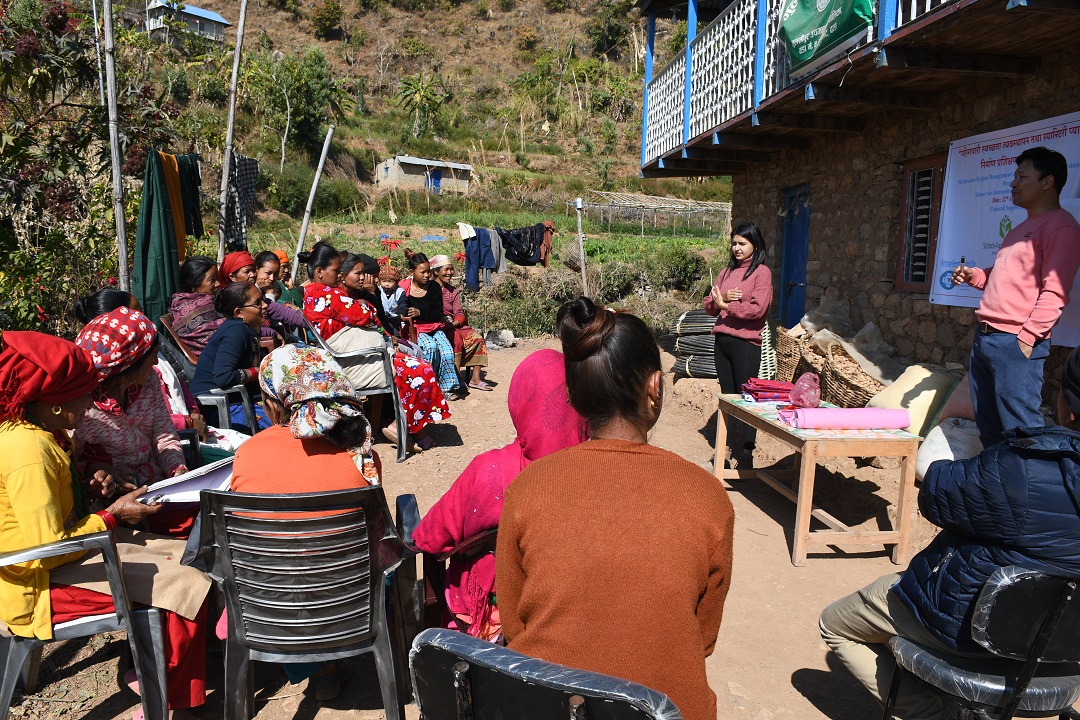
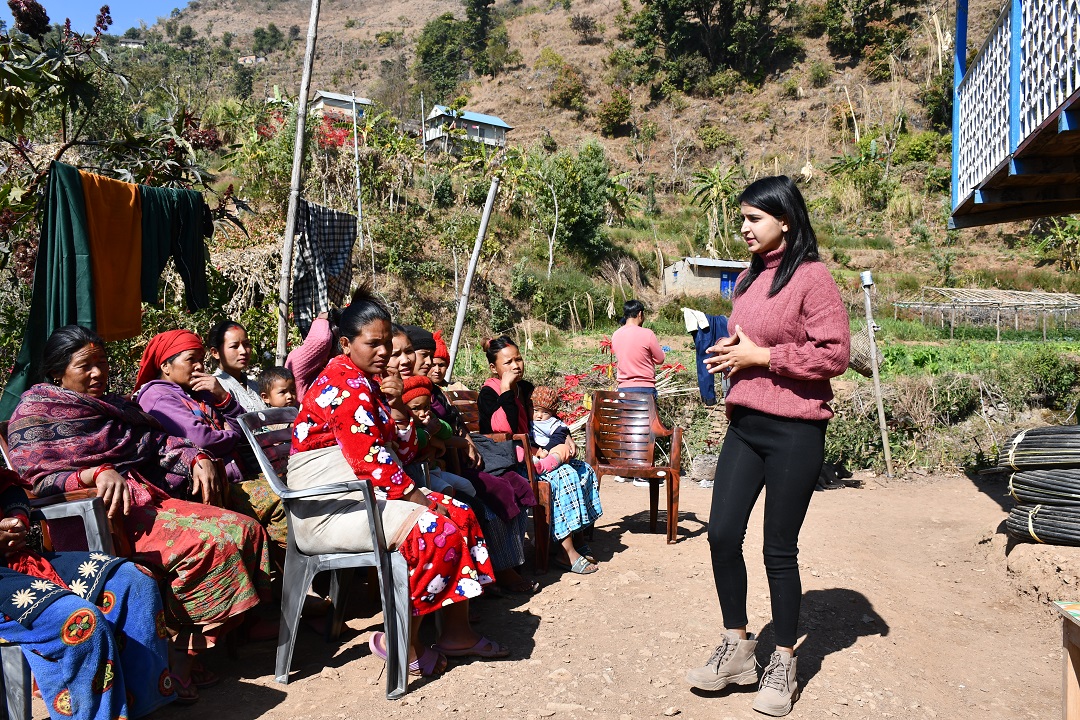
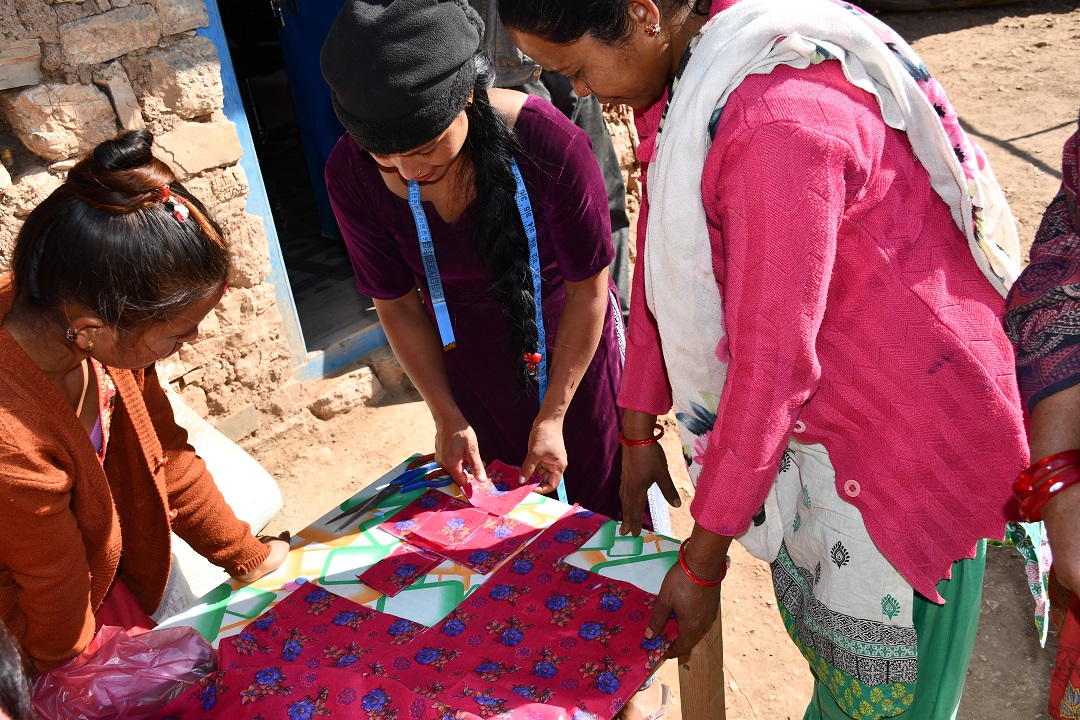
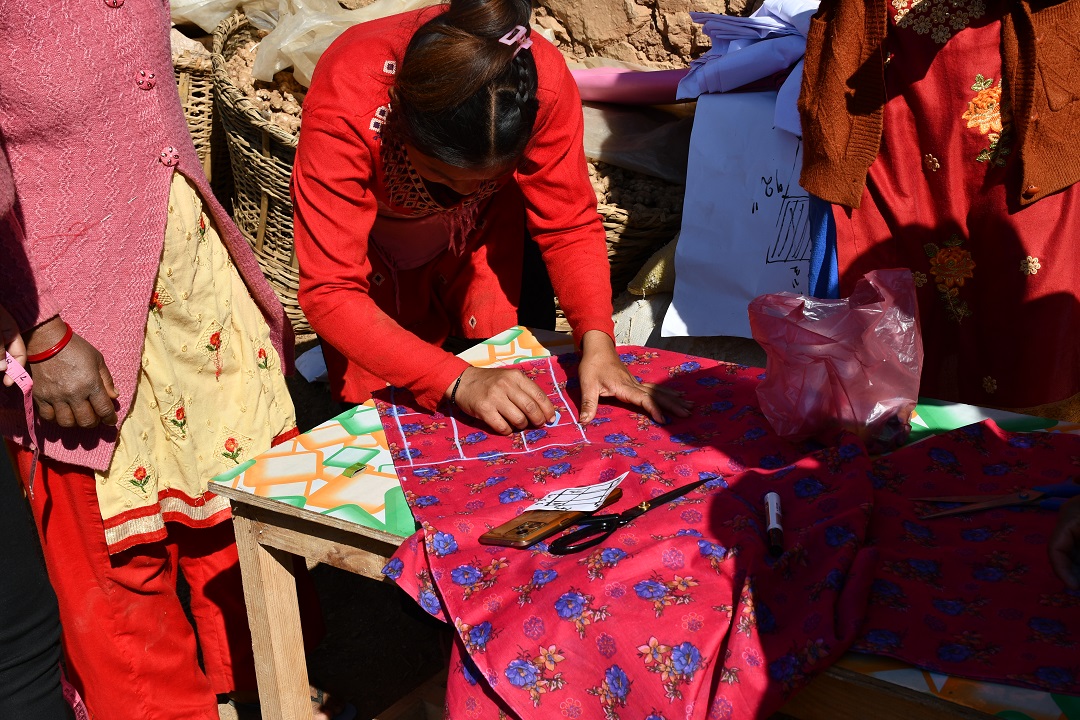
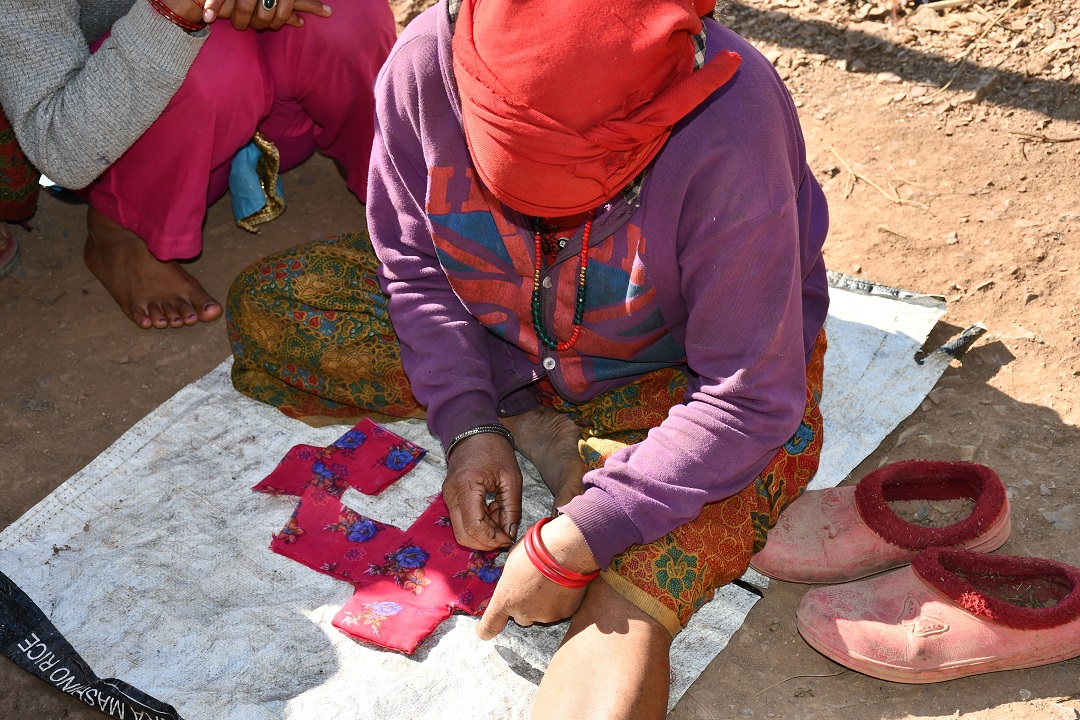
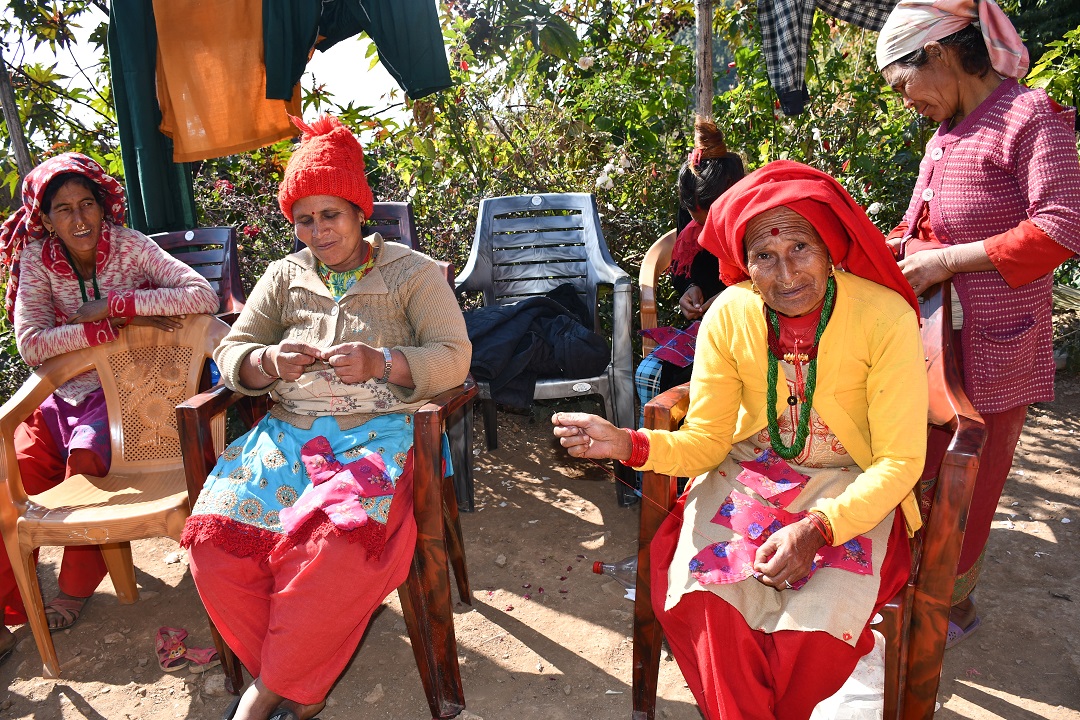
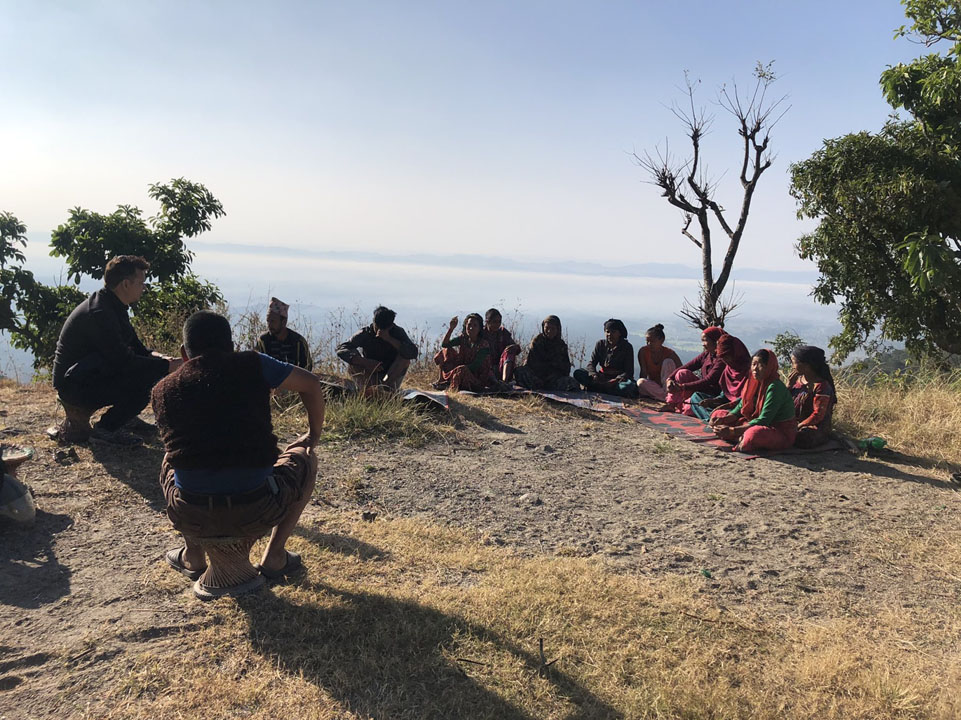
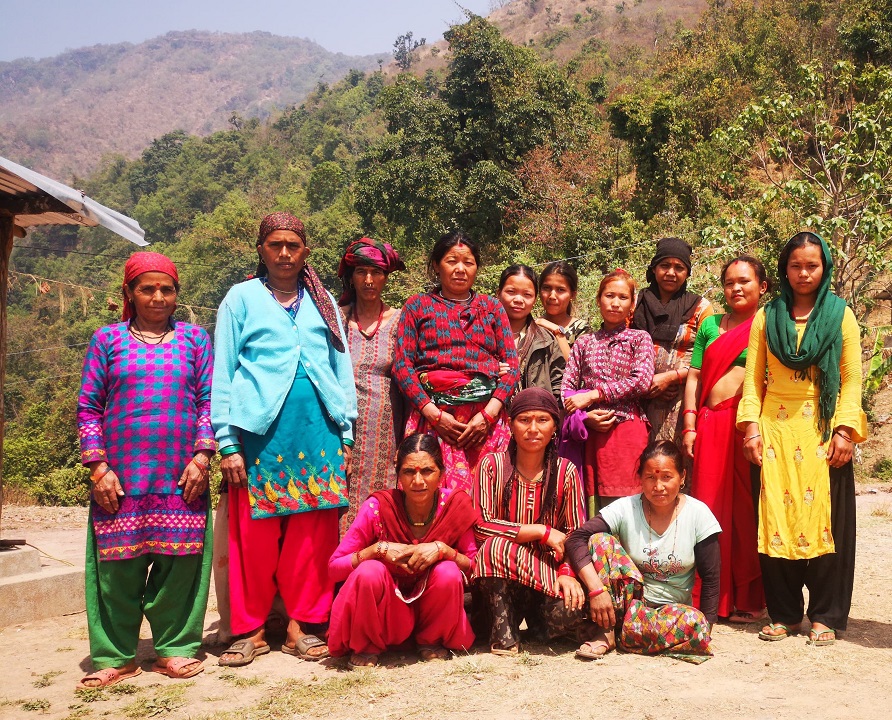
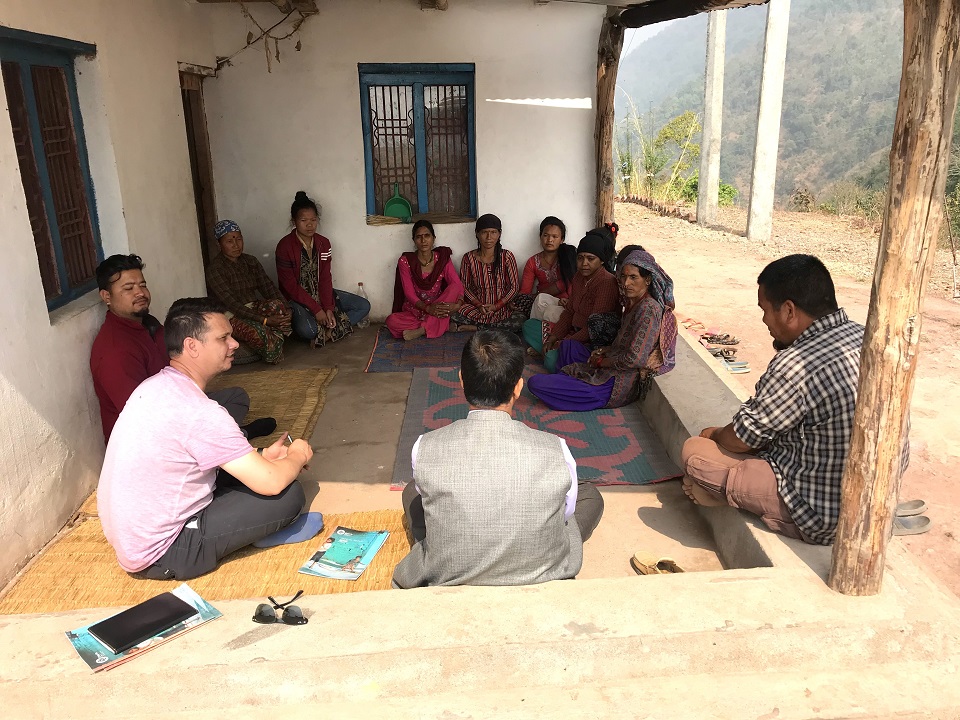
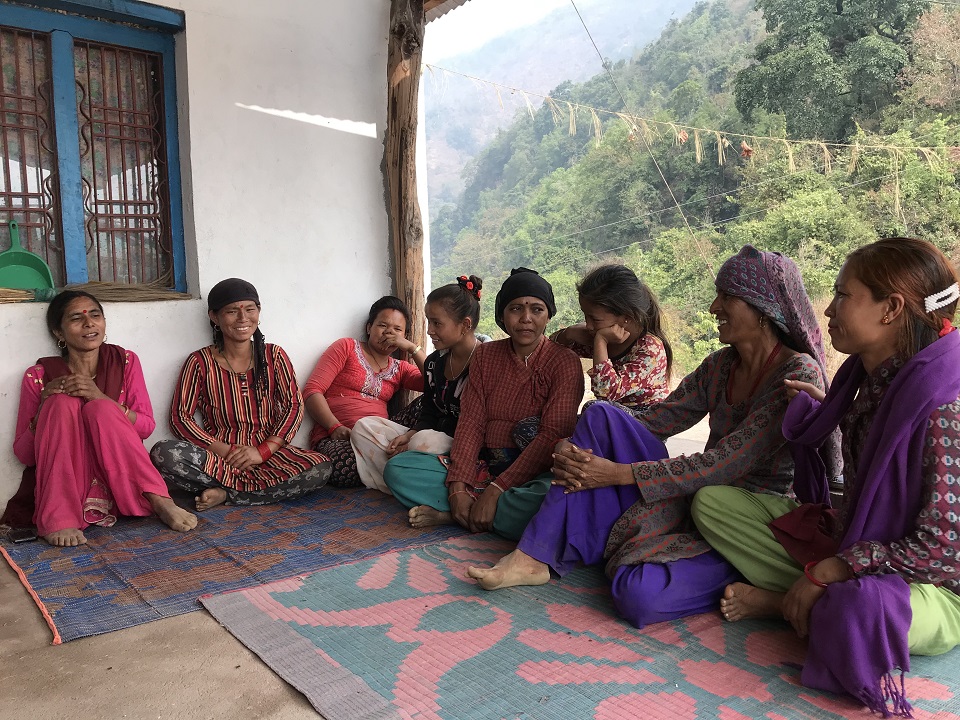
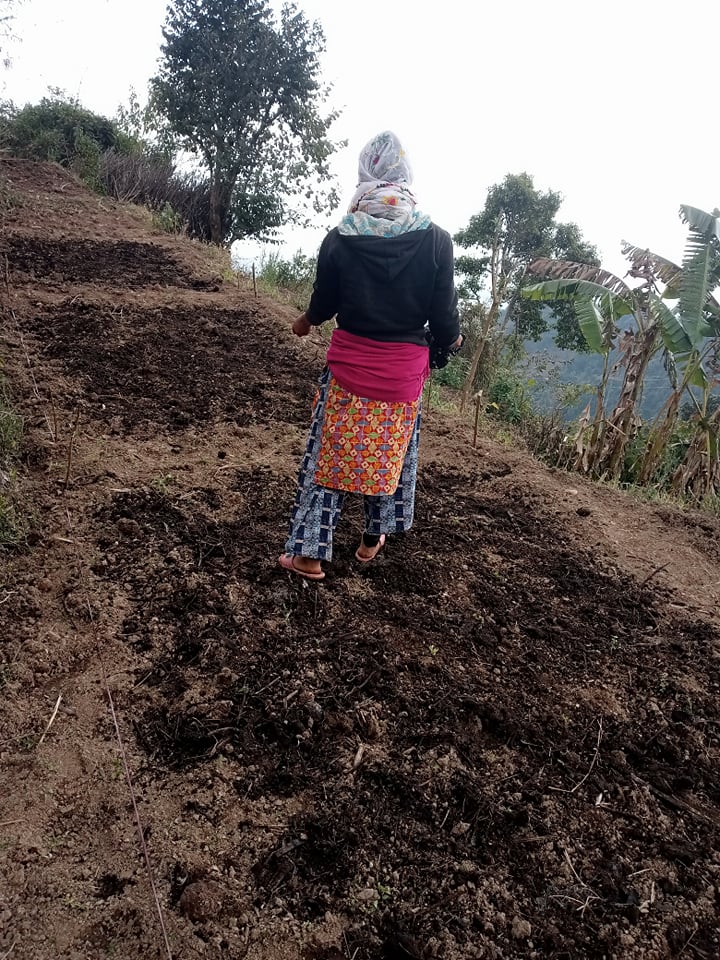
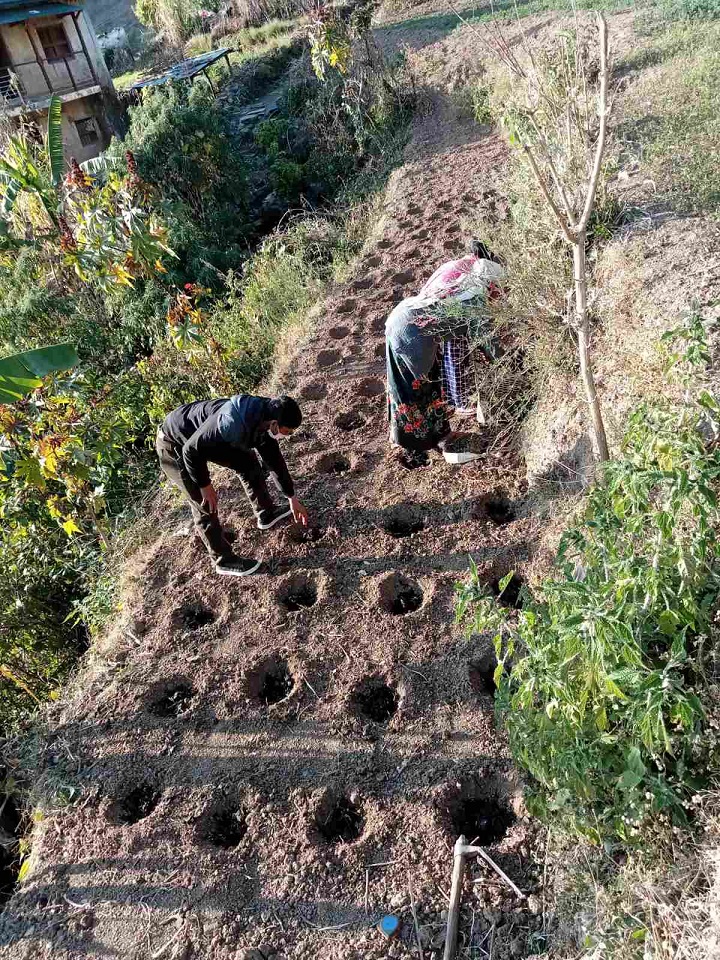
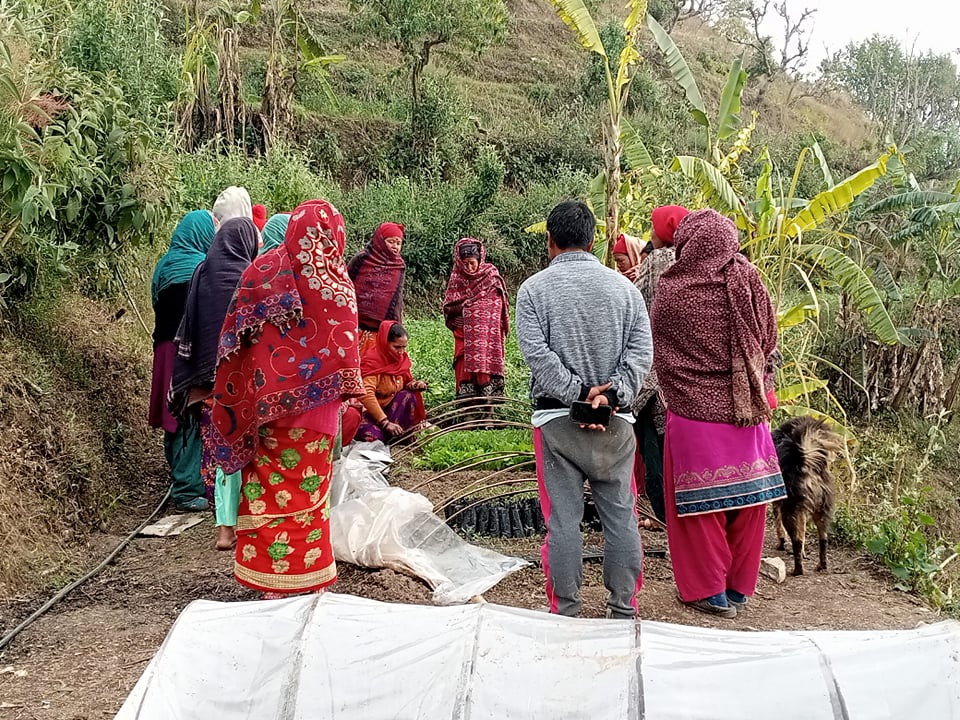
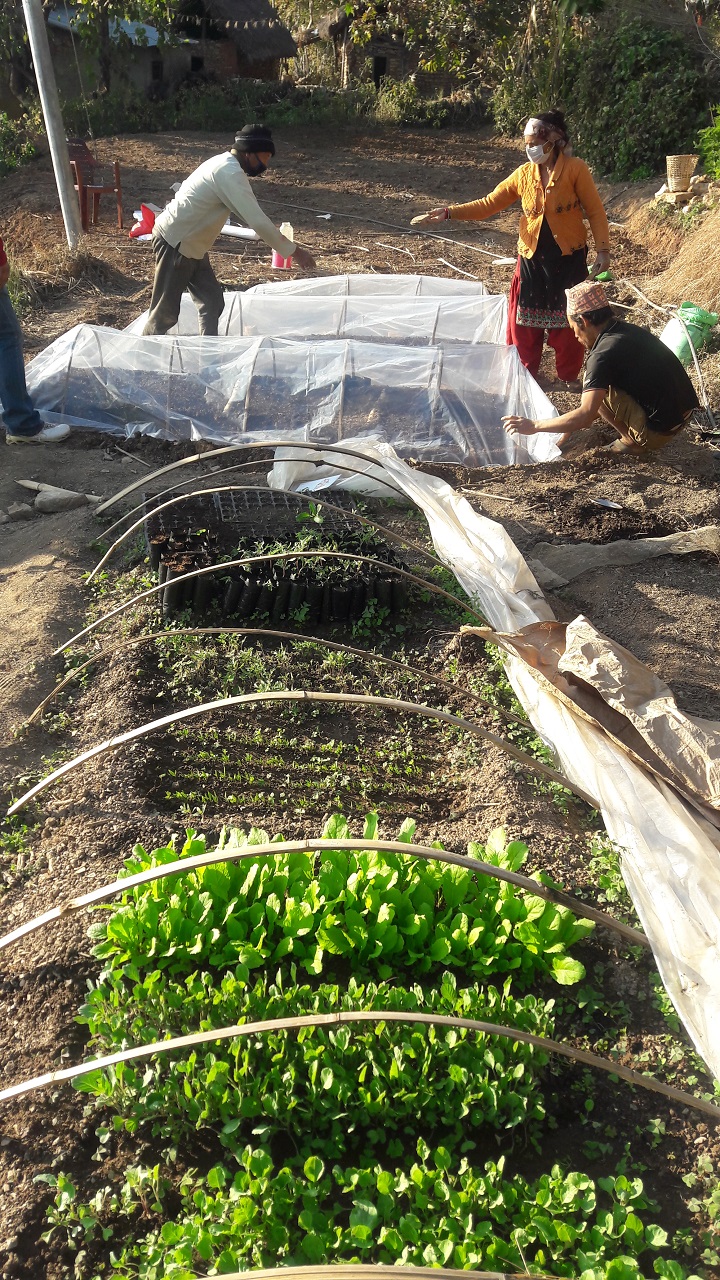
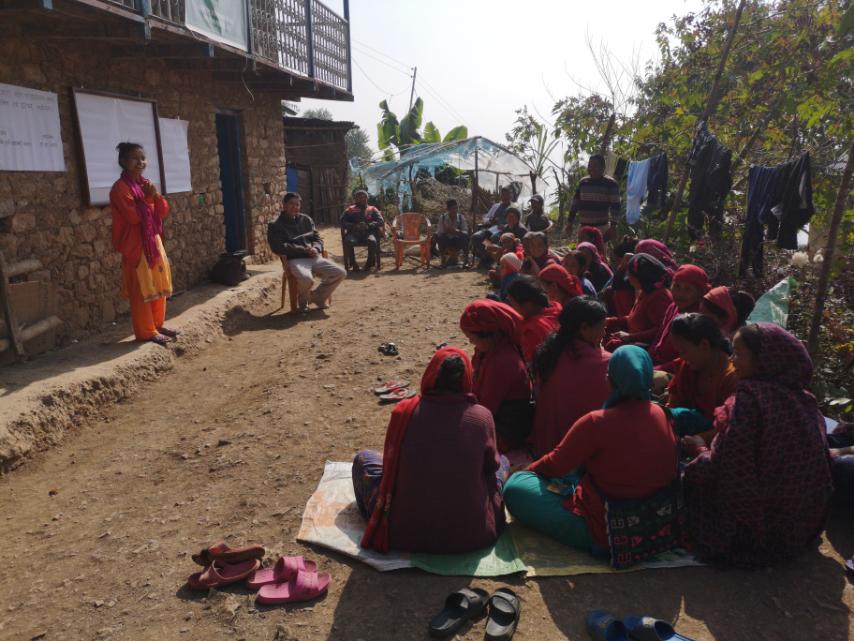
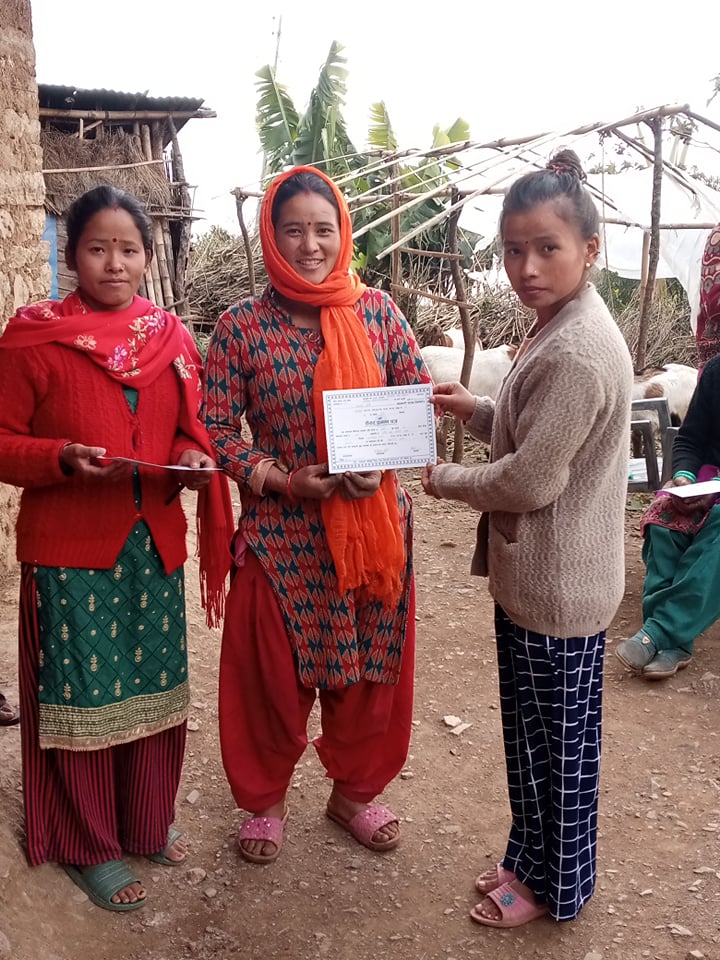
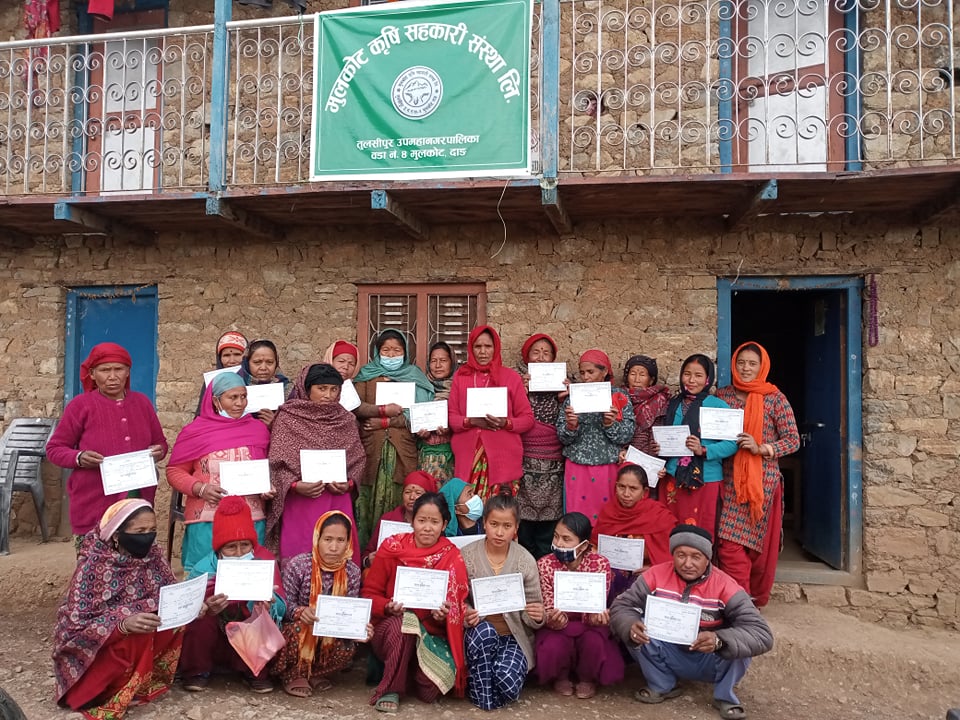
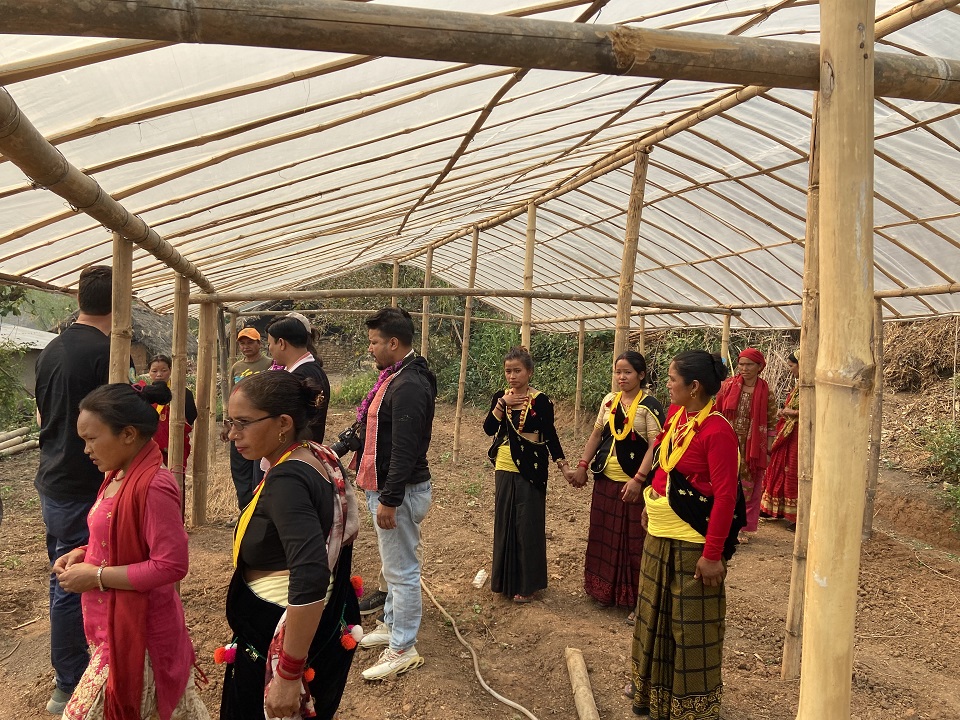
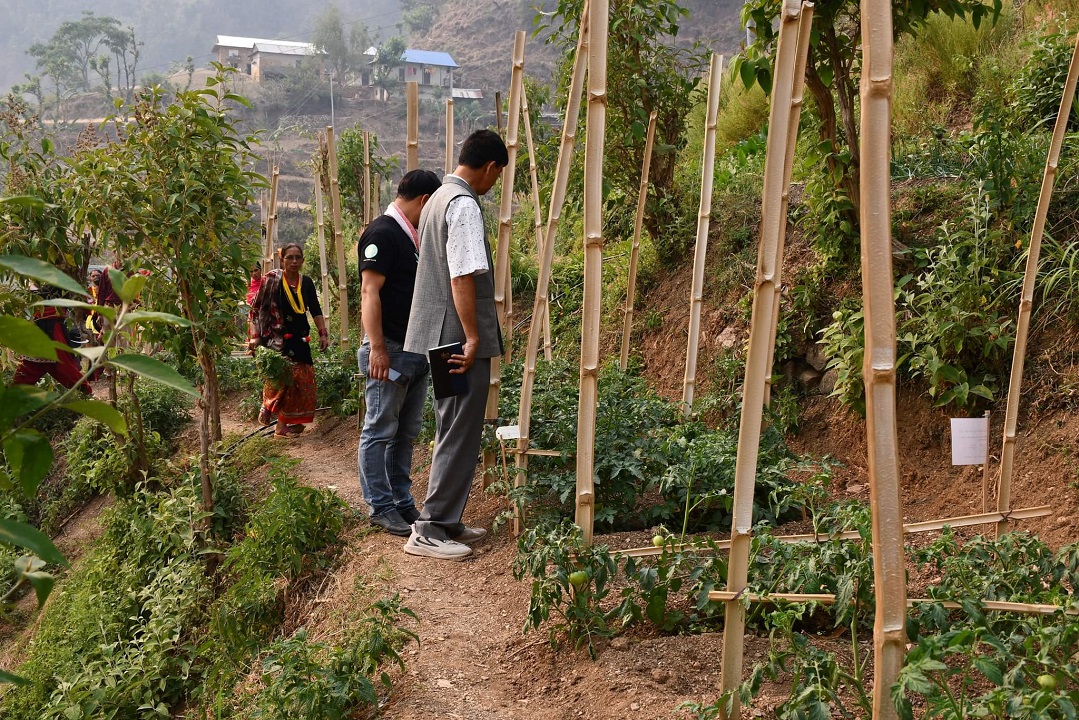
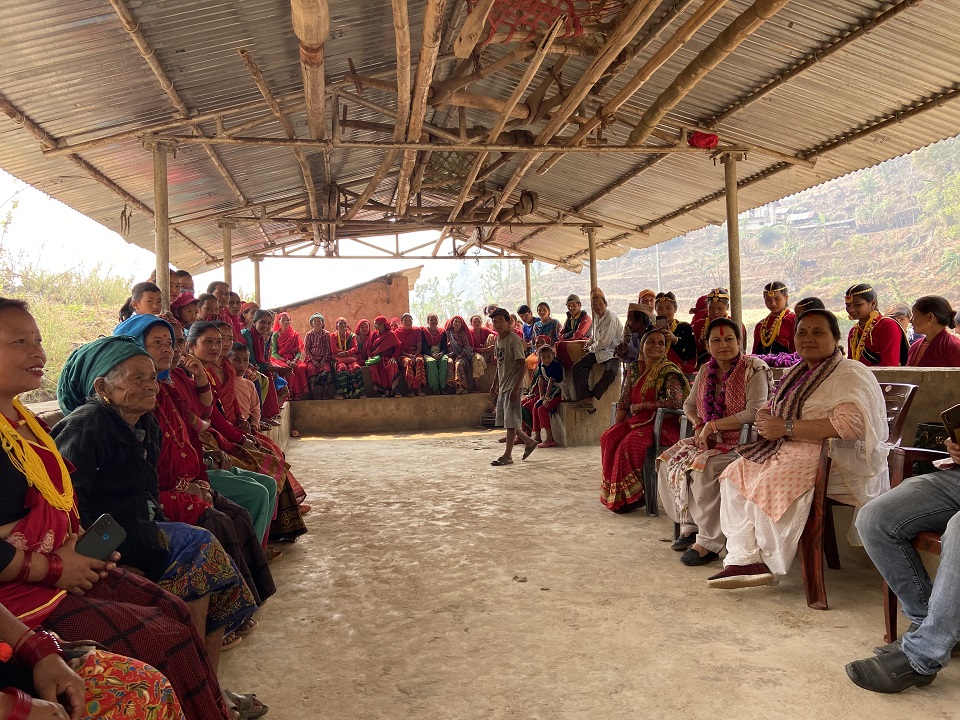
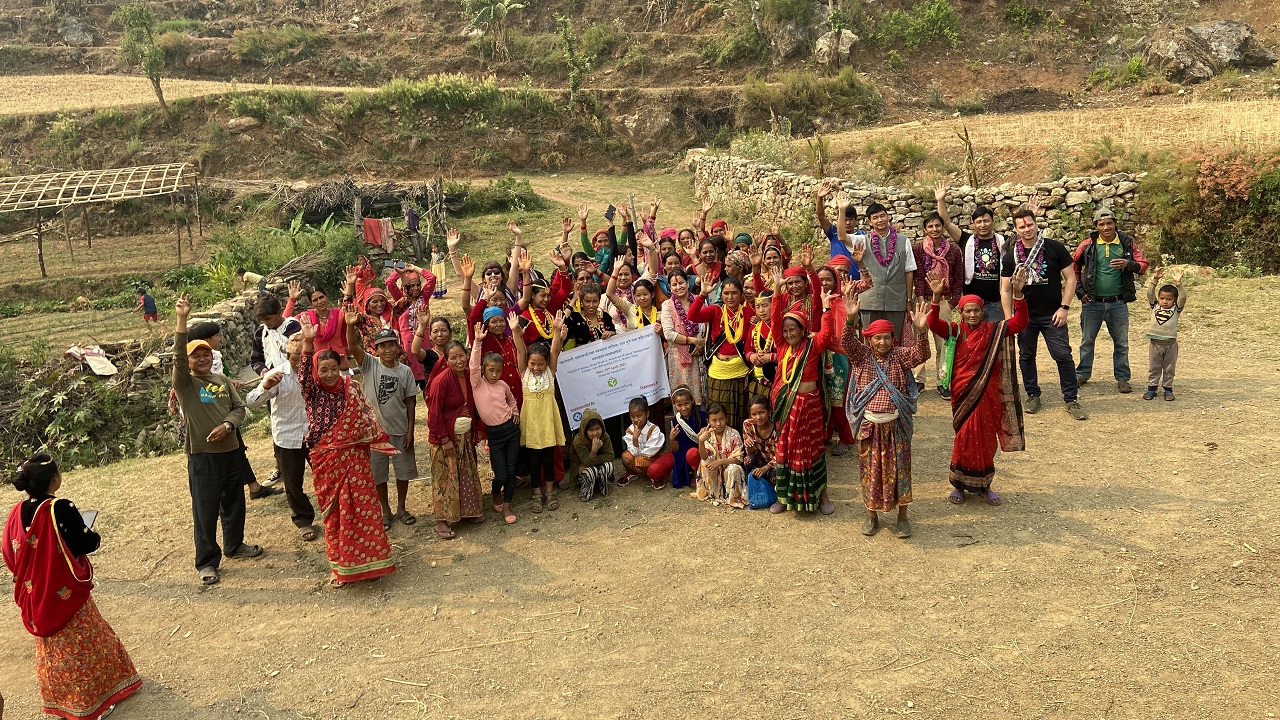
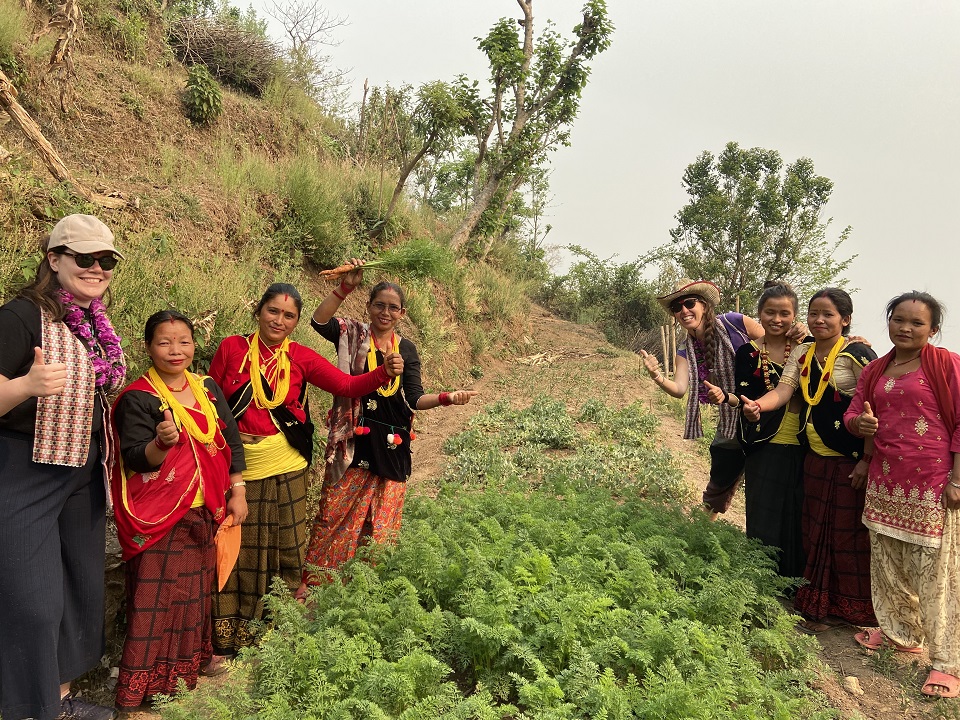
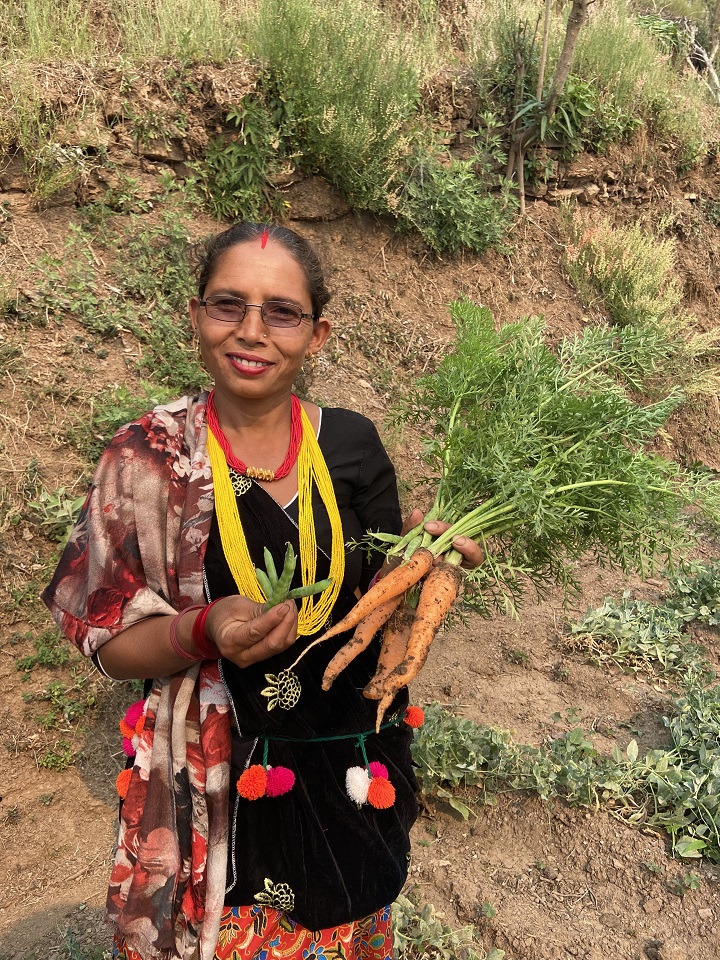
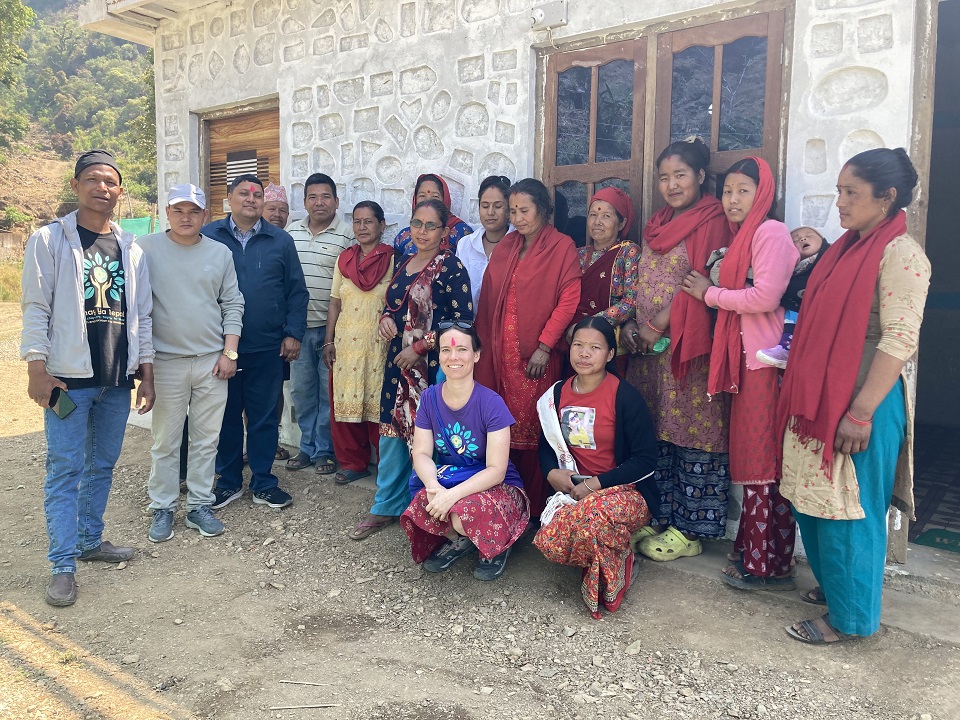
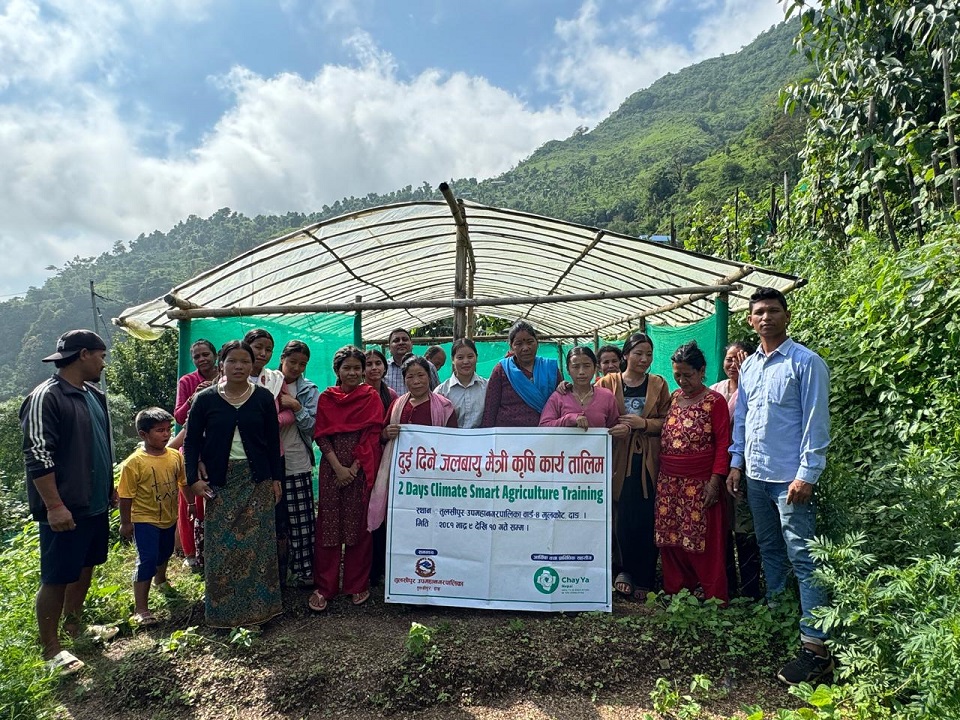
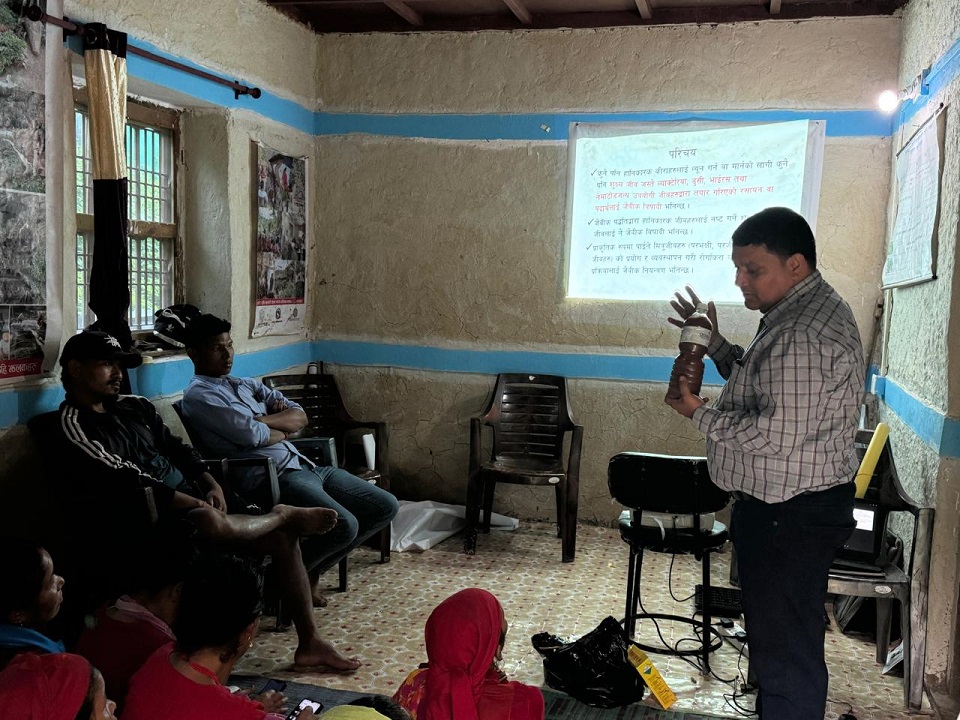
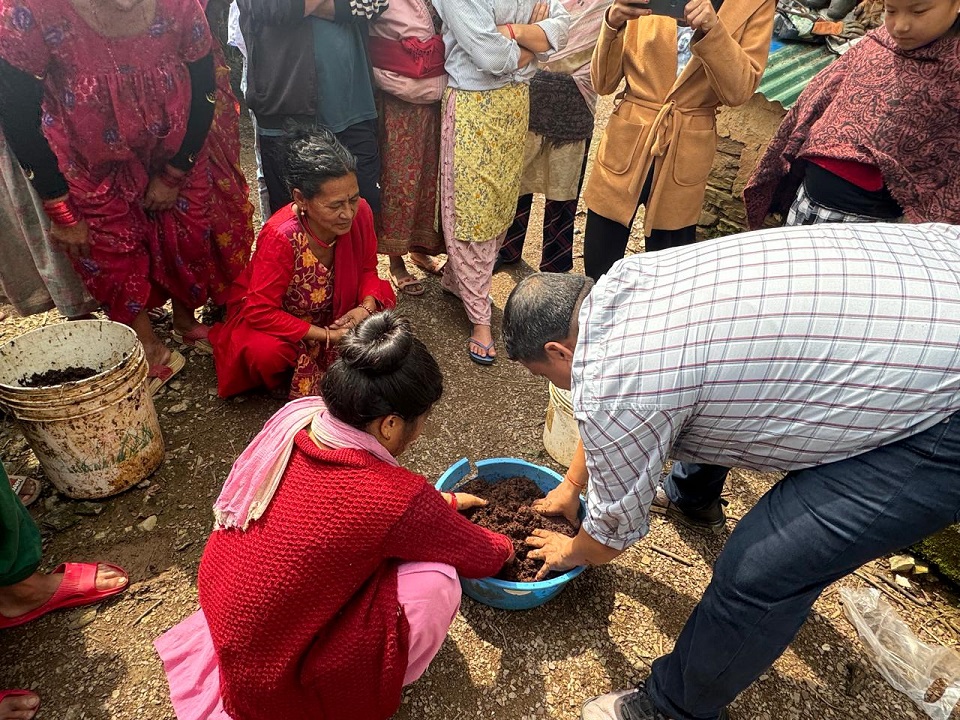
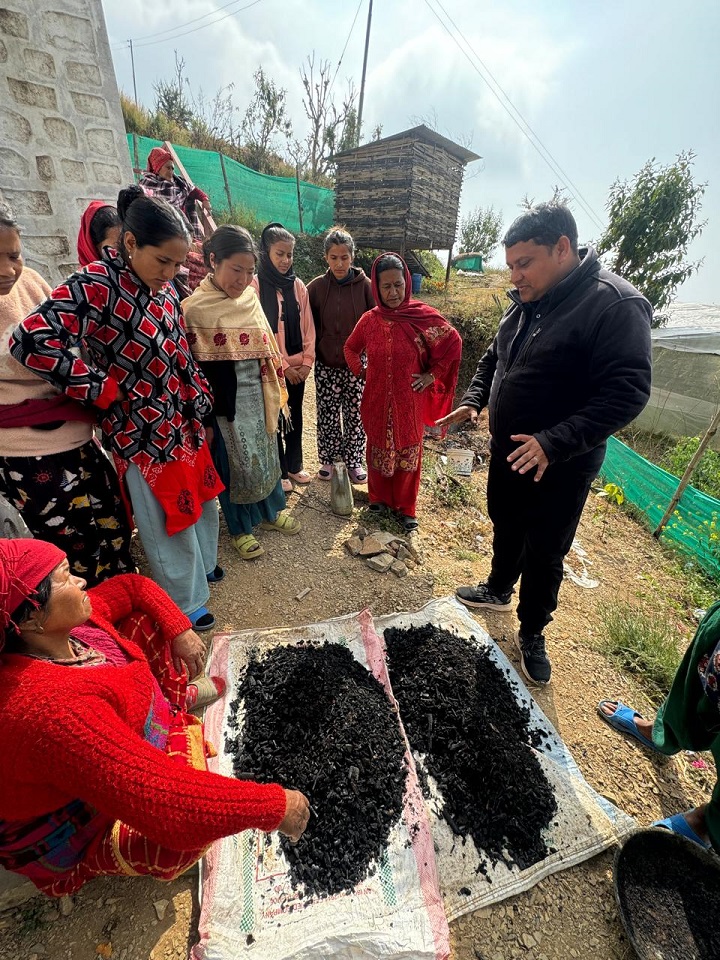
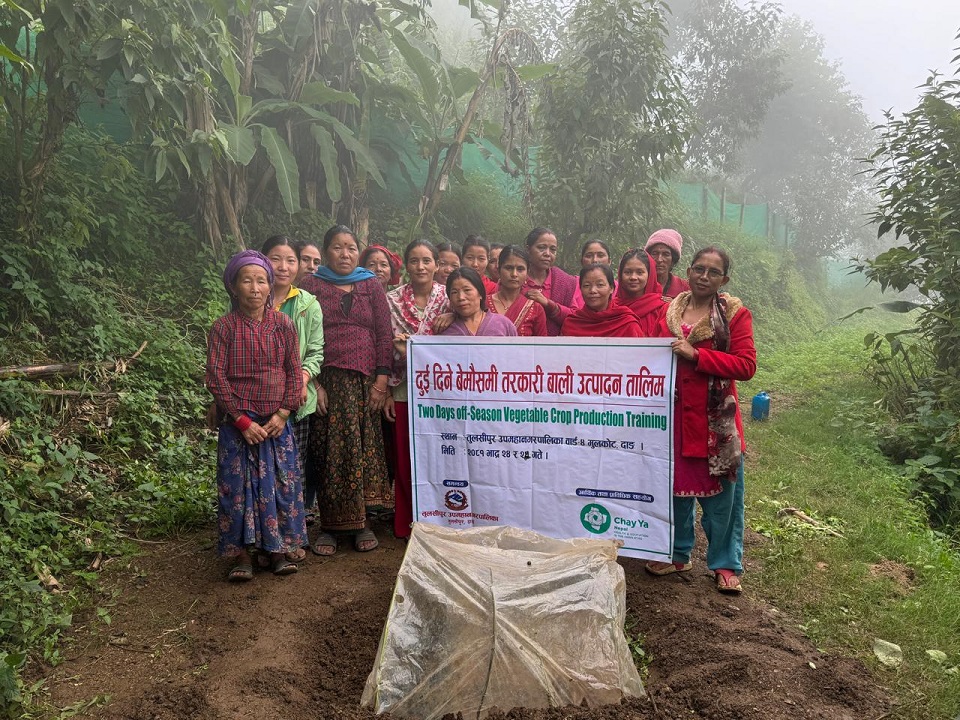
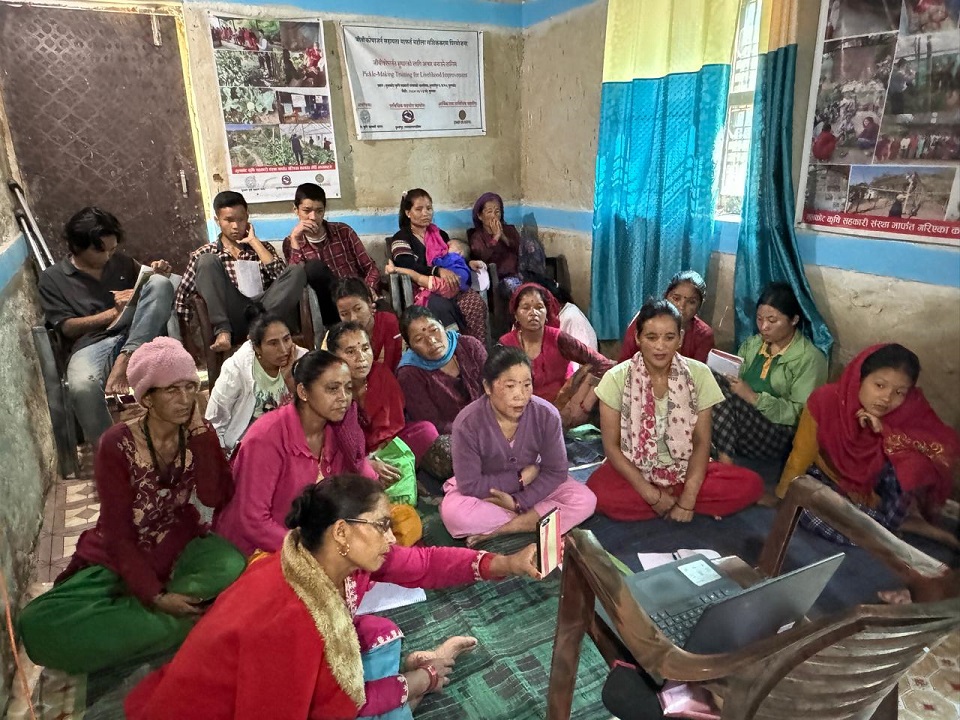
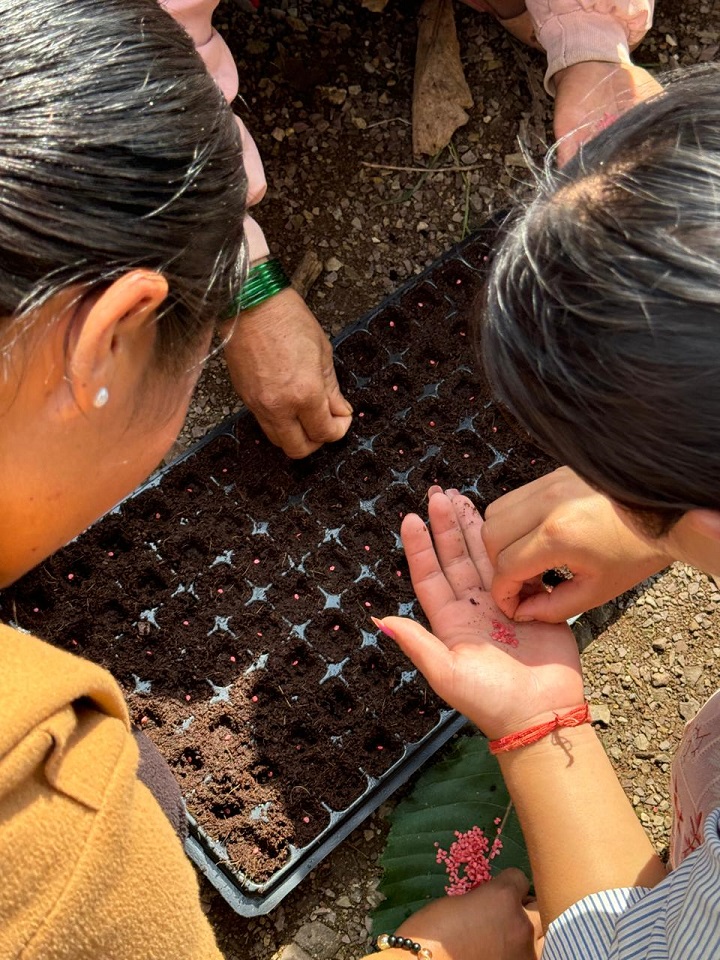
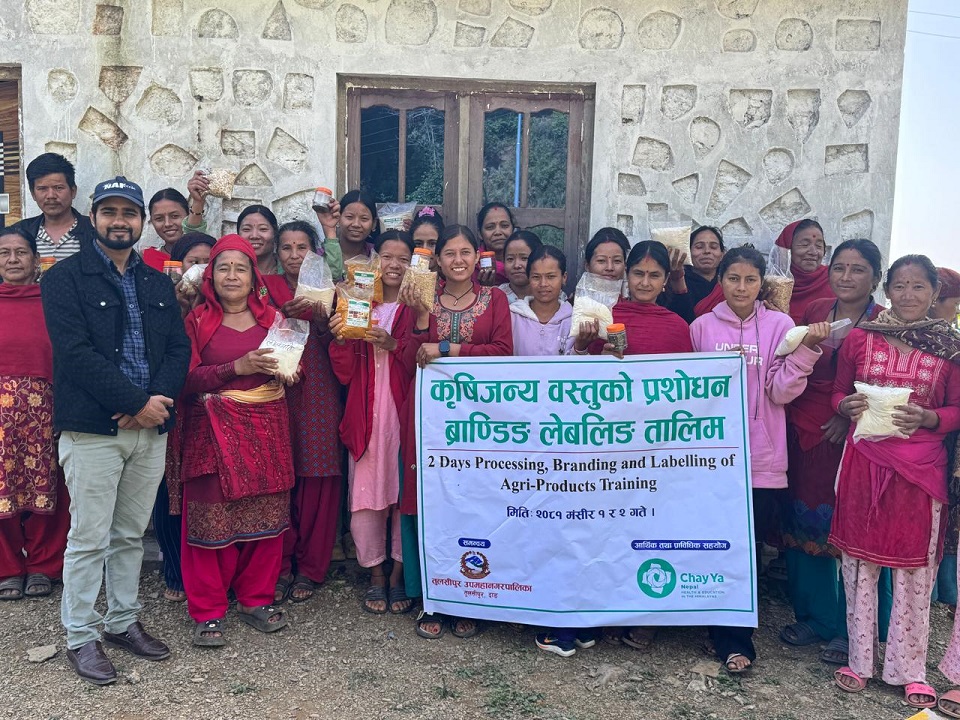
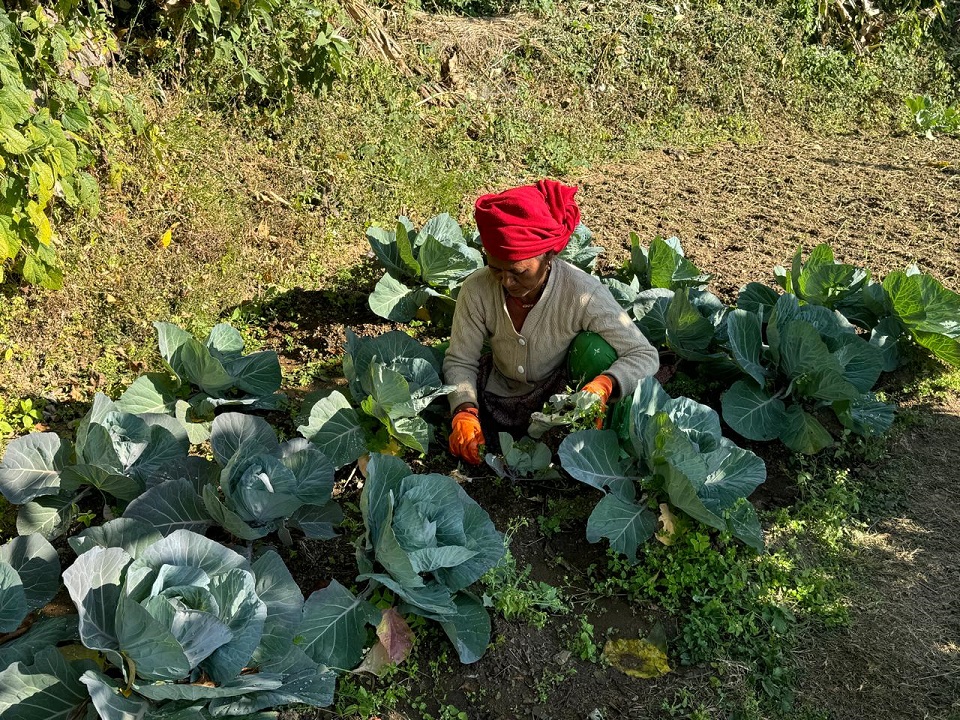
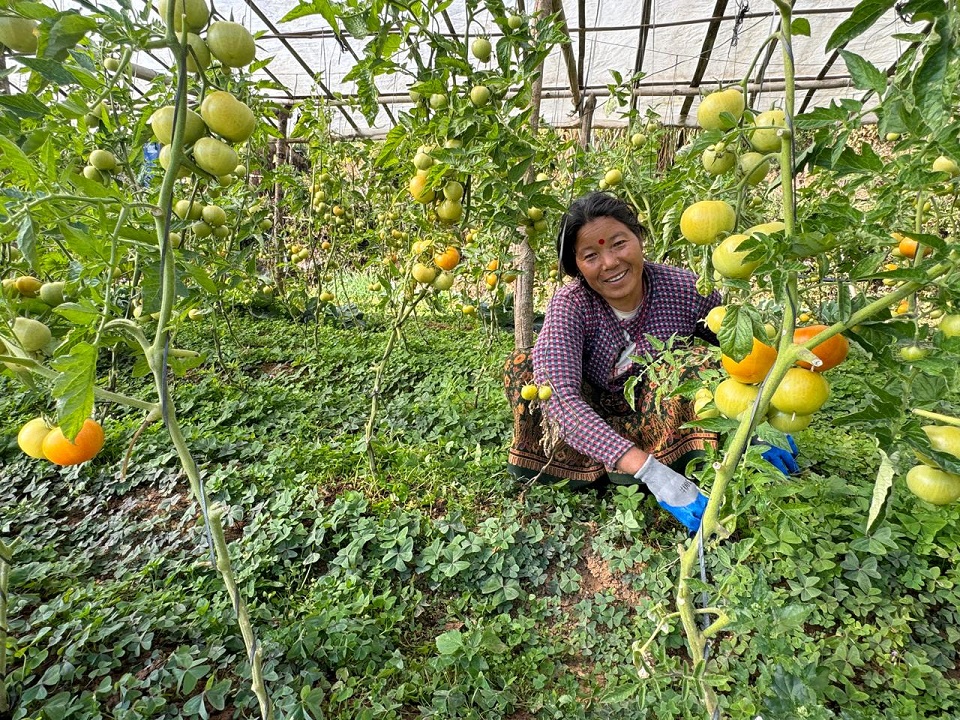
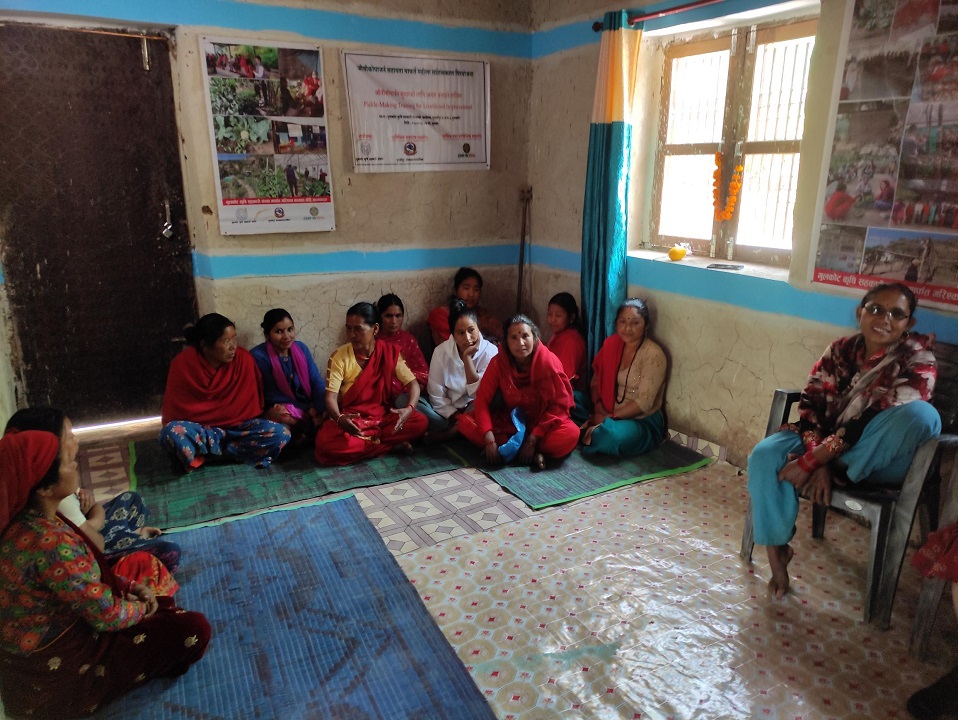
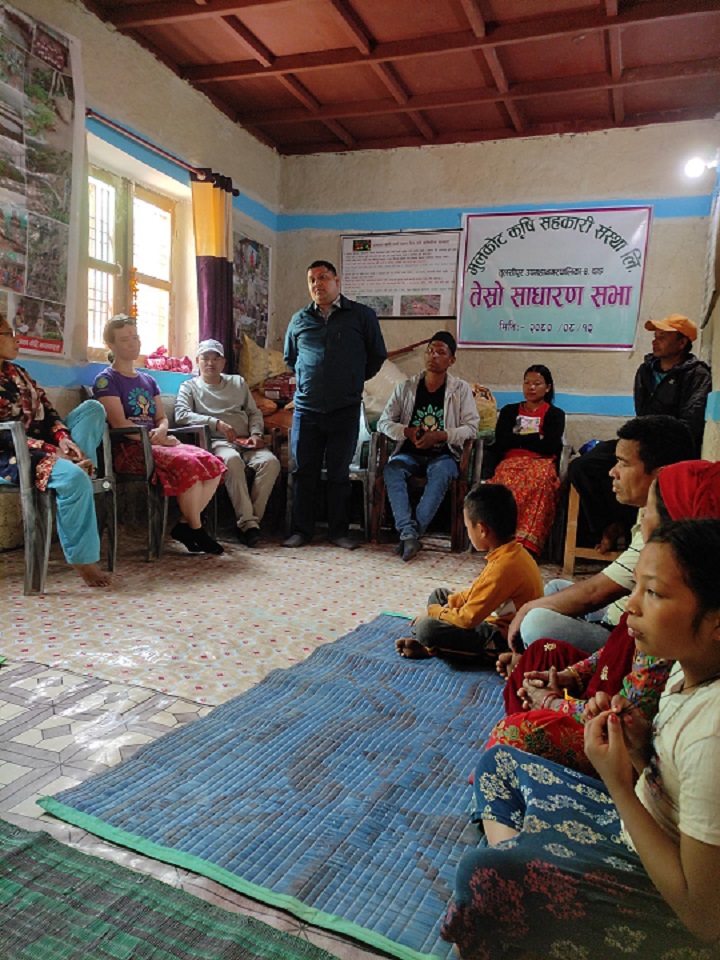
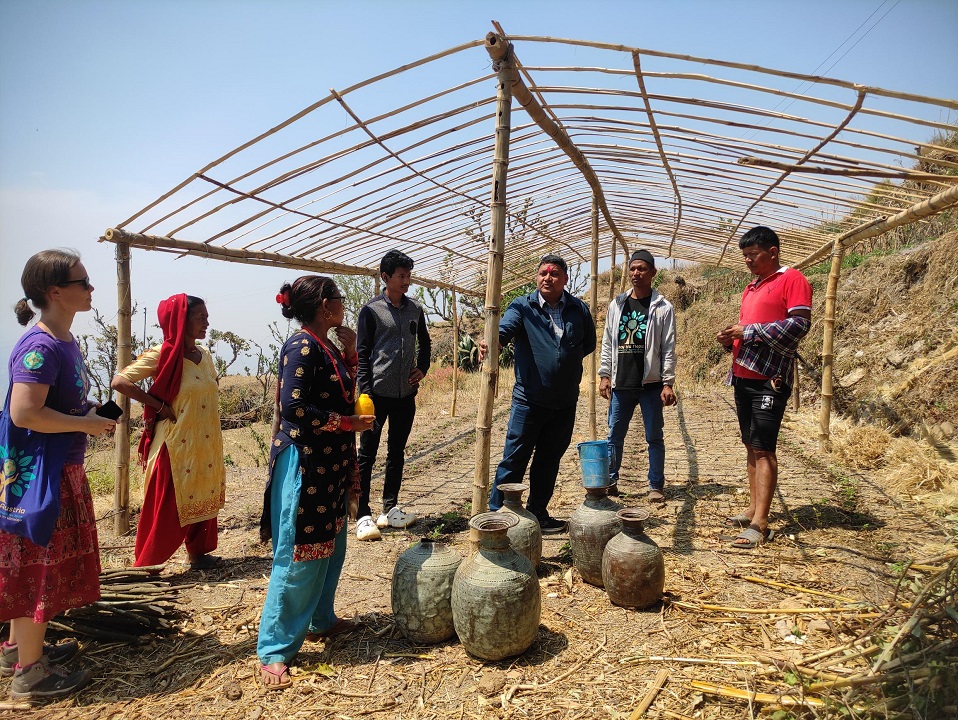
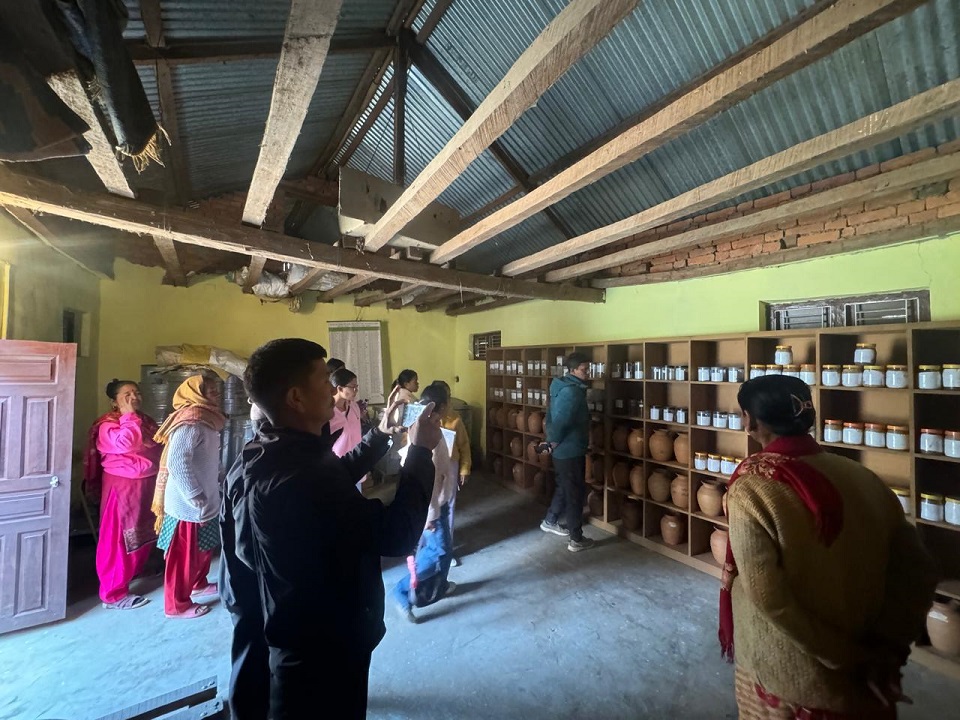
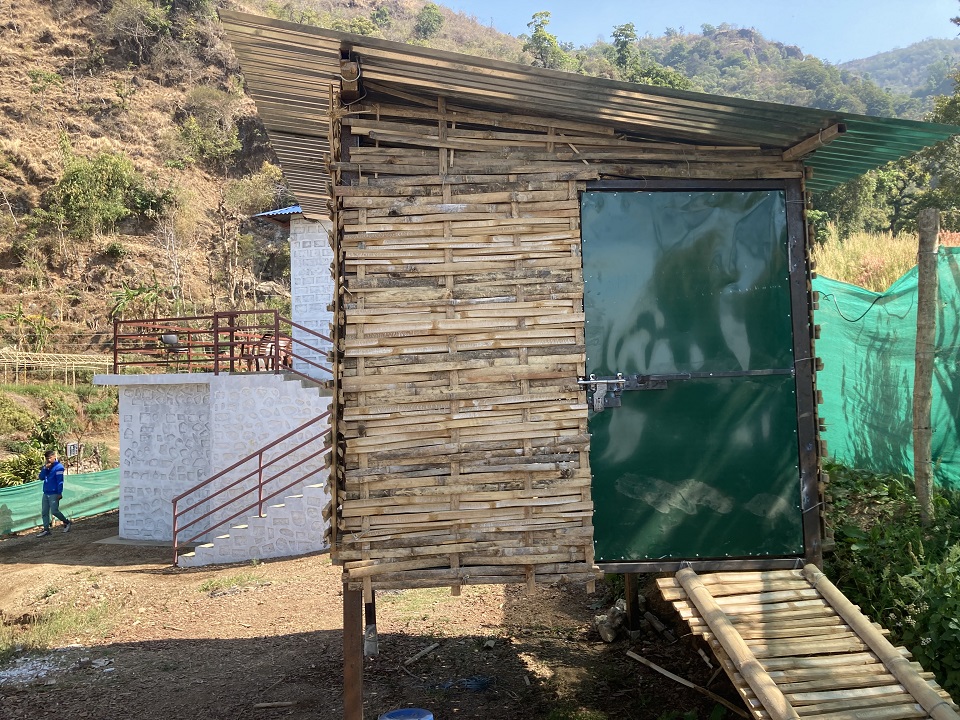
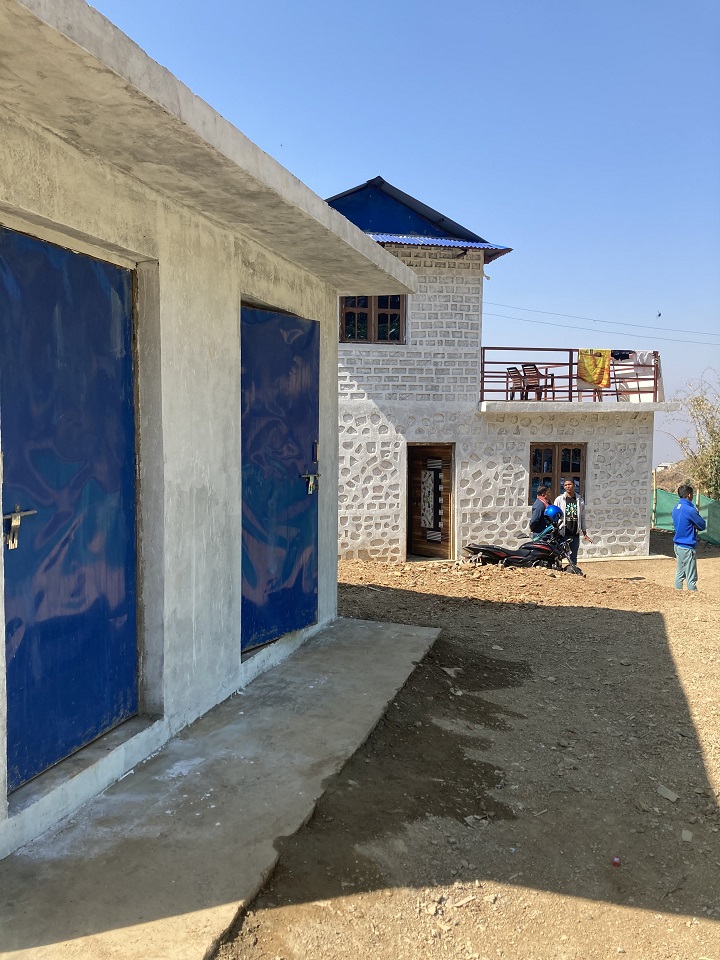
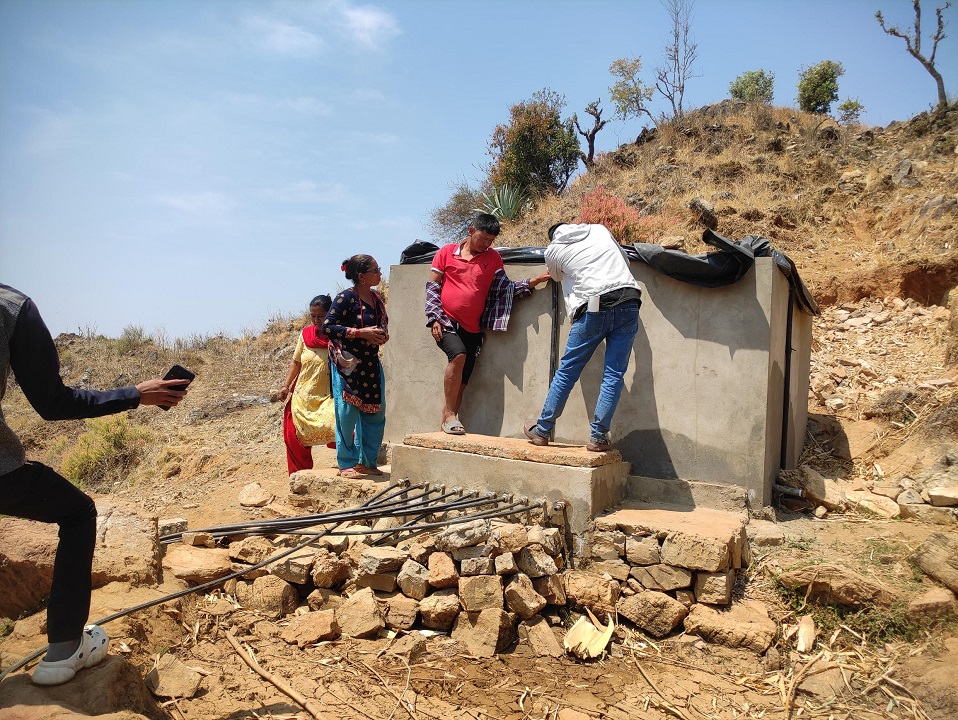
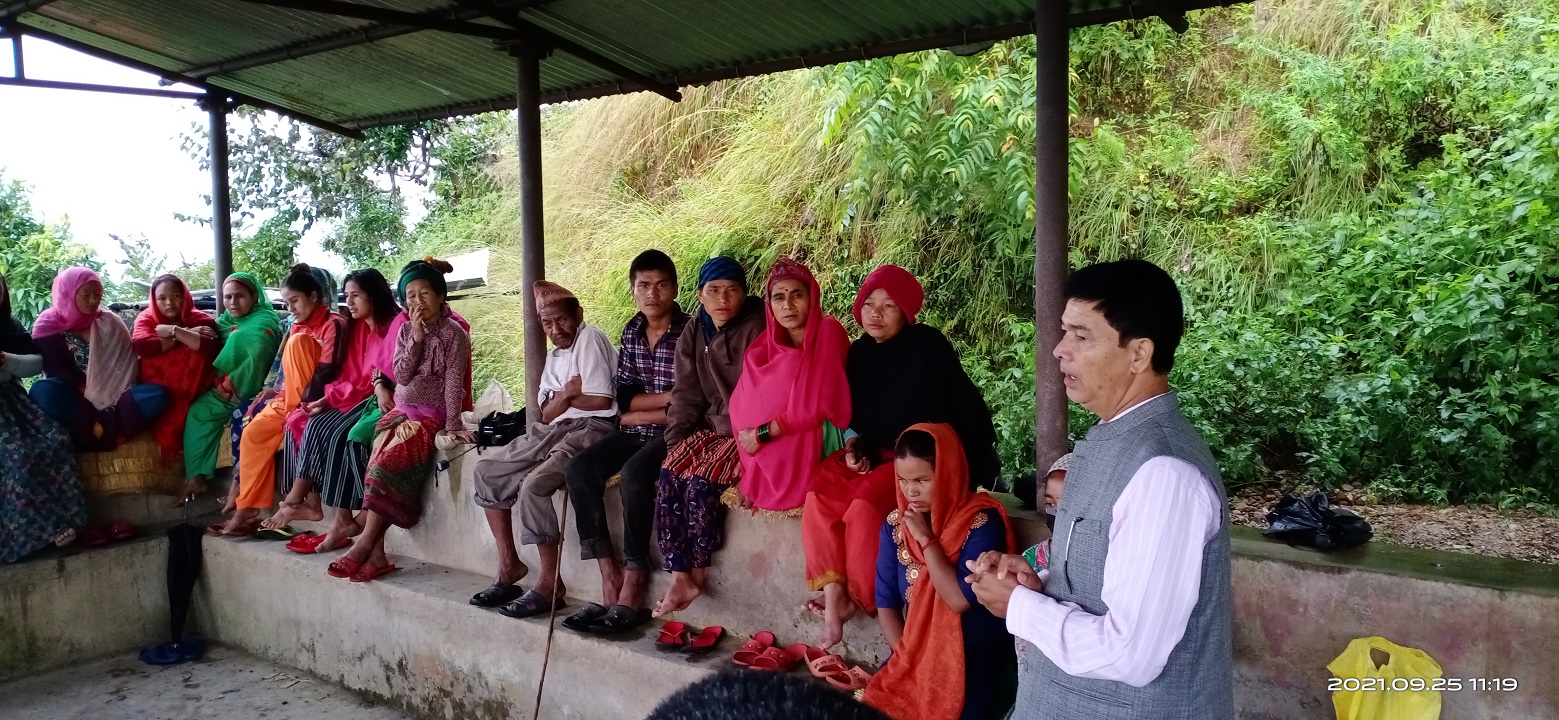
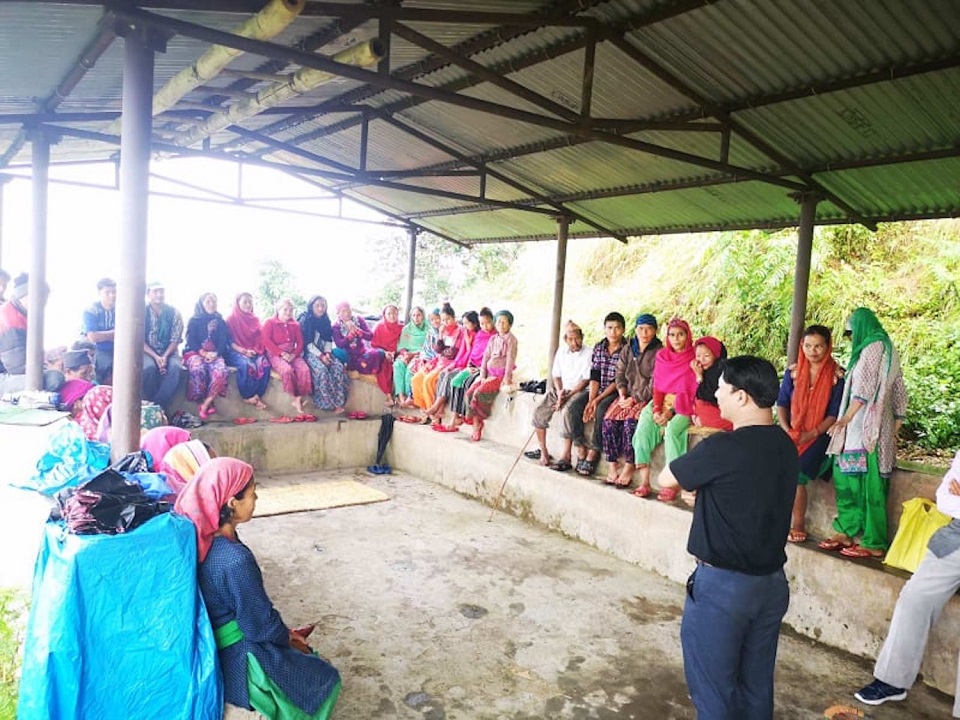
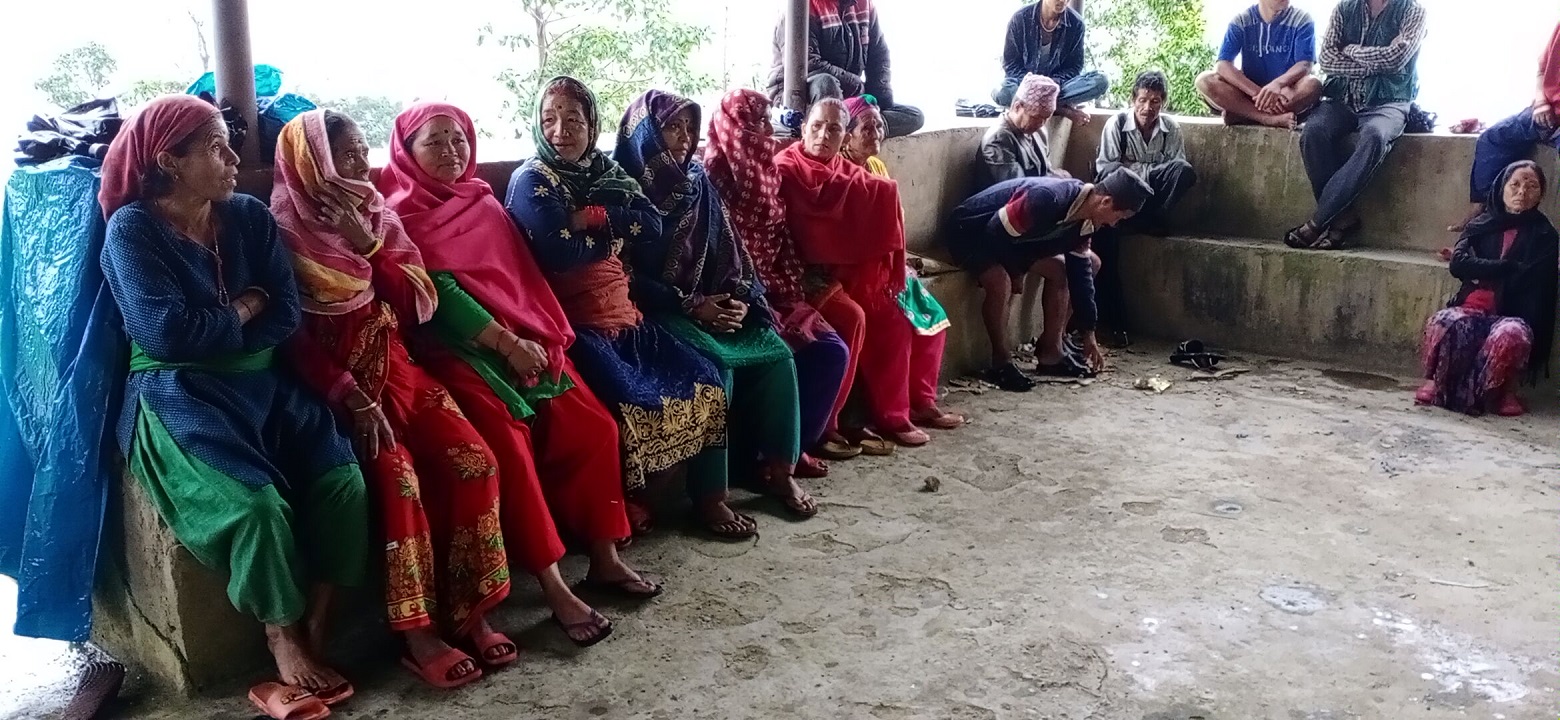
After a slight Covid-related delay, a model farm was set up by 2023 and around 50 local women were trained in vegetable growing practices and animal husbandry, as well as bookkeeping, management and hygiene in several workshops and training sessions. They can now all apply the agricultural practices they have learned in their own fields. A women’s cooperative has been founded and registered and leaders are regularly elected. Two of the women even receive a small salary for their organizational work.
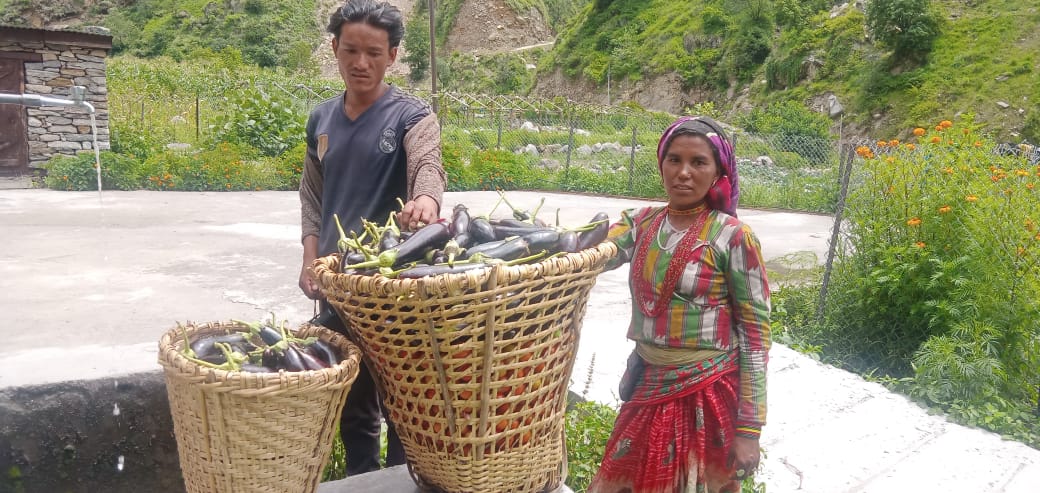
In addition to improving the food security of local families and combating malnutrition among children and adults, the sale of the surplus is now also intended to sustainably increase household income. This should enable the further emancipation of women in Mulkot in the long term.
Partners:

Photo Gallery