| Project | : | WASH IN SCHOOLS, Madhesh Province |
| Location | : | 12 schools in Rautahat district |
| Project Partners | : | UNICEF Nepal, Chay Ya Liechtenstein |
| Project Features | : | WASH upgrades in 22 Madhesh schools provided clean water, toilets, and hygiene training, earning 3-star ratings for 13 schools. |
| Construction Modality | : | |
| Support Period | : | 2022- 2023 |
| Current Status | : | Completed |
The target of this project were 22 schools of Madhesh Province: eight schools from Baragadhi Rural Municipality, four schools from Jeetpursimara Sub-Metropolitan City (both in District Bara), five schools from Chandrapur and five from Yamunamai Rural Municipality (in District Rautahat). Out of the 22 schools, nine are secondary and 13 basic level schools.
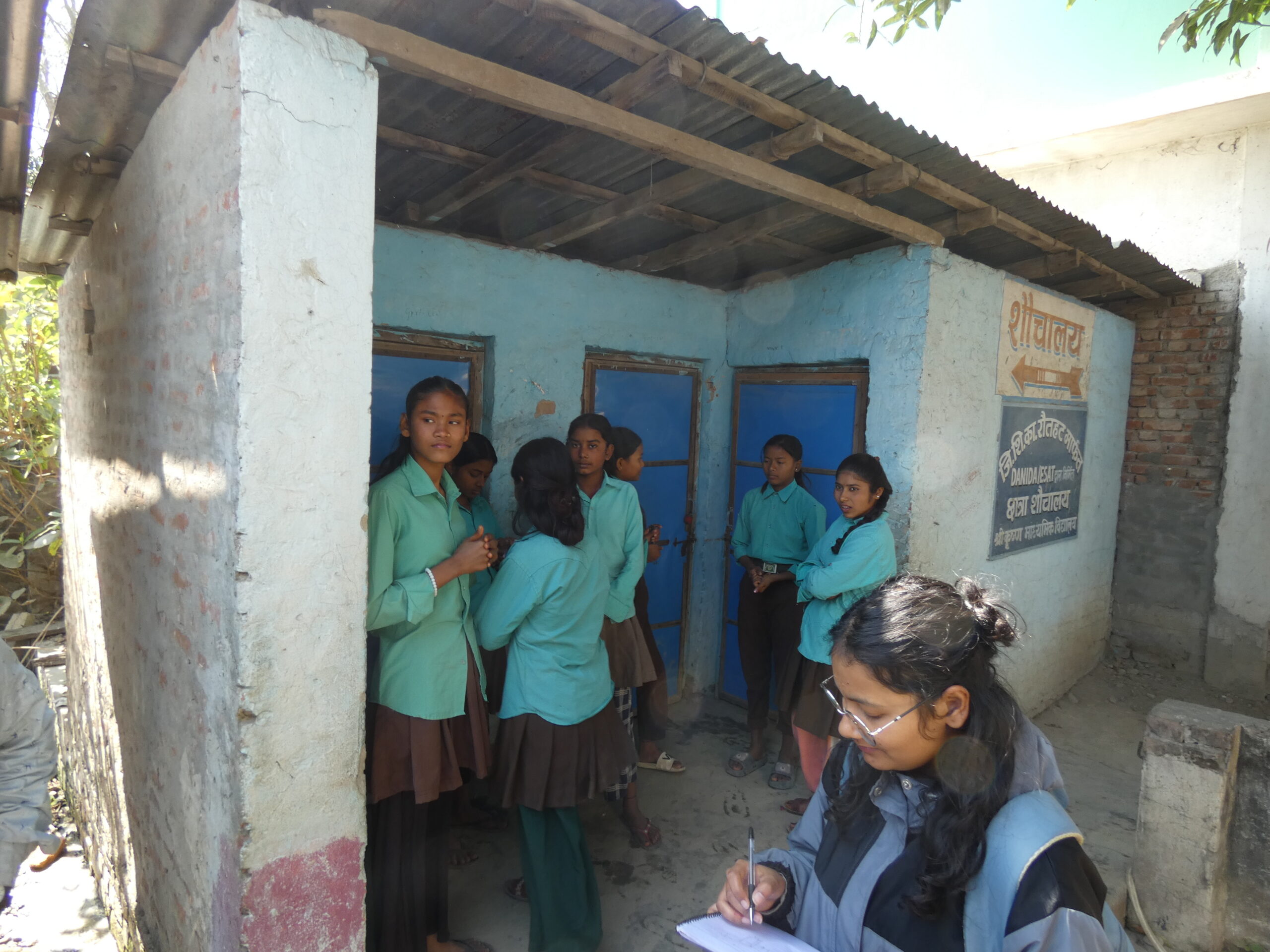
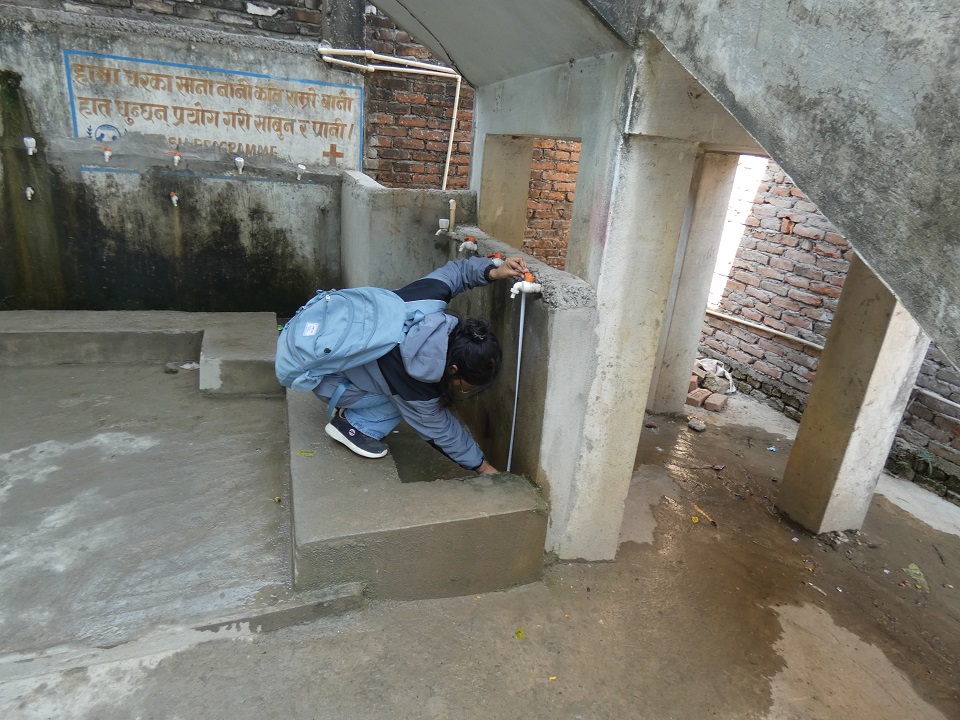
During a baseline survey of the schools, all WASH facilities like toilets, urinals, handpumps and hand washing stations were inspected and tested (especially for the water quality). Unfortunately, many were damaged, unusable or non-existent all together. In some schools, only unisex toilets were found, which were not only inconvenient to use but also not sufficient in numbers resulting in toilet queues. Despite being part of the school curriculum, hygiene education was only taught in nine schools, menstrual hygiene in even less.
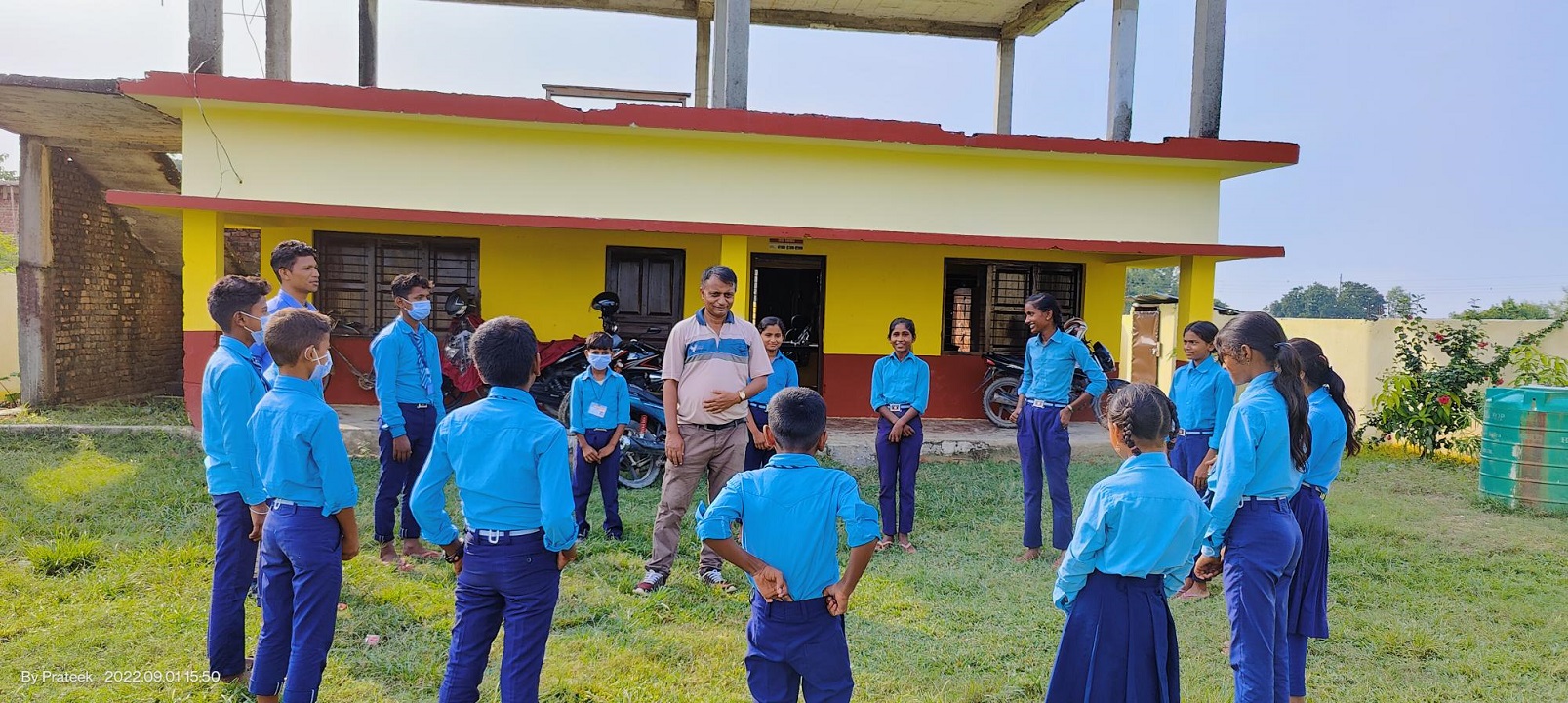
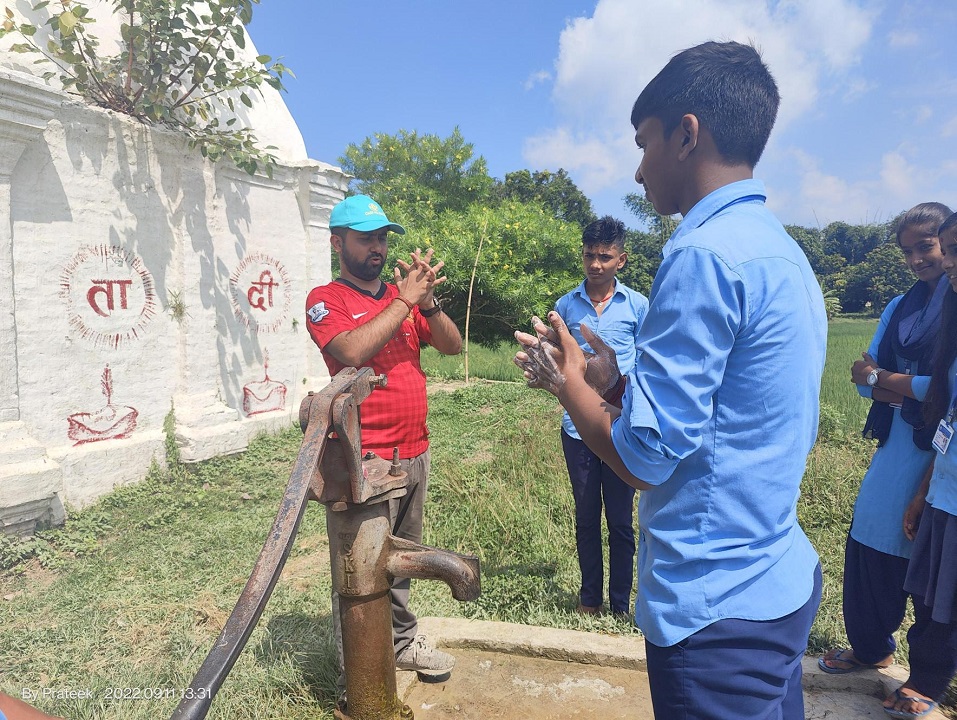
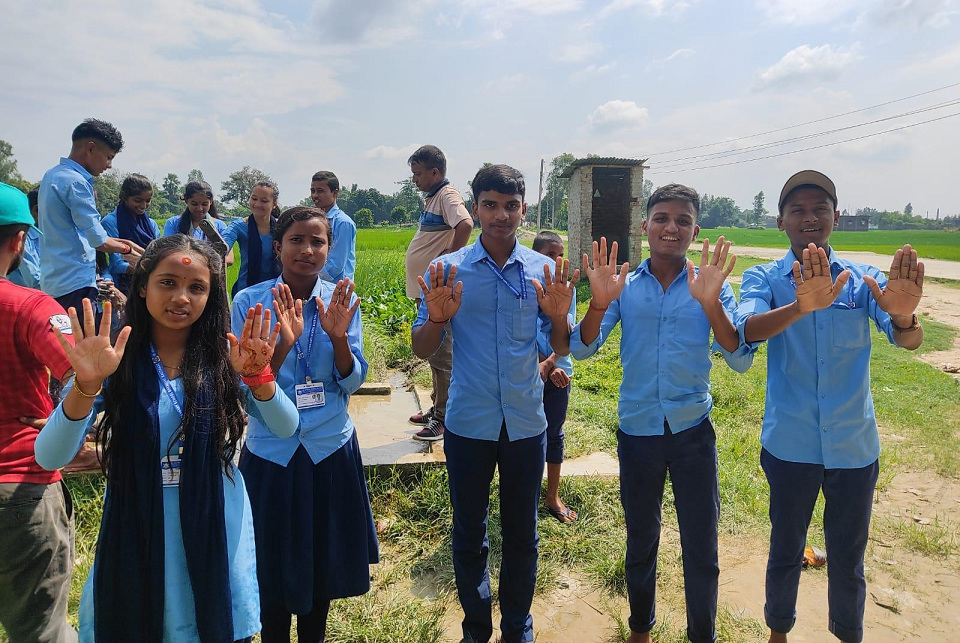
To improve the situation, the plan was to construct new appropriate WASH facilities where necessary and upgrade or repair the ones available whenever possible to allow equal access to all students. Awareness campaigns and workshops were conducted simultaneously to guarantee the sustainability of the project.
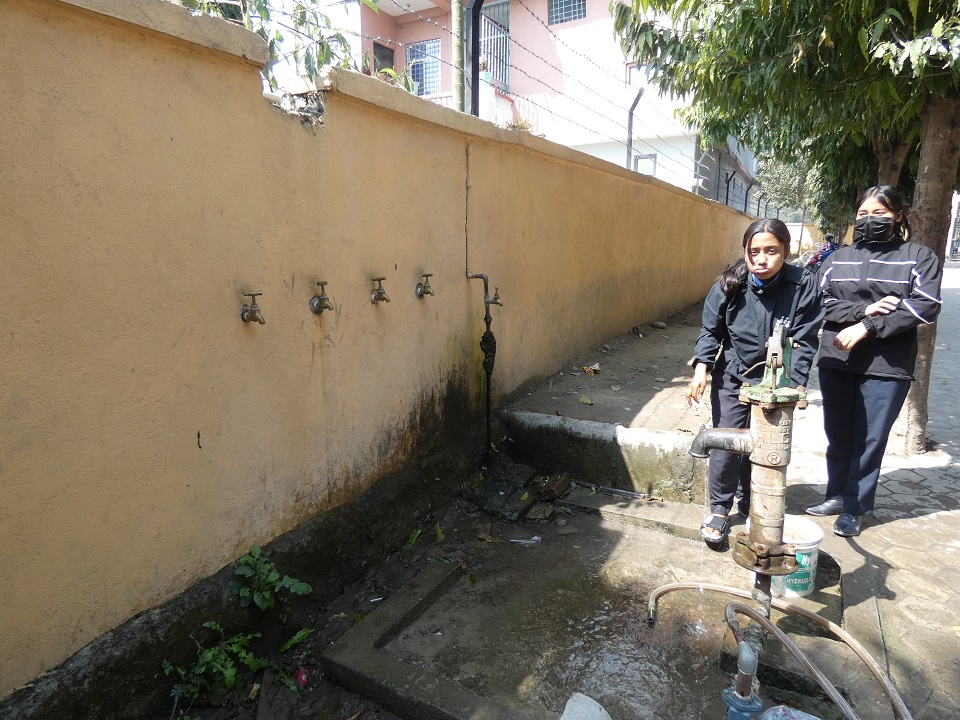
Thus, in all 22 schools safe drinking water facilities and handwashing stations were provided as well as incinerators for pad disposal built (none existed before). Sometimes new bathrooms needed to be constructed, mostly the ones in place could be repaired and/ or upgraded. Also, kitchen gardens were initiated everywhere.
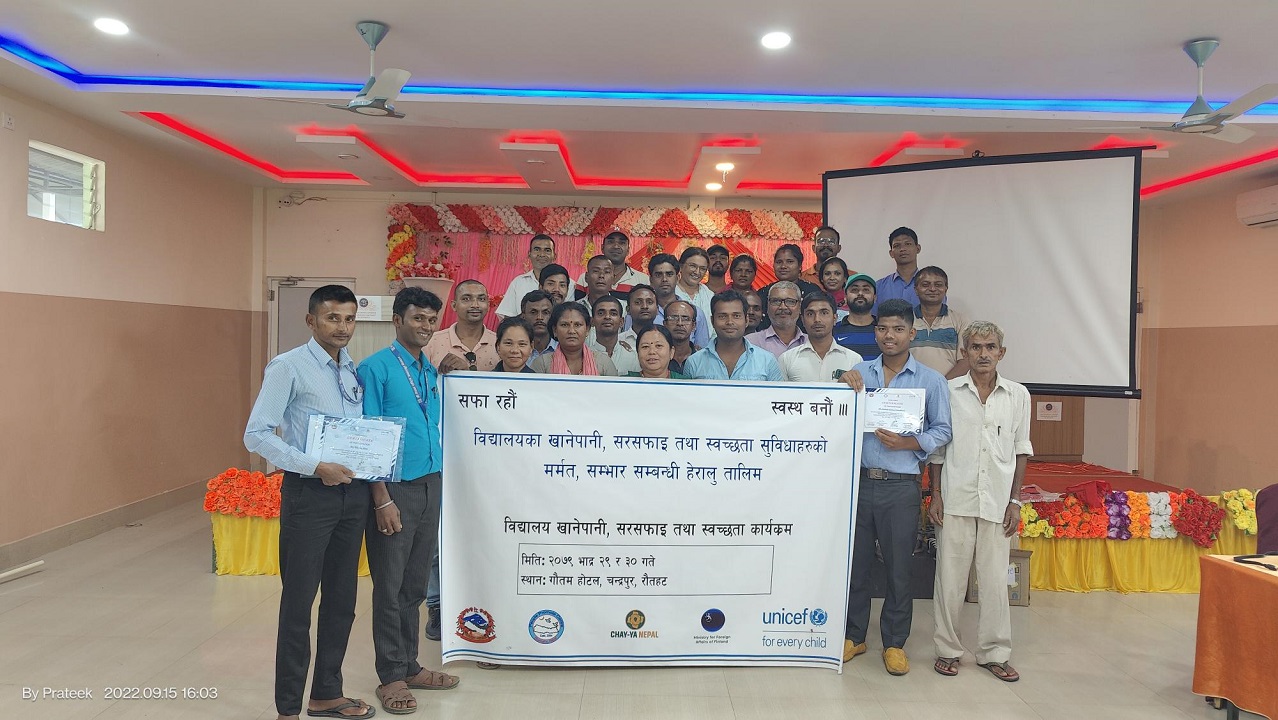
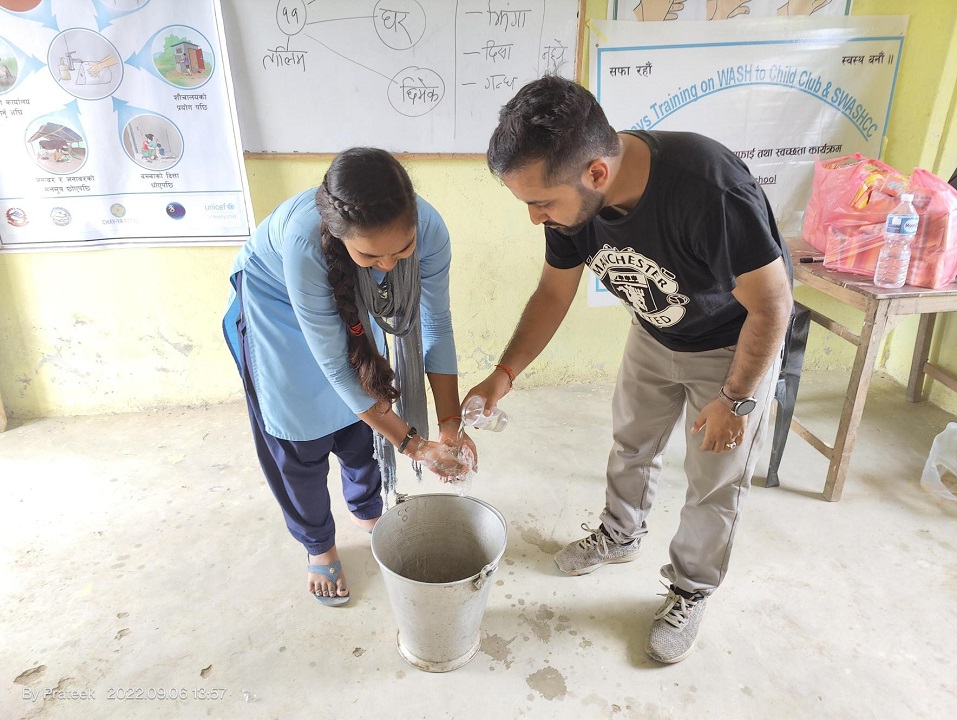
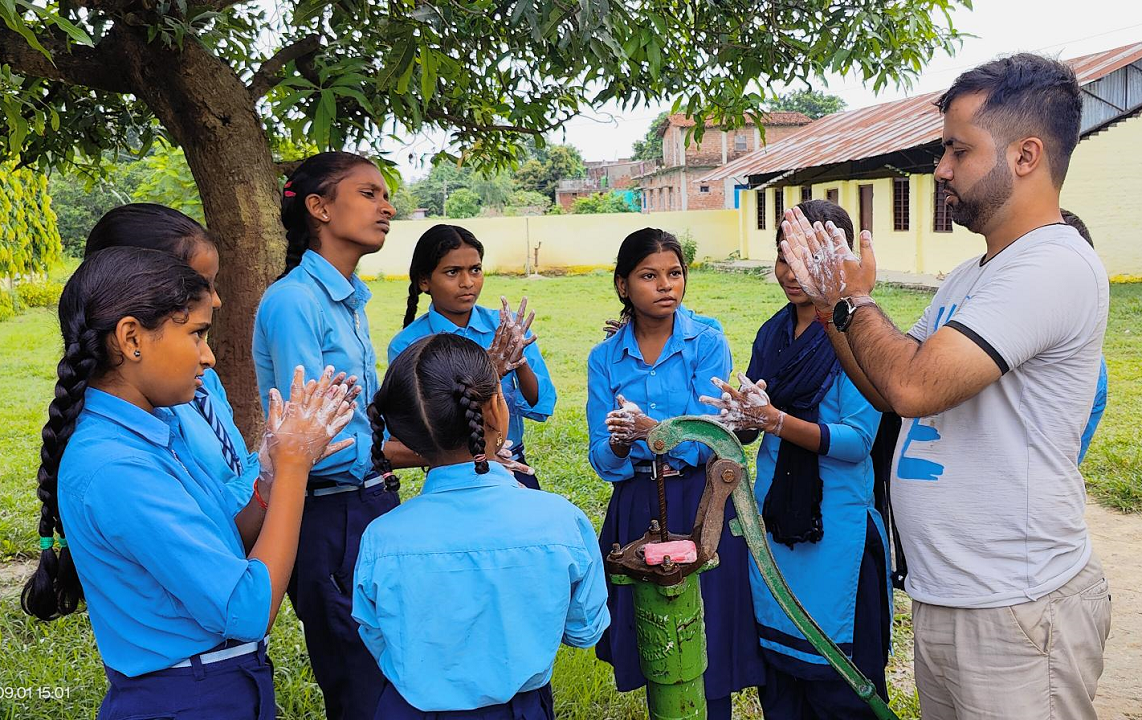
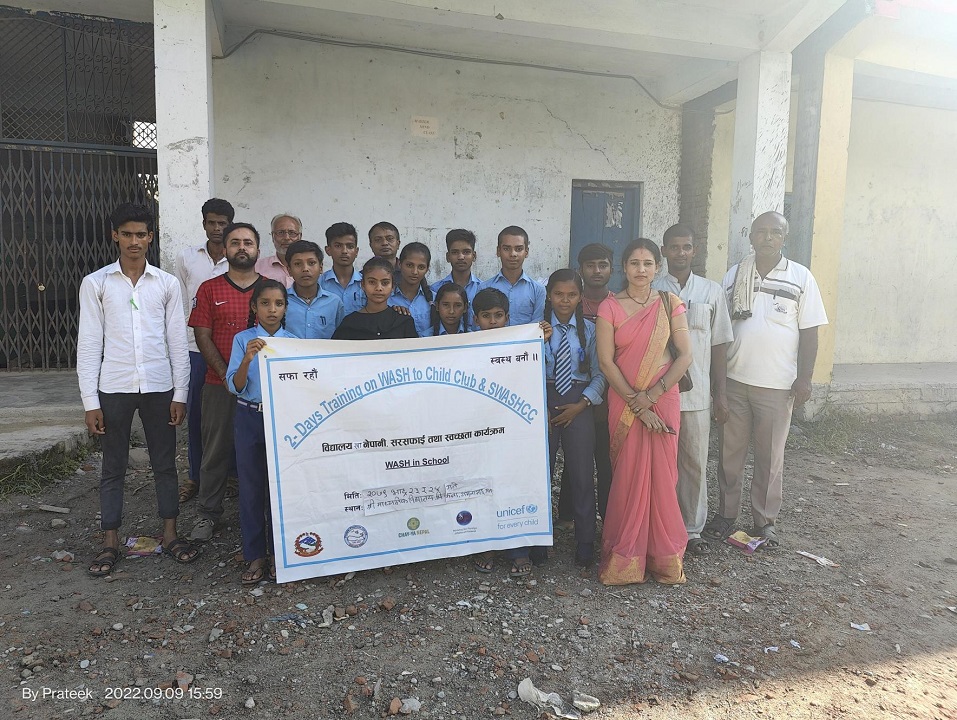
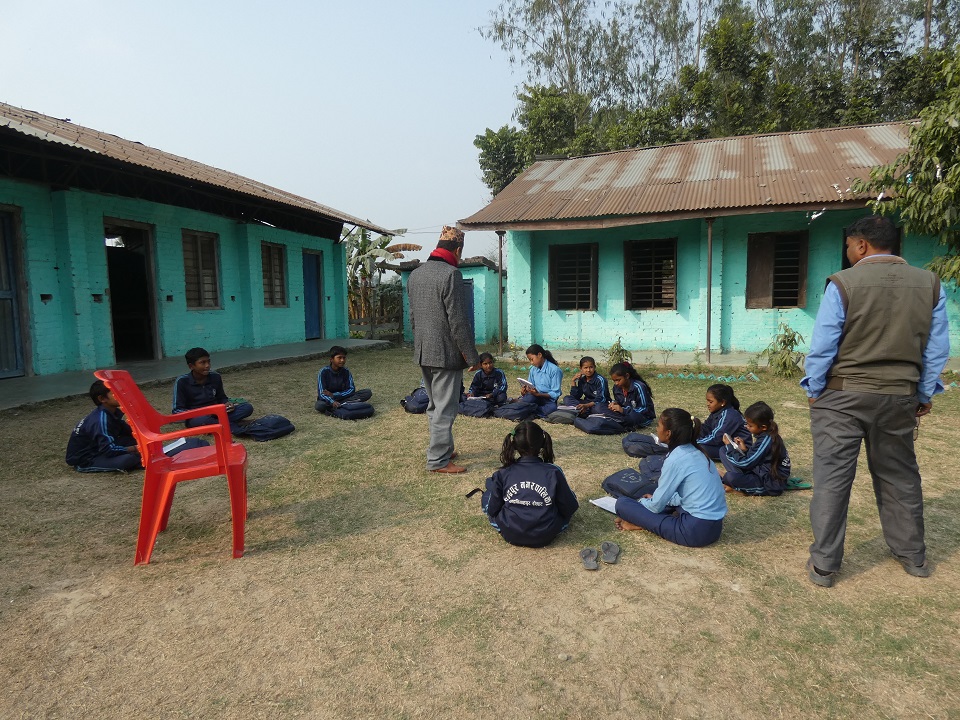
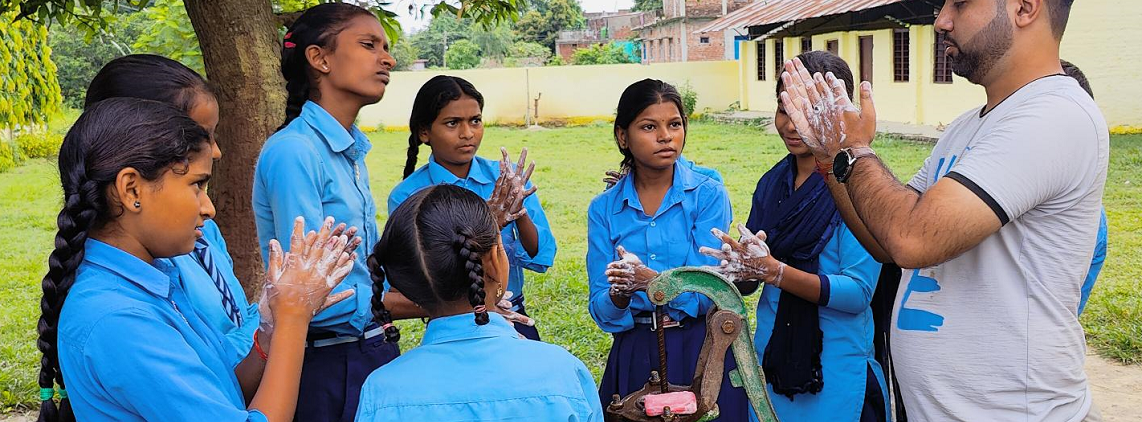
Additionally, action plans for regular maintenance were put in place by appointing and training a responsible team of people, including teachers, caretakers and office staff as well as students. Tool kits, cleaning materials and spare parts were handed out so the schools can take care of simple repairs themselves. Nearly 650 girls and community women took part in workshops on menstrual hygiene and learned how to make their own reusable sanitary pads.
We are delighted that our efforts have also been recognized by the local government and that 13 schools have now received a 3-star rating and nine schools a 2-star rating.
Rautahat is located in the lowlands, known as the Terai, in the south of Nepal, close to the Indian border. The district is one of the poorest in the entire country. There is an extremely low education rate, high levels of poverty and poor infrastructure. In contrast to northern Nepal, the area is very flat and dry. Traditional construction methods use clay as the main building material. This is a major problem, as the area is regularly flooded during the annual monsoon. Many already poor families living in mud huts thus regularly lose their homes. Due to the high level of poverty, there is hardly any sanitary infrastructure, very few households have their own toilets and there is still no awareness of general hygiene measures, such as hand washing, for the most part. As a result, diseases such as gastrointestinal infections spread time and again. Even if a school has a well, it is often not drilled deep enough and is contaminated with arsenic, which poses extreme health risks. Of the 69 schools in the district, only 5! have access to safe WASH facilities (clean drinking water, toilets and washbasins).
Women and girls are doubly affected by this lack of infrastructure. Without access to clean water and hygiene knowledge, dealing with menstruation is very difficult. Due to the lack of sanitary facilities in schools, many girls are unable to attend classes for several days every month. This is a major problem and reinforces the already existing educational discrimination against girls and women.
Of the 64 schools without WASH facilities, Chay Ya will select the 12 with the most devastating conditions and build or repair WASH facilities (separate toilets for girls and boys, hand washing stations, safe drinking water sources) and create awareness through workshops for children and teachers. Once implemented, the WASH facilities are expected to increase the enrolment rate.
The government is highly motivated and will take over the maintenance of the facilities after our withdrawal from the project. It is also contributing 41.2 % of the project costs.
Partners:

Photo Gallery